聊聊你的日常作息 Talking About Your Daily Routine

Talking About Your Daily Routine

A: So, what’s your typical day like?
B: Well, I usually get up at 7 a.m.
A: Me too! What do you do after that?
B: I take a shower, then I eat breakfast.
A: What time do you go to work?
B: Around 8:30. I start work at 9.
A: What about lunch?
B: I usually eat lunch at noon.
A: Do you work late?
B: Not really. I finish at 5.
A: What do you do in the evening?
B: I cook dinner, watch TV, and sometimes read a book.
A: Sounds relaxing!
B: Yeah, it’s a simple routine, but I like it.

Talking About Your Daily Routine

A: typical day?(那你平时一天都怎么过?)
B: get up — 7 a.m.(嗯,我一般早上七点起床。)
A: me too — after that?(我也是!起床后你都做什么?)
B: shower — breakfast(我先去洗澡,然后吃早餐。)
A: what time — work?(你什么时候上班?)
B: 8:30 — start at 9(大概八点半吧,九点开始上班。)
A: lunch?(那午饭呢?)
B: noon(我通常中午十二点吃午饭。)
A: work late?(你要加班吗?)
B: finish — 5(没怎么加班,我五点下班。)
A: evening?(晚上你都做些什么?)
B: dinner — TV — read(我做晚饭、看电视,有时候会读书。)
A: sounds relaxing!(听起来挺惬意的!)
B: simple — like it(是啊,虽然很简单,但我挺喜欢这样的生活。)

Talking About Your Daily Routine
/ˈtɔkɪŋ əˈbaʊt yər ˈdeɪli ruˈtin/
A: So, what’s your typical day like?
/səʊ | wʌts yər ˈtɪpɪkəl deɪ laɪk/
B: Well, I usually get up at 7 a.m.
/wɛl | aɪ ˈyuʒəli ˈɡɛt əp ət ˈsɛvən eɪˈɛm/
A: Me too! What do you do after that?
/mi tu | wʌt də yə du ˈæftər ðæt/
B: I take a shower, then I eat breakfast.
/aɪ teɪk ə ˈʃaʊər | ðɛn aɪ it ˈbrɛkfəst/
A: What time do you go to work?
/wʌt taɪm də yə ɡoʊ tə wərk/
B: Around 8:30. I start work at 9.
/əˈraʊnd eɪt ˈθərti | aɪ stɑrt wərk ət naɪn/
A: What about lunch?
/wʌt əˈbaʊt lʌntʃ/
B: I usually eat lunch at noon.
/aɪ ˈyuʒəli it lʌntʃ ət nun/
A: Do you work late?
/də yə wərk leɪt/
B: Not really. I finish at 5.
/nɑt ˈrɪəli | aɪ ˈfɪnɪʃ ət faɪv/
A: What do you do in the evening?
/wʌt də yjə du ɪn ði ˈivnɪŋ/
B: I cook dinner, watch TV, and sometimes read a book.
/aɪ kʊk ˈdɪnər | wɑʧ ˌtiˈvi | ən ˈsʌmtaɪmz rid ə bʊk/
A: Sounds relaxing!
/saʊndz rɪˈlæksɪŋ/
B: Yeah, it’s a simple routine, but I like it.
/yæ | ɪts ə ˈsɪmpəl ruˈtin | bət aɪ laɪk ɪt/

TALKing‿aBOUT‿your‿DAIly‿ROUtine

A: so,‿what’s‿your‿TYPical‿DAY‿LIKE?
B: well,‿i‿USually‿GET‿up‿at‿SEVen‿A.M.
A: me‿TOO!‿what‿do‿you‿DO‿after‿THAT?
B: i‿TAKE‿a‿SHOWer,‿then‿i‿EAT‿BREAKfast.
A: what‿TIME‿do‿you‿GO‿to‿WORK?
B: aROUND‿EIGHT–THIRty.‿i‿START‿WORK‿at‿NINE.
A: what‿aBOUT‿LUNCH?
B: i‿USually‿EAT‿LUNCH‿at‿NOON.
A: do‿you‿WORK‿LATE?
B: not‿REAlly.‿i‿FINish‿at‿FIVE.
A: what‿do‿you‿DO‿in‿the‿EVEning?
B: i‿COOK‿DINner,‿WATCH‿T.V.,‿and‿SOMEtimes‿READ‿a‿BOOK.
A: SOUNDS‿reLAXing!
B: YEAH,‿it’s‿a‿SIMple‿rouTINE,‿but‿i‿LIKE‿it.

What do you do after that?
/wət də ju du ˈæf.tər ðæt/
what‿do‿you‿DO after‿THAT?
I take a shower, then I eat breakfast.
/aɪ teɪk ə ˈʃaʊ.ər, ðɛn aɪ it ˈbrɛk.fəst/
i‿TAKE‿a‿SHOWer, then‿i‿EAT‿BREAKfast.
What time do you go to work?
/wət taɪm də ju goʊ tə wərk/
what‿TIME‿do‿you‿GO‿to‿WORK?
What do you do in the evening?
/wət də ju du ɪn ði ˈiv.nɪŋ/
what‿do‿you‿DO in‿the‿EVEning?
It’s a simple routine, but I like it.
/ɪts ə ˈsɪm.pəl ruˈtin, bəɾ aɪ laɪk ɪt/
it’s‿a‿SIMple‿rouTINE, but‿I‿LIKE‿it.

Talking About Your Daily Routine 聊聊你的日常作息

A: So, what’s your typical day like?
A: 那你平时一天都怎么过?
B: Well, I usually get up at 7 a.m.
B: 嗯,我一般早上七点起床。
A: Me too! What do you do after that?
A: 我也是!起床后你都做什么?
B: I take a shower, then I eat breakfast.
B: 我先去洗澡,然后吃早餐。
A: What time do you go to work?
A: 你什么时候上班?
B: Around 8:30. I start work at 9.
B: 大概八点半吧,九点开始上班。
A: What about lunch?
A: 那午饭呢?
B: I usually eat lunch at noon.
B: 我通常中午十二点吃午饭。
A: Do you work late?
A: 你要加班吗?
B: Not really. I finish at 5.
B: 没怎么加班,我五点下班。
A: What do you do in the evening?
A: 晚上你都做些什么?
B: I cook dinner, watch TV, and sometimes read a book.
B: 我做晚饭、看电视,有时候会读书。
A: Sounds relaxing!
A: 听起来挺惬意的!
B: Yeah, it’s a simple routine, but I like it.
B: 是啊,虽然很简单,但我挺喜欢这样的生活。

typical day / daily routine 日常生活
/ˈtɪpɪkəl deɪ | ˈdeɪli roʊˈtin/
What’s your typical day like? 你平常一天都怎么过?
/wəts yər ˈtɪpɪkəl deɪ laɪk/

get up / wake up 起床 / 醒来
/ˈɡɛt̬əp | weɪk əp/
I usually get up at 7. 我通常七点起床。
/aɪ ˈyuʒəli ˈɡɛt̬ əp ət ˈsɛvən/

take a shower 洗澡
/ˈteɪk ə ˈʃaʊər/
I take a shower every morning. 我每天早上都会洗澡。
/aɪ ˈteɪk ə ˈʃaʊər ˈɛvri ˈmɔrnɪŋ/

eat breakfast / eat lunch / eat dinner 吃早餐 / 吃午餐 / 吃晚餐
/it ˈbrɛkfəst | it lʌnʧ | it ˈdɪnər/
I eat lunch at noon. 我中午吃午餐。
/aɪ it lʌnʧ ət nun/

go to work / go to school 上班 / 上学
/ɡoʊ tə wərk | ɡoʊ tə skul/
I go to work at 8:30. 我八点半上班。
/aɪ ɡoʊ tə wərk ət ˈeɪt ˈθɜrti/

finish work / get off work 下班
/ˈfɪnɪʃ wərk | ˈɡɛt̬ ɔf wərk/
I finish work at 5 p.m. 我下午五点下班。
/aɪ ˈfɪnɪʃ wərk ət ˈfaɪv ˌpiˈɛm/

watch TV / read a book 看电视 / 看书
/wɑʧ ˌtiˈvi | rit̬ ə bʊk/
I watch TV in the evening. 我晚上会看电视。
/aɪ wɑʧ ˌtiˈvi ɪn ði ˈivnɪŋ/

simple routine 简单作息
/ˈsɪmpəl roʊˈtin/
It’s a simple routine, but I like it. 作息很简单,但我挺喜欢的。
/ɪts ə ˈsɪmpəl roʊˈtin bət aɪ laɪk ɪt/

1. I usually get up at …. 我通常……起床。
• I usually get up at 8 a.m. 我通常早上八点起床。

2. I before / after …. 我……前/后……。
• I brush my teeth before breakfast. 我在早餐前刷牙。
• I go to work after breakfast. 我吃完早餐后去上班。

3. I go toat …. 我……去……。
• I go to work at 8:30. 我八点半去上班。

4. In the evening, I like to …. 晚上我喜欢……。
• In the evening, I like to watch TV. 晚上我喜欢看电视。

5. On weekends, I usually …. 周末我通常会……。
• On weekends, I usually go shopping. 周末我通常会去逛街。

A. 改写练习:

把原来的对话句子改写,重新编写新的对话。
可以保留对话的大致主题或情境,但要用不同的句子表达相似的意思。
可以改变人名、时间、地点、活动等细节。

例如:

原句:
A: What time do you usually get up?
B: I usually get up at 7.

改写后:
A: When do you normally wake up?
B: I wake up around 6:30 on weekdays.

原句变式表达
I get up at 7.I wake up early on weekdays.
I watch TV at night.I play games after dinner.
I go to work at 9.I start class at 8:30.
I eat lunch at noon.I eat lunch with my coworkers.
I go to bed at 11.I sleep around midnight.

B. 表达练习

用“5句话”介绍自己的日常生活,例如:
I usually wake up at 6:30. I take a shower and have breakfast. I go to school at 8. In the afternoon, I do my homework. At night, I relax and watch TV.
油管收藏 1

日本簡直瘋了!這個「低慾望國家」 突然引爆7.8萬億美元日本債市,連美債都要看它臉色 ,成了全球最大風險源!這背後到底發生了什麼事?

日本瘋了?日本金融大骗局被揭秘!全世界的錢都要被它掏空?巴菲特竟押錯寶,有人一夜暴富,有人被割到破產!

中国国运到底有多猛?特朗普再挑衅,中国却迎来拐点!这50年翻盘太疯狂!

中文歌曲2

父亲

父亲写的散文诗

走着走着就散了

说散就散

毕竟深爱过

往后余生

五十年以后

你的万水千山

平凡之路

蓝莲花

那些年

西海情歌

爱过的你

撤退

我走后

你怎么舍得我难过

你不是陪我到最后的人

Make sure to call your mom.

准时到达arrive on time
小心点 / 注意安全be careful
准时 / 别迟到be on time
带上你的作业bring your homework
给你妈妈打电话call your mom
给手机充电charge your phone
喂狗feed the dog
把门锁好lock the door
好好休息rest well
设置闹钟set an alarm
为考试复习study for the test
吃药take your medicine
把灯关掉turn off the lights
穿上外套wear a jacket

Make sure to do something.

• 这种句型在口语中非常常用,语气自然、亲切、又带有轻微的提醒意味。它用于提醒别人一定要做某件事。
• “Make sure” 的字面含义是“确保”,但在这句型中一般翻译或理解为
记得……
别忘了……
一定要……
务必……
等更为自然地道。


例句①
Make sure to call your mom.
记得给你妈妈打电话。

例句②
Make sure to be on time.
一定要准时。

★ 想象中文句子的情景或语境,然后直接用英语表达,如例句a和b。

a. 记得给你妈妈打电话。→ Make sure to call your mom.
b. 一定要准时。→ Make sure to be on time.
1. 记得设个闹钟。
2. 一定要好好休息。
3. 记得给手机充电。
4. 别忘了关灯。
5. 记得吃药。
6. 把门锁好。
7. 记得喂狗。
8. 记得穿外套。
9. 务必要准时到。
10. 记得复习考试。
11. 带上你的作业。
12. 要小心点。

a. 记得给你妈妈打电话。 → Make sure to call your mom.
b. 一定要准时。 → Make sure to be on time.
1. 记得设个闹钟。 → Make sure to set an alarm.
2. 好好休息。 → Make sure to rest well.
3. 记得给手机充电。 → Make sure to charge your phone.
4. 别忘了关灯。 → Make sure to turn off the lights.
5. 记得吃药。 → Make sure to take your medicine.
6. 把门锁好。 → Make sure to lock the door.
7. 记得喂狗。 → Make sure to feed the dog.
8. 记得穿外套。 → Make sure to wear a jacket.
9. 务必要准时到。 → Make sure to arrive on time.
10. 记得复习考试。 → Make sure to study for the test.
11. 带上你的作业。 → Make sure to bring your homework.
12. 要小心点。 → Make sure to be careful.

Make sure you call your dad.

带上你的护照bring your passport
带上雨伞bring your umbrella
给你爸爸打电话call your dad
查一下你的邮件check your email
多喝水drink enough water
认真听listen carefully
把车锁好lock the car
看一下说明read the instructions
告诉她实话tell her the truth
把电视关掉turn off the TV
洗手wash your hands
给植物浇水water the plants
戴好口罩wear a mask
系好安全带wear your seatbelt

Make sure you do something.

• “Make sure” 的字面含义是“确保”,但在这句型中一般翻译或理解为
记得……
别忘了……
一定要……
务必……
等更为自然地道。


例句①
Make sure you call your dad.
记得给你爸爸打电话。

例句②
Make sure you drink enough water.
别忘了多喝水。

★ 想象中文句子的情景或语境,然后直接用英语表达,如例句a和b。

a. 记得给你爸爸打电话。 → Make sure you call your dad.
b. 别忘了多喝水。 → Make sure you drink enough water.
1. 记得系好安全带。
2. 记得查收邮件。
3. 记得带上雨伞。
4. 别忘了关电视。
5. 记得告诉她实话。
6. 记得带上护照。
7. 记得看说明书。
8. 别忘了给植物浇水。
9. 记得戴口罩。
10. 要认真听。
11. 记得把车锁好。
12. 记得洗手。

a. 记得给你爸爸打电话。 → Make sure you call your dad.
b. 别忘了多喝水。 → Make sure you drink enough water.
1. 记得系好安全带。 → Make sure you wear your seatbelt.
2. 记得查收邮件。 → Make sure you check your email.
3. 别忘了带上雨伞。 → Make sure you bring your umbrella.
4. 别忘了关电视。 → Make sure you turn off the TV.
5. 一定要告诉她实话。 → Make sure you tell her the truth.
6. 记得带上护照。 → Make sure you bring your passport.
7. 一定要看说明书。 → Make sure you read the instructions.
8. 别忘了给植物浇水。 → Make sure you water the plants.
9. 记得戴口罩。 → Make sure you wear a mask.
10. 要认真听。 → Make sure you listen carefully.
11. 记得把车锁好。 → Make sure you lock the car.
12. 记得洗手。 → Make sure you wash your hands.

4060 Snow Cones

Snow Cones

It was the last day of the summer day camp. It was a hot day—almost 100 degrees. The counselors needed a way to cool off the kids. After a short discussion, they decided to give out snow cones. The snow cones were made of ice and syrup. There were different flavors—strawberry, blueberry, and raspberry. Some kids got one flavor. Some kids mixed them together.

All the kids loved the snow cones. It was a fun day. Everyone enjoyed their treat. Snow cones were a success. After the kids had their snow cones, they went to the playground. The snow cones helped cool them off.

Snow Cones
刨冰

It was the last day of the summer day camp.
这是夏令营的最后一天。

It was a hot day—almost 100 degrees.
天气很热——差不多华氏100度(约37.8℃)。

The counselors needed a way to cool off the kids.
辅导员们需要想个办法让孩子们降温。

After a short discussion, they decided to give out snow cones.
简单商量后,他们决定发刨冰给孩子们。

The snow cones were made of ice and syrup.
刨冰是用冰和糖浆做的。

There were different flavors—strawberry, blueberry, and raspberry.
有不同的口味——草莓、蓝莓和覆盆子。

Some kids got one flavor.
有些孩子只选了一种口味。

Some kids mixed them together.
有些孩子把几种口味混在一起吃。

All the kids loved the snow cones.
所有的孩子都喜欢刨冰。

It was a fun day.
这是一天充满乐趣的日子。

Everyone enjoyed their treat.
每个人都很享受这份小点心。

Snow cones were a success.
刨冰大受欢迎。

After the kids had their snow cones, they went to the playground.
孩子们吃完刨冰后就去了游乐场。

The snow cones helped cool them off.
刨冰帮他们凉快了下来。

1. Why did the counselors decide to give the kids snow cones?
(辅导员为什么决定发刨冰给孩子们?)

2. What were the snow cones made of?
(刨冰是由什么做成的?)

3. What flavors were available?
(有哪些口味可选?)

参考答案:

答案 1

They decided to give the kids snow cones because it was a hot day and they needed a way to cool off the kids. (他们决定发刨冰给孩子们因为天气很热,他们需要一个方法帮孩子们降温。)

答案 2

They were made of ice and syrup. (它们是用冰和糖浆做成的。)

答案 3

Strawberry, blueberry, and raspberry were available. (有草莓、蓝莓和覆盆子味可选。)

Come to think of it, I saw him yesterday.

没有邀请约翰参加聚会didn’t invite John to the party
没有锁门didn’t lock the door
忘了买牛奶forgot to buy milk
忘了寄邮件forgot to send the mail
以前去过那里have been there before
以前见过have met before
几个星期没见到她了haven’t seen her in weeks
把钱包落在家里了left my wallet at home
从没给我回电话never called me back
昨天见过他saw him yesterday
在网上看到那个广告了saw that ad online
表现得很奇怪was acting strange
他也在聚会上was at the party too
昨天也迟到了was late yesterday too

Come to think of it, ….
这个表达就像中文说的:“现在想起来”,“仔细一想”,“突然想起来”,“说起来”,“对了”……等等;是英语口语中常见的表达,带有一种“突然回想起来”或“刚意识到”的语气。它常常表示说话人在谈话过程中回忆起某件事或改变了看法。

例句①
Come to think of it, I saw him yesterday.
现在想起来,我昨天确实见过他。

例句②
Come to think of it, she was at the party too.
说起来,她当时也在聚会上。

★ 想象中文句子的情景或语境,然后直接用英语表达,如例句a和b。

a. 现在想起来,我昨天确实见过他。→ Come to think of it, I saw him yesterday.
b. 说起来,她当时也在聚会上。→ Come to think of it, she was at the party too.
1. 现在想起来,他根本没回我电话。→
2. 仔细一想,我确实在网上看到过那个广告。→
3. 现在想起来,我们以前好像见过面。→
4. 突然想起来,我忘了发那封邮件。→
5. 说起来,我好几个星期没见到她了。→
6. 现在想起来,我们好像忘了买牛奶。→
7. 仔细一想,他当时确实表现得有点奇怪。→
8. 突然想起来,我们好像没锁门。→
9. 仔细一想,我以前去过那里。→
10. 突然想起来,我钱包忘在家了。→
11. 现在想起来,我们好像没邀请约翰来参加聚会。→
12. 对了,他昨天也迟到了。→

a. 现在想起来,我昨天确实见过他。→ Come to think of it, I saw him yesterday.
b. 说起来,她当时也在聚会上。→ Come to think of it, she was at the party too.
1. 现在想起来,他根本没回我电话。→ Come to think of it, he never called me back.
2. 仔细一想,我确实在网上看到过那个广告。→ Come to think of it, I saw that ad online.
3. 现在想起来,我们以前好像见过面。→ Come to think of it, we have met before.
4. 突然想起来,我忘了发那封邮件。→ Come to think of it, I forgot to send the email.
5. 说起来,我好几个星期没见到她了。→ Come to think of it, I haven’t seen her in weeks.
6. 现在想起来,我们好像忘了买牛奶。→ Come to think of it, we forgot to buy milk.
7. 仔细一想,他当时确实表现得有点奇怪。→ Come to think of it, he was acting strange.
8. 突然想起来,我们好像没锁门。→ Come to think of it, we didn’t lock the door.
9. 仔细一想,我以前去过那里。→ Come to think of it, I’ve been there before.
10. 突然想起来,我钱包忘在家了。→ Come to think of it, I left my wallet at home.
11. 现在想起来,我们好像没邀请约翰来参加聚会。→ Come to think of it, we didn’t invite John to the party.
12. 对了,他昨天也迟到了。→ Come to think of it, he was late yesterday too.

4059 Sold-out Tickets

Sold-out Tickets

Kathleen wanted to see her favorite band. They were performing in her city. The concert was in a couple of months. The tickets had gone on sale online an hour earlier. She had been asleep when the tickets went on sale. When she woke up, the tickets were all sold out. Kathleen was sad that she could not see her favorite band.

She sat in her bed, listening to their latest album. She was mad at herself for falling asleep. Later on, her friend came over. Her friend told her that she had bought tickets for her. Kathleen was super happy and hugged her friend. She was excited to go to the concert with her friend.

Sold-out Tickets
售罄的门票

Kathleen wanted to see her favorite band.
凯瑟琳想去看她最喜欢的乐队。

They were performing in her city.
他们要在她所在的城市演出。

The concert was in a couple of months.
演唱会是在几个月后。

The tickets had gone on sale online an hour earlier.
门票在一小时前已经开始在线出售了。

She had been asleep when the tickets went on sale.
售票开始时她还在睡觉。

When she woke up, the tickets were all sold out.
当她醒来时,门票已经全部售罄。

Kathleen was sad that she could not see her favorite band.
凯瑟琳因为不能去看她最喜欢的乐队而感到难过。

She sat in her bed, listening to their latest album.
她坐在床上,听着他们的最新专辑。

She was mad at herself for falling asleep.
她因为自己睡着了而生自己的气。

Later on, her friend came over.
后来,她的朋友来了。

Her friend told her that she had bought tickets for her.
她的朋友告诉她,已经帮她买了票。

Kathleen was super happy and hugged her friend.
凯瑟琳非常开心,抱住了她的朋友。

She was excited to go to the concert with her friend.
她很期待和朋友一起去看演唱会。

1. When was the concert going to happen?

2. Why didn’t Kathleen get the ticket?

3. Why was Kathleen super happy?

参考答案:

答案 1

It was going to happen in a couple of months.

答案 2

She didn’t get the ticket because she was asleep when the tickets went on sale, and they were sold out when she woke up.

答案 3

She was super happy because her friend bought tickets for her.

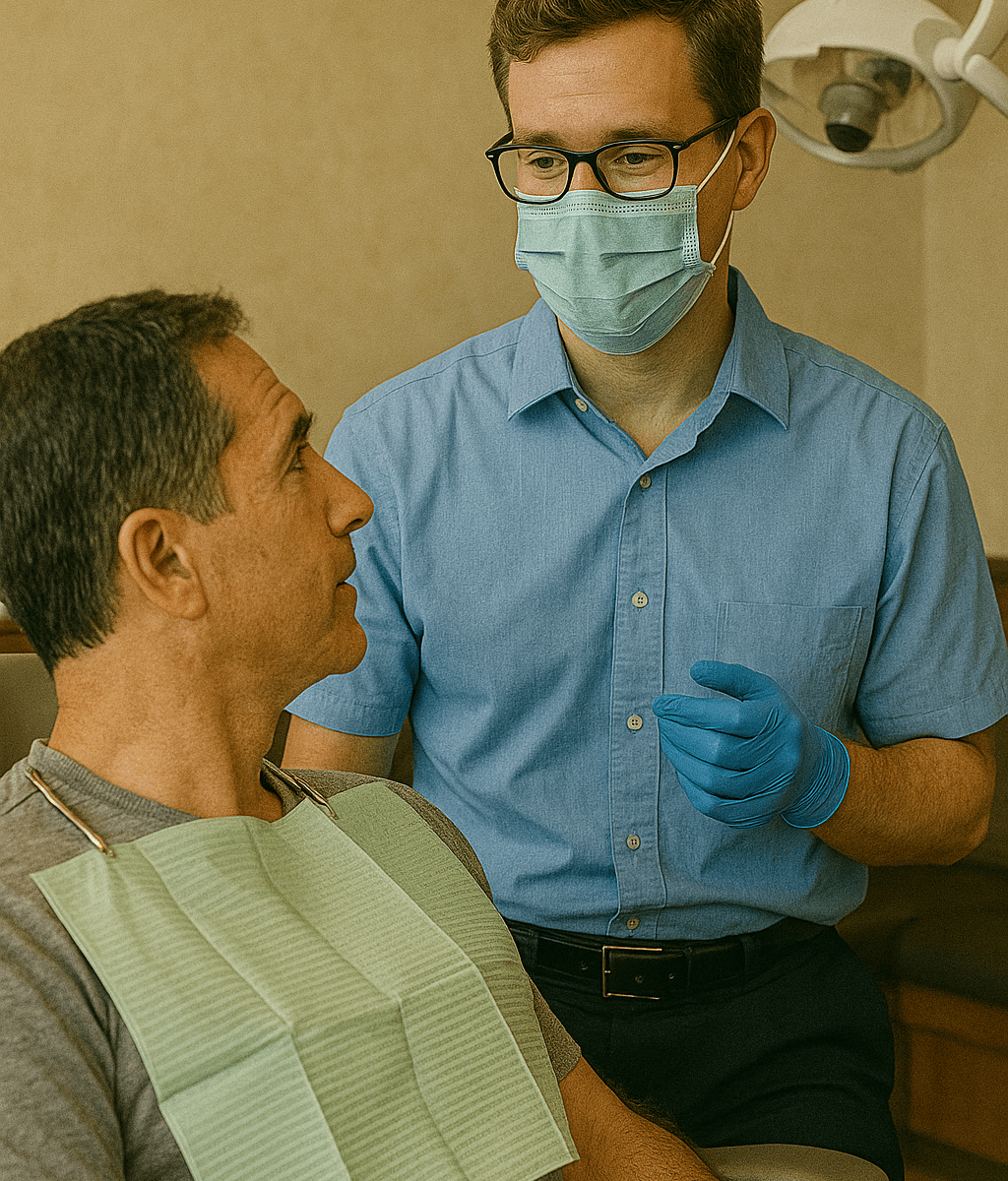
At the Dentist’s 在牙科诊所

At the Dentist’s

A patient is visiting the dentist because of a toothache. The dentist checks the tooth and says a filling is needed.


Dentist: Hi there! What brings you in today?
Patient: Hi, I have a toothache. It’s been hurting for a few days.
Dentist: I see. Let’s take a look.
Patient: Okay.
Dentist: Hmm… you have a small cavity. We need to do a filling.
Patient: Oh, really? Will it hurt?
Dentist: Not much. I’ll numb the area first.
Patient: Alright. How long will it take?
Dentist: Just about 20 minutes.
Patient: Okay, let’s do it.
Dentist: Great. Just sit back and relax.

At the Dentist’s
/ət ðə ˈdɛn(t)ɪsts/
在牙医诊所

A patient is visiting the dentist because of a toothache. The dentist checks the tooth and says a filling is needed.
/ə ˈpeɪʃnt z ˈvɪzɪtɪŋ ðə ˈdɛn(t)ɪsts bəˈkəz əv ə ˈtuθˌeɪk | ðə ˈdɛn(t)ɪst ʧɛks ðə tuθ ən sɛz ə ˈfɪlɪŋ z ˈnidɪd/
一位病人因为牙痛来看牙医。牙医检查后说需要补牙。

Dentist: Hi there! What brings you in today?
/ˈhaɪ ðer | wʌt brɪŋz jə ɪn təˈdeɪ/
你好!你今天是因为什么来看牙的?

Patient: Hi, I have a toothache. It’s been hurting for a few days.
/haɪ | aɪ hæv ə ˈtuθˌeɪk | ɪts bɪn ˈhərɾɪŋ fər ə fju deɪz/
你好,我牙疼,已经疼了好几天了。

Dentist: I see. Let’s take a look.
/aɪ si | lɛts teɪk ə lʊk/
我看看。我们来检查一下。

Patient: Okay.
/oʊˈkeɪ/
好的。

Dentist: Hmm… you have a small cavity. We need to do a filling.
/hm… jə hæv ə smɔl ˈkævəɾi | wi nidə du ə ˈfɪlɪŋ/
嗯……你这有个小蛀牙,需要补一下。

Patient: Oh, really? Will it hurt?
/oʊ ˈrɪli | wɪl ɪt hərt/
啊,真的吗?会疼吗?

Dentist: Not much. I’ll numb the area first.
/nɑt mʌʧ | aɪl nʌm ði ˈɛriə fərst/
不太疼。我会先给你打麻药。

Patient: Alright. How long will it take?
/ɔlˈraɪt | haʊ lɔŋ wɪl ɪt teɪk/
好吧。需要多长时间?

Dentist: Just about 20 minutes.
/dʒəst əˈbaʊt ˈtwɛni ˈmɪnɪts/
大约二十分钟。

Patient: Okay, let’s do it.
/oʊˈkeɪ | lɛts du ɪt/
好,开始吧。

Dentist: Great. Just sit back and relax.
/ɡreɪt | dʒəst sɪt bæk ən r

Ordering Steak at a Restaurant 在餐馆点牛排

Ordering Steak at a Restaurant

A husband and his wife are dining at a restaurant. The husband is ordering a steak from the waiter.

Waiter: Hi folks! Are you ready to order?
Husband: Yeah, I think so. I’ll have the steak, please.
Waiter: Sure! How would you like it cooked?
Husband: Medium, please.
Waiter: Alright. Would you like fries or mashed potatoes with that?
Husband: Mashed potatoes, please.
Waiter: Got it. And for your drink?
Husband: Just water, thanks.
Waiter: No problem. I’ll put that in for you.
Husband: Great, thanks.
Waiter: You’re welcome! I’ll be back with your order soon.

Ordering Steak at a Restaurant
/ˈɔrdərɪŋ steɪk ət ə ˈrɛst(ə)ˌrɑnt/
在餐馆点牛排


A husband and his wife are dining at a restaurant. The husband is ordering a steak from the waiter.
/ə ˈhʌzbənd ən ɪz waɪf ər ˈdaɪnɪŋ ət ə ˈrɛst(ə)ˌrɑnt | ðə ˈhʌzbənd z ˈɔrdərɪŋ ə steɪk frəm ðə ˈweɪtər/
一对夫妻正在餐厅用餐,丈夫正在向服务员点一份牛排。


Waiter: Hi folks! Are you ready to order?
/haɪ foʊks | ər jə ˈrɛdi tə ˈɔrdər/
大家好!你们准备好点餐了吗?

Husband: Yeah, I think so. I’ll have the steak, please.
/jæ | aɪ θɪŋk soʊ | aɪl hæv ðə steɪk pliz/
嗯,我想好了。我要一份牛排,谢谢。

Waiter: Sure! How would you like it cooked?
/ʃʊr | haʊ wʊdʒəlaɪk ɪt kʊkt/
好的!你想要几分熟?

Husband: Medium, please.
/ˈmidiəm pliz/
五分熟,谢谢。

Waiter: Alright. Would you like fries or mashed potatoes with that?
/ɔlˈraɪt | wʊdʒə laɪk fraɪz ər mæʃt pəˈteɪɾoʊz wɪð ðæt/
好的。你想要薯条还是土豆泥配着吃?

Husband: Mashed potatoes, please.
/mæʃt pəˈteɪɾoʊz pliz/
土豆泥,谢谢。

Waiter: Got it. And for your drink?
/ˈɡɑɾ ɪt | ən fər jər drɪŋk/
好的。饮料要点什么?

Husband: Just water, thanks.
/dʒəst ˈwɑtər θæŋks/
只要水,谢谢。

Waiter: No problem. I’ll put that in for you.
/noʊ ˈprɑbləm | aɪl pʊt ðæt ɪn fər ju/
没问题,我帮你下单。

Husband: Great, thanks.
/ɡreɪt θæŋks/
太好了,谢谢。

Waiter: You’re welcome! I’ll be back with your order soon.
/jər ˈwɛlkəm | aɪl bi ˈbæk wɪð jər ˈɔrdər sun/
不客气!我很快就把你的餐送来。

How would you like it cooked?“:这是问牛排几分熟的自然说法。

Medium“:五分熟。常见回答还有 rare(三分)、medium rare(四分)、well done(全熟)。

Fries or mashed potatoes?“:常见配菜选择,服务员不会问得太长。

I’ll put that in for you.“:服务生常用表达,意思是“我帮你下单”。


Hi folks 是一种轻松友好的打招呼方式,可以翻译成:
大家好
各位好
你们好

其中,folks 是 “people”(人们)的口语形式,比 “Hi everyone” 更随意亲切。
“Hi folks.” 是美式英语中在非正式、多人数打招呼时常见的自然表达,尤其适用于餐厅、课堂或广播开场。但不太适合一对一对话或特别正式的场合。