
短语
做什么
do the housework /du ðə ˈhaʊsˌwərk/ 做家务;
go to school /ɡoʊ tə ˈskul/ 去上学;
go to the gym /ɡoʊ tə ðə ˈdʒɪm/ 去健身房;
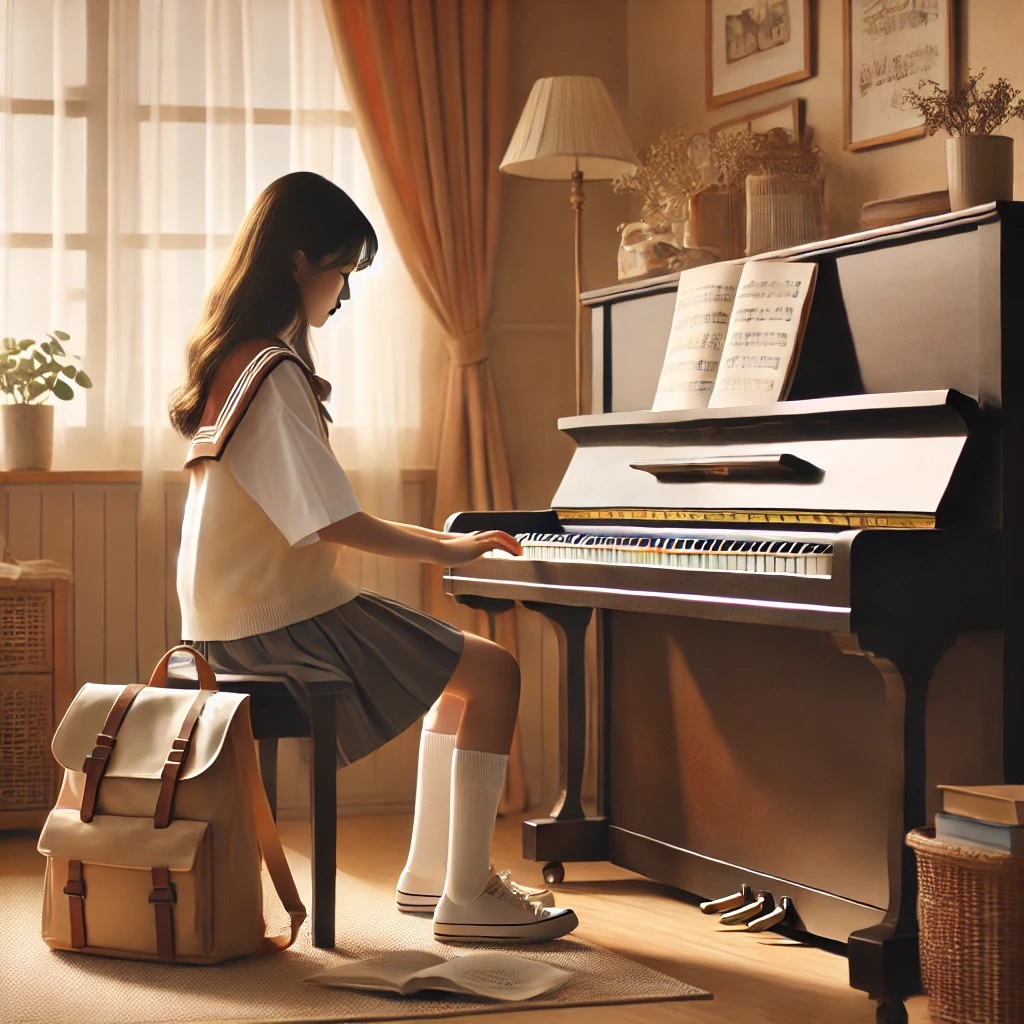
practice the piano /ˈpræktɪs ðə piˈænoʊ/ 练钢琴;
read a book /rid ə ˈbʊk/ 看书;
take a shower /teɪk ə ˈʃaʊər/ 洗澡
什么时候
after breakfast /ˈæftər ˈbrɛkfəst/ 早餐后;
after lunch /ˈæftər ˈlʌntʃ/ 午餐后;
after school /ˈæftər ˈskul/ 放学后;
after work /ˈæftər ˈwərk/ 下班后;
before bed /bɪˈfɔr ˈbɛd/ 睡觉前;
before dinner /bɪˈfɔr ˈdɪnər/ 晚餐前
单词
go /ɡoʊ/ 去;school /ˈskul/ 学校;after /ˈæftər/ 在……之后;breakfast /ˈbrɛkfəst/ 早餐;read /rid/ 读;book /ˈbʊk/ 书;before /bɪˈfɔr/ 在……之前;bed /ˈbɛd/ 床;do /du/ 做;housework /ˈhaʊsˌwərk/ 家务;lunch /ˈlʌntʃ/ 午餐;practice /ˈpræktɪs/ 练习;piano /piˈænoʊ/ 钢琴;take /teɪk/ 洗;shower /ˈʃaʊər/ 淋浴;dinner /ˈdɪnər/ 晚餐;gym /ˈdʒɪm/ 健身房;work /ˈwərk/ 工作
句式
英语思维:
谁 • 做什么 • 什么时候
She • practices the piano • after school.
汉语表达通常将“什么时候”放在动词前,说明动作发生的时间;英语是先说明“谁做什么”,再补充说“什么时候”。
汉语思维:
谁(在哪里)做什么 → 她(放学后)练钢琴。
英语思维:
谁做什么(在哪里)→ She practices the piano (after school).
时态
She practices the piano after school.
这是现在一般时的句子;描述的是习惯或反复发生的动作。
谓语动词 practices 描述了她放学后练钢琴的习惯。
动词形式:主语(句子的“谁”)是 he/she/it 时,动词需要加 -s 或 -es:
she does;she goes;she practices;she reads;she takes。
看图
她早餐后去上学。

She goes to school after breakfast. /ʃi ɡoʊz tə ˈskul ˈæftər ˈbrɛkfəst/
她睡觉前看书。

She reads a book before bed. /ʃi ridz ə ˈbʊk bɪˈfɔr ˈbɛd/
她午餐后做家务。
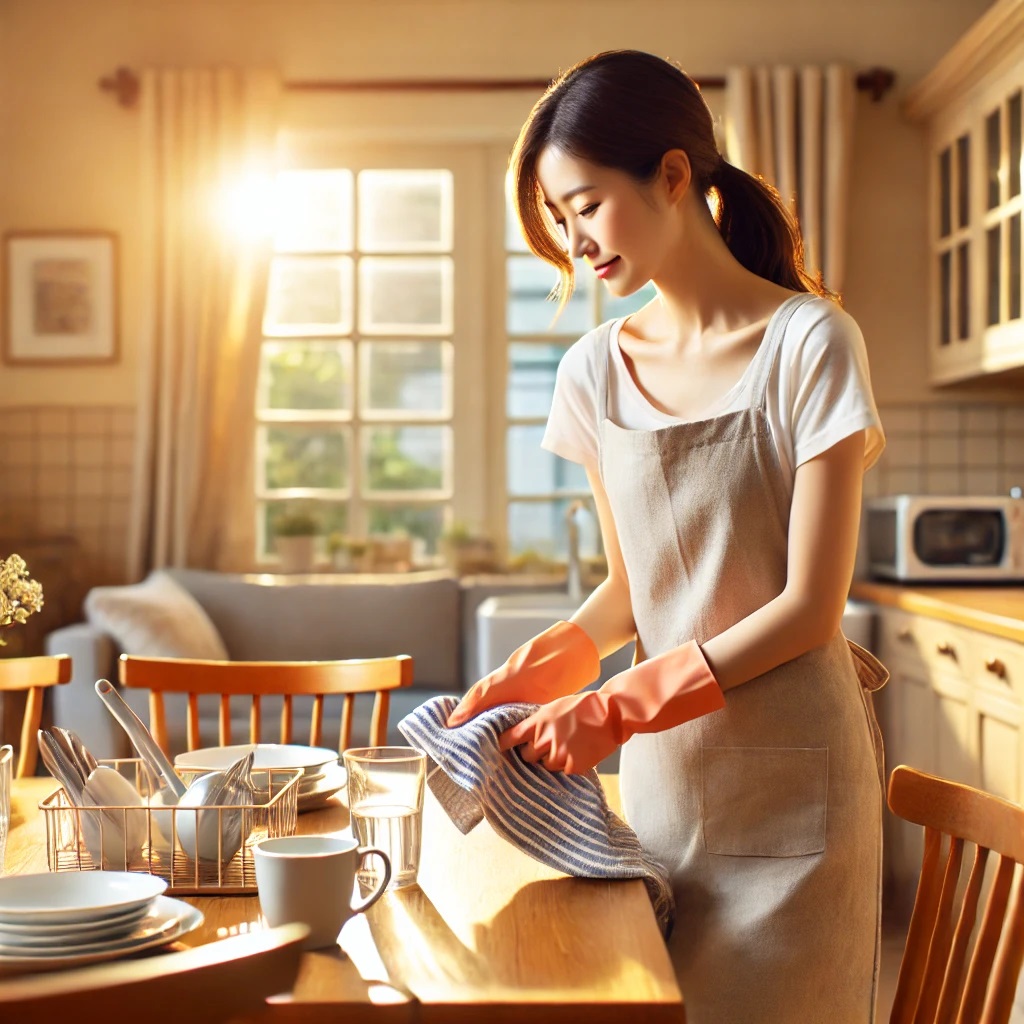
She does the housework after lunch. /ʃi dʌz ðə ˈhaʊsˌwərk ˈæftər ˈlʌntʃ/
她放学后练钢琴。
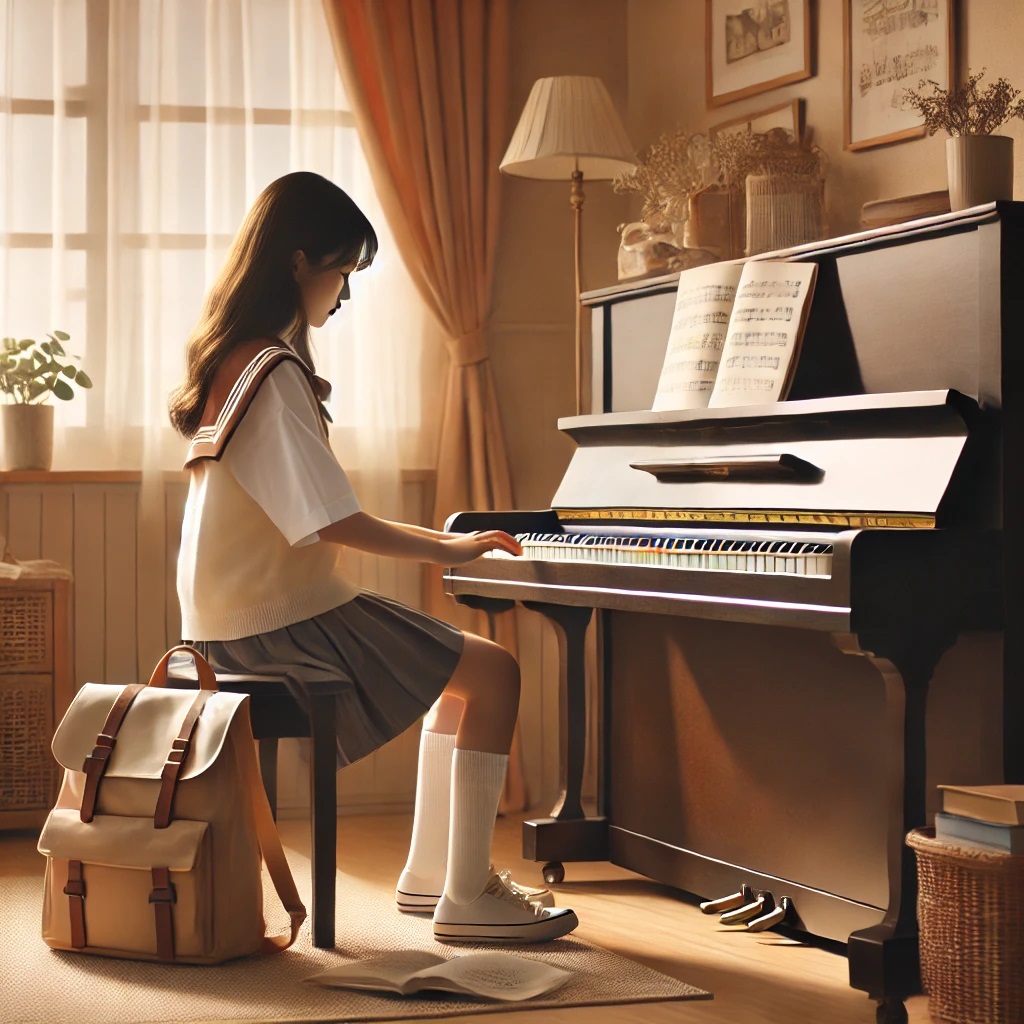
She practices the piano after school. /ʃi ˈpræktɪsəz ðə piˈænoʊ ˈæftər ˈskul/
她晚餐前洗澡。

She takes a shower before dinner. /ʃi teɪks ə ˈʃaʊər bɪˈfɔr ˈdɪnər/
她下班后去健身房。
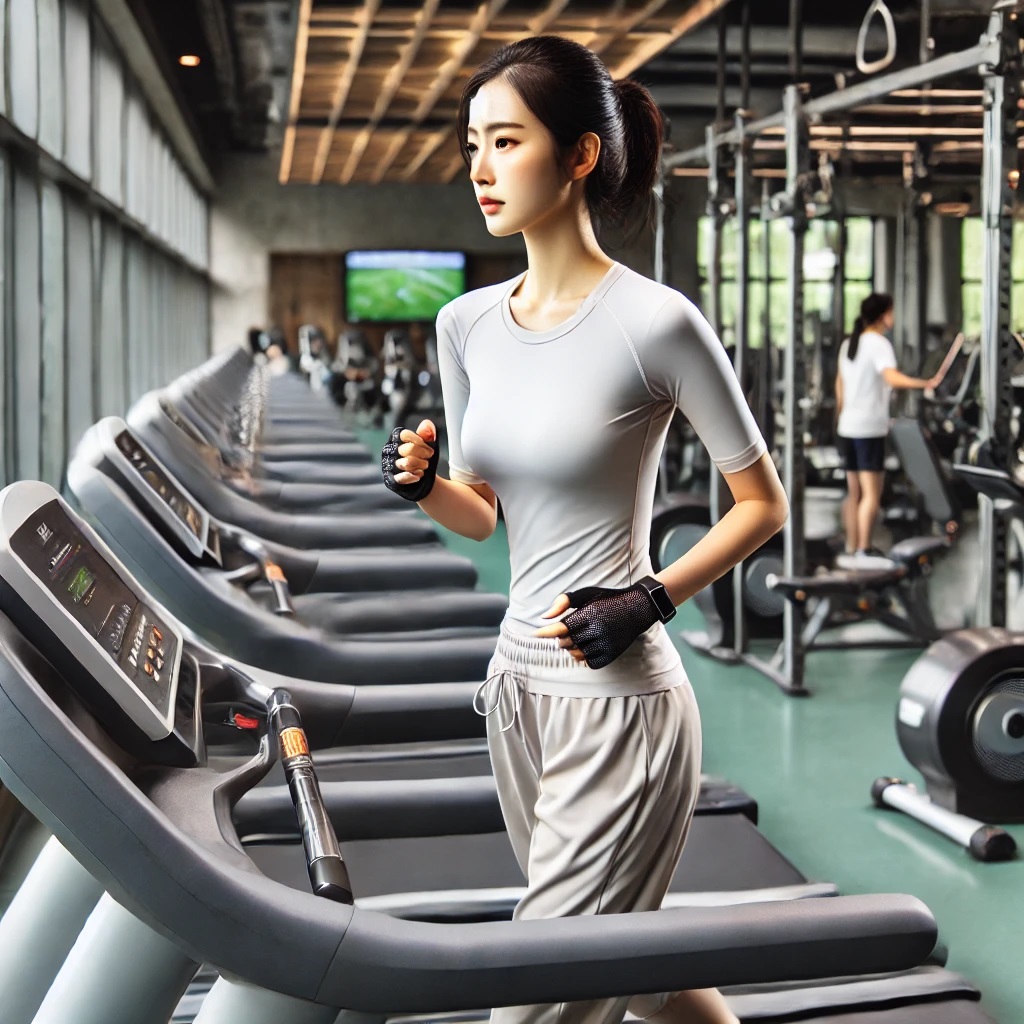
She goes to the gym after work. /ʃi ɡoʊz tə ðə ˈdʒɪm ˈæftər ˈwərk/
 英语口语陪练