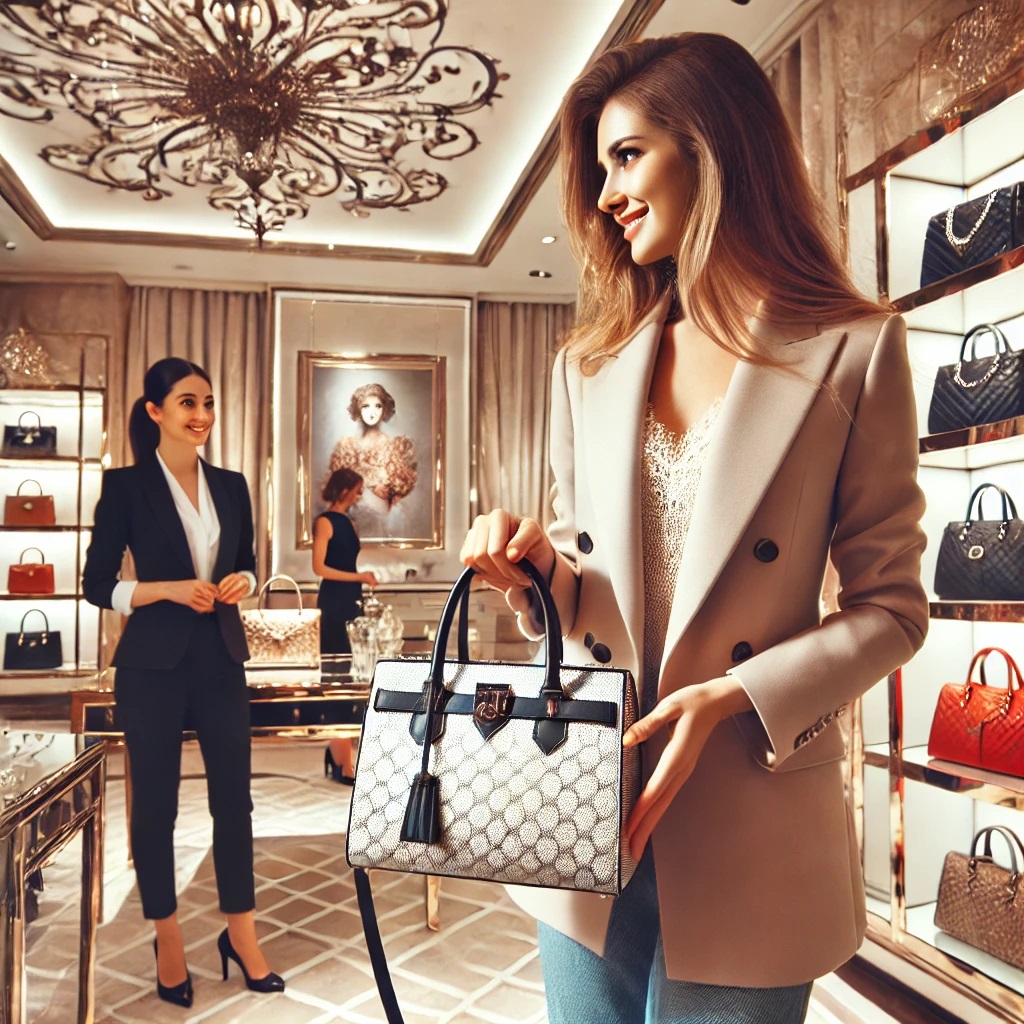
购物④

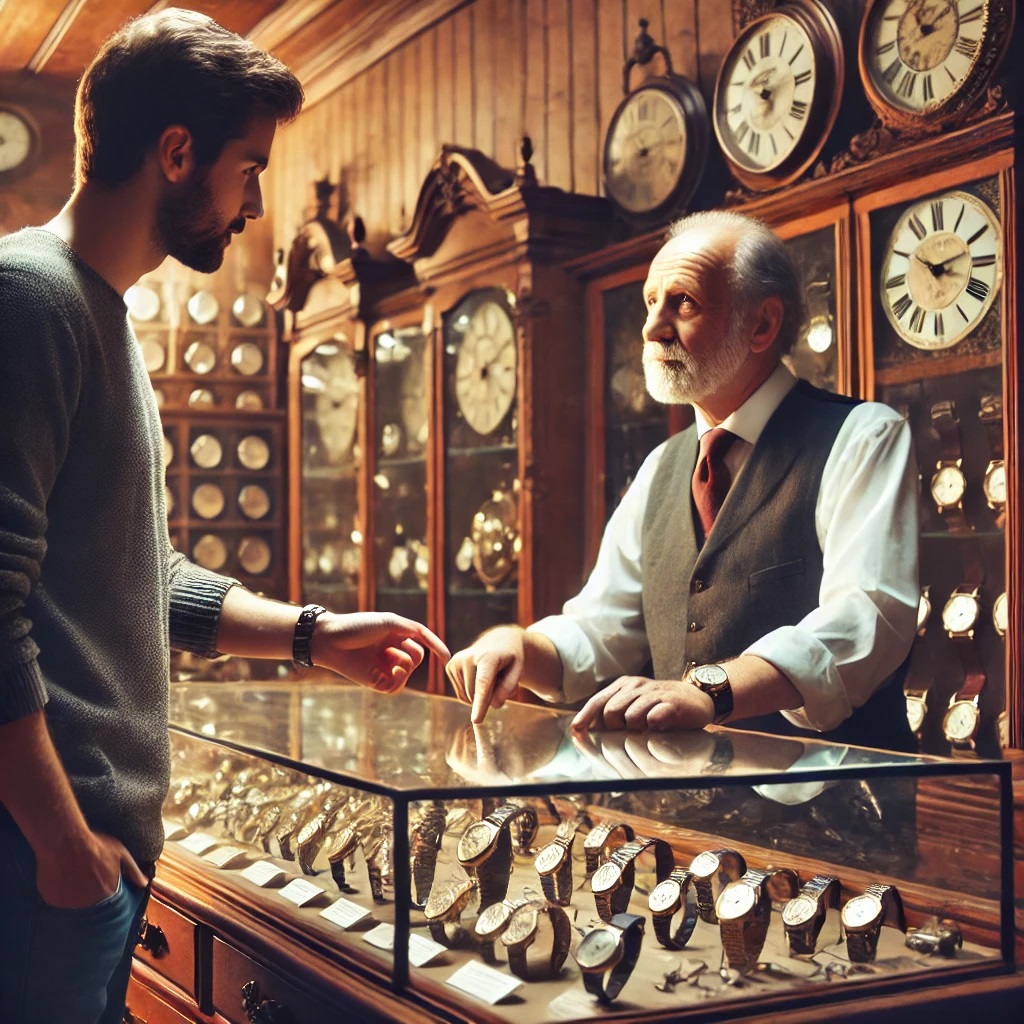
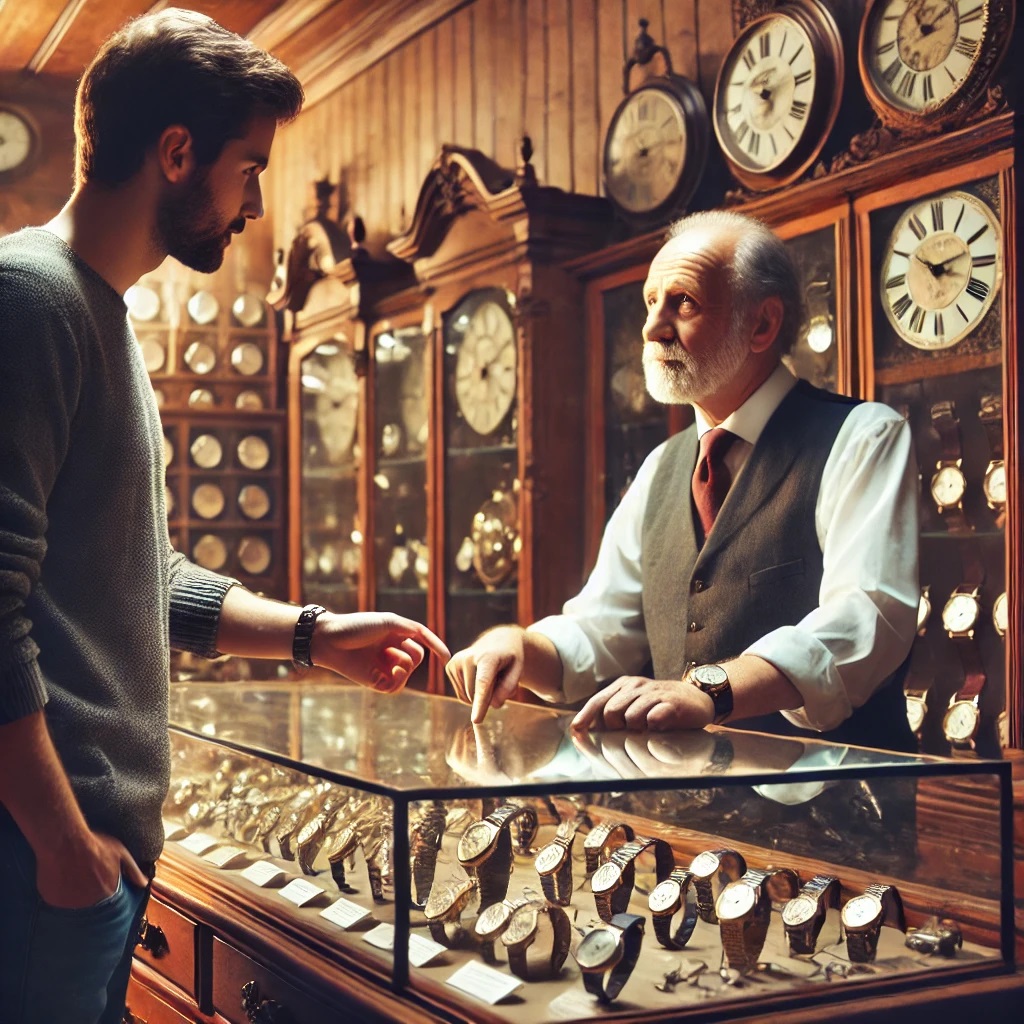
试用或了解商品


句子

Can I try this on? /kən aɪ traɪ ðɪs ɑn/ 我可以试穿这个吗?

Does this come in other colors? /dʌz ðɪs kʌm ɪn ˈʌðɚ ˈkʌlərz / 这个有其他颜色吗?
Does this come in other sizes? /dʌz ðɪs kʌm ɪn ˈʌðɚ ˈsaɪzɪz/ 这个有其他尺码吗?

What’s the return policy? /wʌts ðə rɪˈtɜrn ˈpɑləsi/ 退货政策是什么?

Is there a warranty for this product? /ɪz ðɛr ə ˈwɔrənti fɔr ðɪs ˈprɑdʌkt/ 这个商品有保修吗?价格是多少?


词汇

try /traɪ/ 尝试;try this on /traɪ ðɪs ɔn/ 试穿这个;come in /kʌm ɪn/ 有……(尺寸、颜色等);other /ˈʌðər/ 其他的;colors /ˈkʌlərz/ 颜色;sizes /ˈsaɪzɪz/ 尺寸;return policy /rɪˈtɜrn ˈpɑləsi/ 退货政策;warranty /ˈwɔrənti/ 保修;product /ˈprɑdəkt/ 产品;


看图

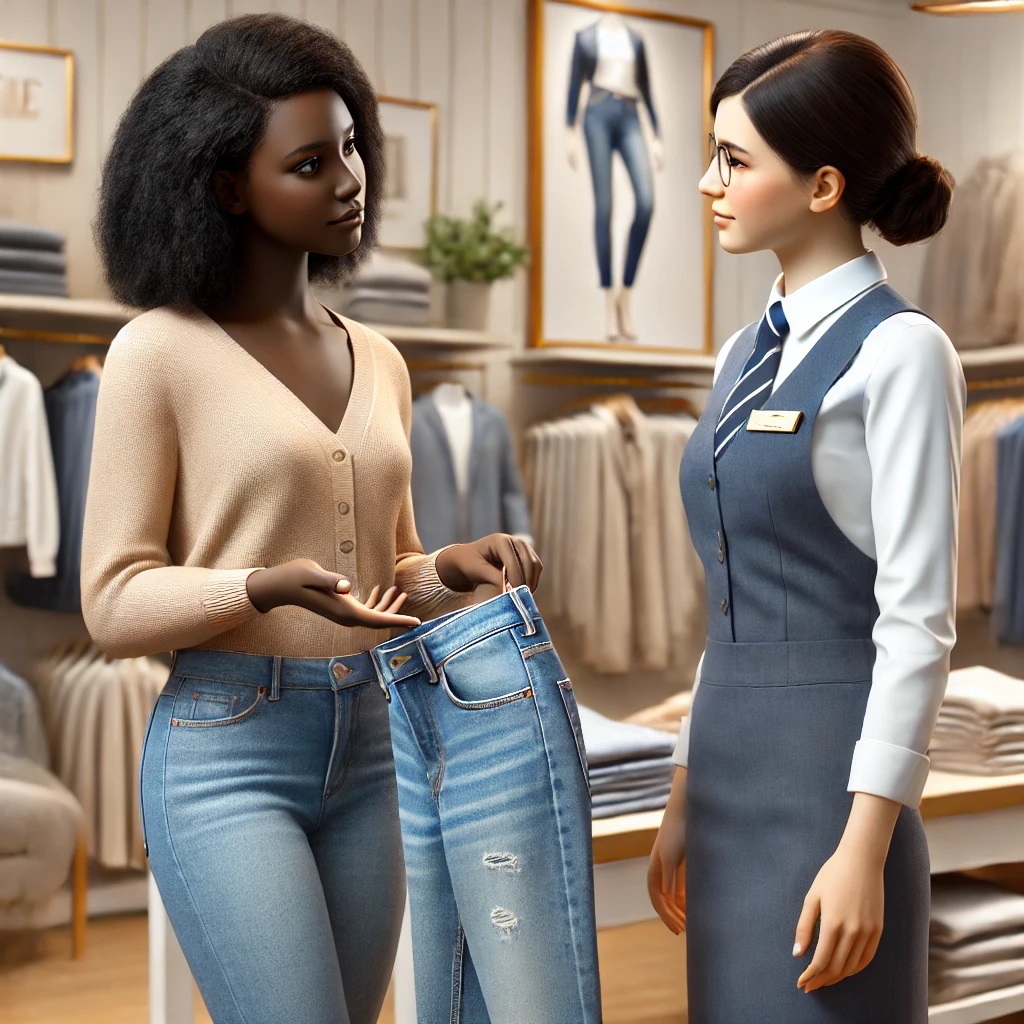
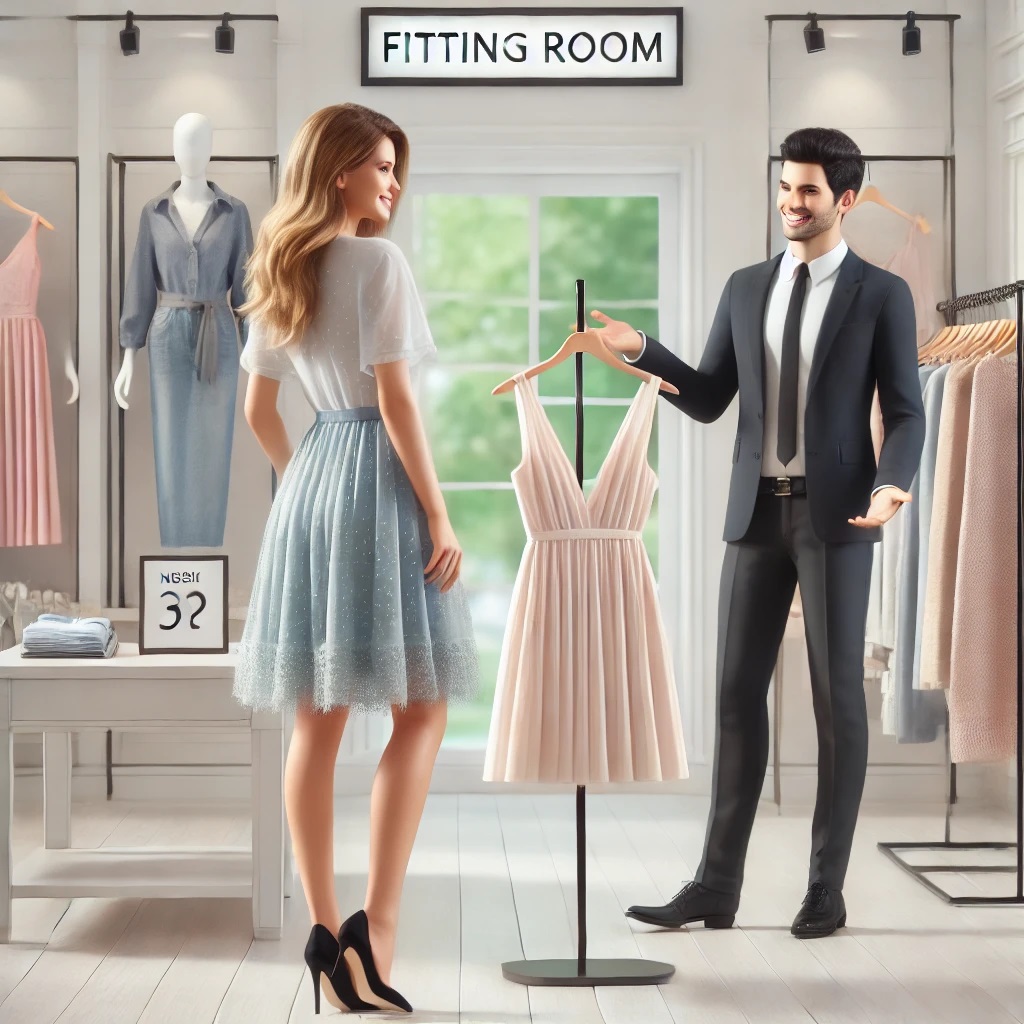
我可以试穿这个吗?

Can I try this on?

这个有其他颜色/尺码吗?

Does this come in other colors? / Does this come in other sizes?

退货政策是什么?

What’s the return policy?

这个商品有保修吗?

Is there a warranty for this product?


句义

句义
• Can I try this on?
Can I try… on? 我可以试穿……吗?; this 这个;
• Does this come in other colors/sizes?
Does this come in…? 这个有……吗?;other colors 其他颜色;other sizes 其他尺码;
• What’s the return policy?
What’s…? ……是什么?;the return policy 退货政策;
• Is there a warranty for this product?
Is there…? 有……吗?;a warranty 保修;for this product 这款产品的


提示

提示
Return policy 退货政策:指商家关于商品退货条件、时间限制、退款方式等相关规定。


前往

购物③

询问支付方式


句子

Do you accept credit cards? /du jʊ əkˈsɛpt ˈkrɛdɪt kɑrdz/ 你们接受信用卡支付吗?

Can I pay with cash? /kən aɪ peɪ wɪð kæʃ/ 我可以用现金支付吗?

Do you take electronic payments? /du jʊ teɪk ˌɪlɛkˈtrɑnɪk ˈpeɪmənts/ 你们接受电子支付吗?

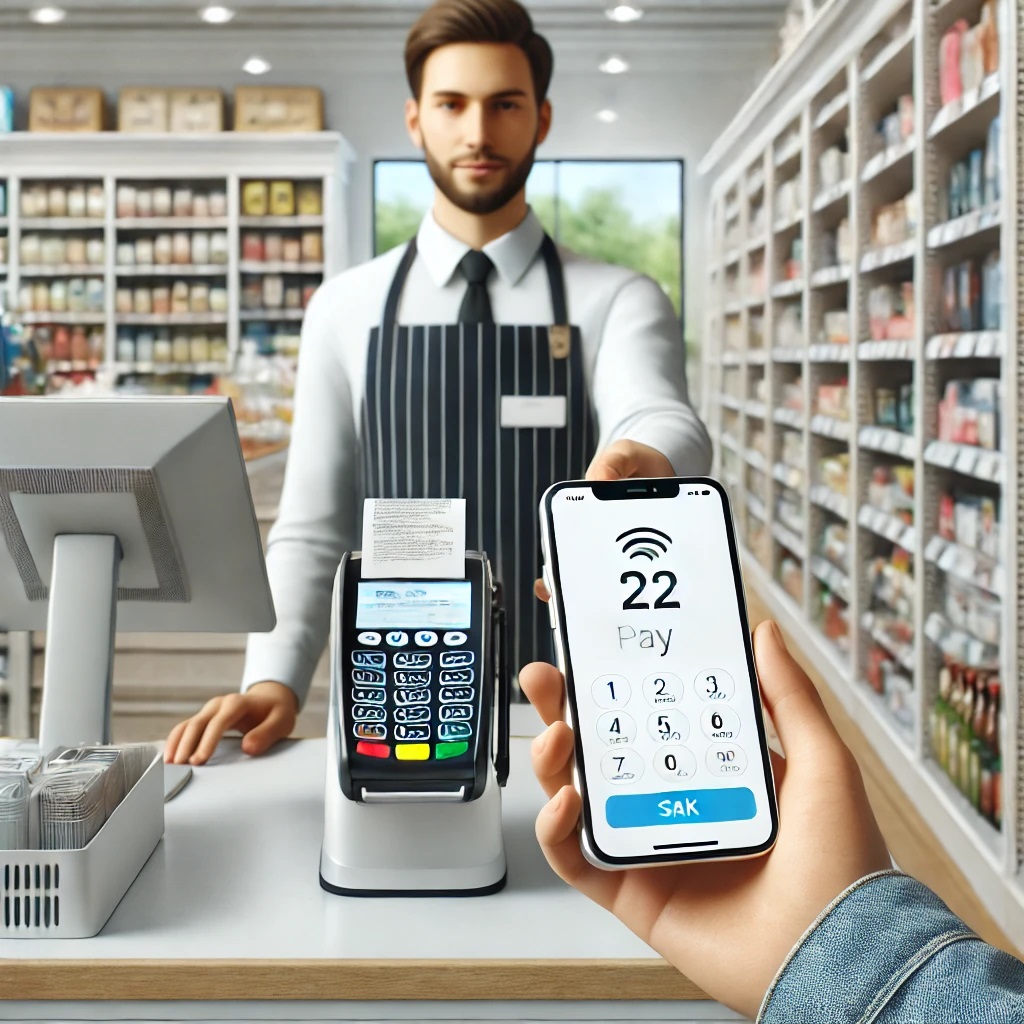
Can I pay with my phone? /kən aɪ peɪ wɪð maɪ foʊn/ 可以用手机支付吗?

Do you accept Apple Pay? /du jʊ əkˈsɛpt ˈæpəl peɪ/
Do you accept Google Pay? /du jʊ əkˈsɛpt ˈɡuɡəl peɪ/
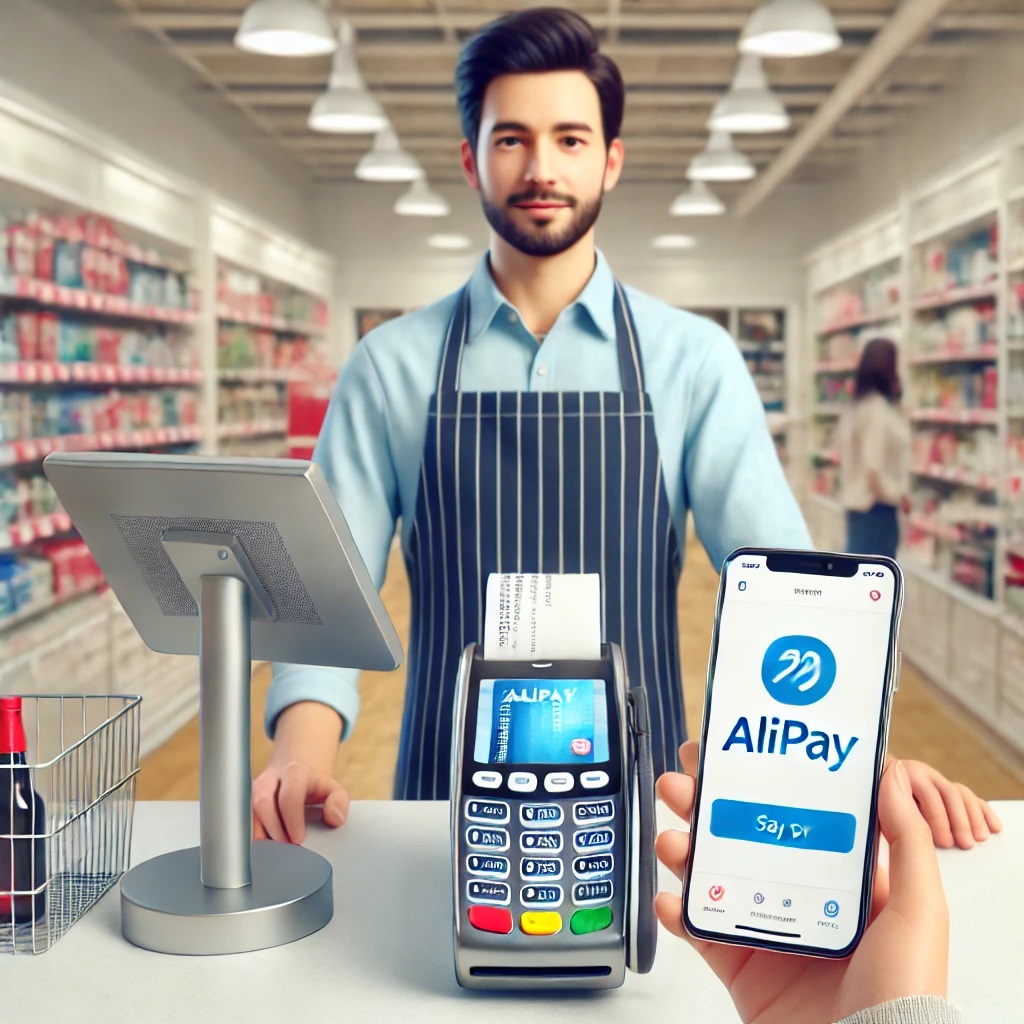
Do you accept Alipay? /du jʊ əkˈsɛpt ˈæli peɪ/
你们接受苹果支付/谷歌/支付宝支付吗?


词汇

accept /əkˈsɛpt/ 接受;credit cards /ˈkrɛdɪt kɑrdz/ 信用卡;pay /peɪ/ 支付;cash /kæʃ/ 现金;pay with /peɪ wɪð/ 用……支付;take /teɪk/ 接受;electronic /ɪˌlɛkˈtrɑnɪk/ 电子的;payments /ˈpeɪmənts/ 支付;take electronic payments /teɪk ɪˌlɛkˈtrɑnɪk ˈpeɪmənts/ 接受电子支付;phone /foʊn/ 手机;Apple Pay /ˈæpəl peɪ/ 苹果支付;Google Pay /ˈɡuɡəl peɪ/ 谷歌支付;Alipay /ˈæliˌpeɪ/ 支付宝


看图

你们接受信用卡支付吗?

Do you accept credit cards?

我可以用现金支付吗?

Can I pay with cash?

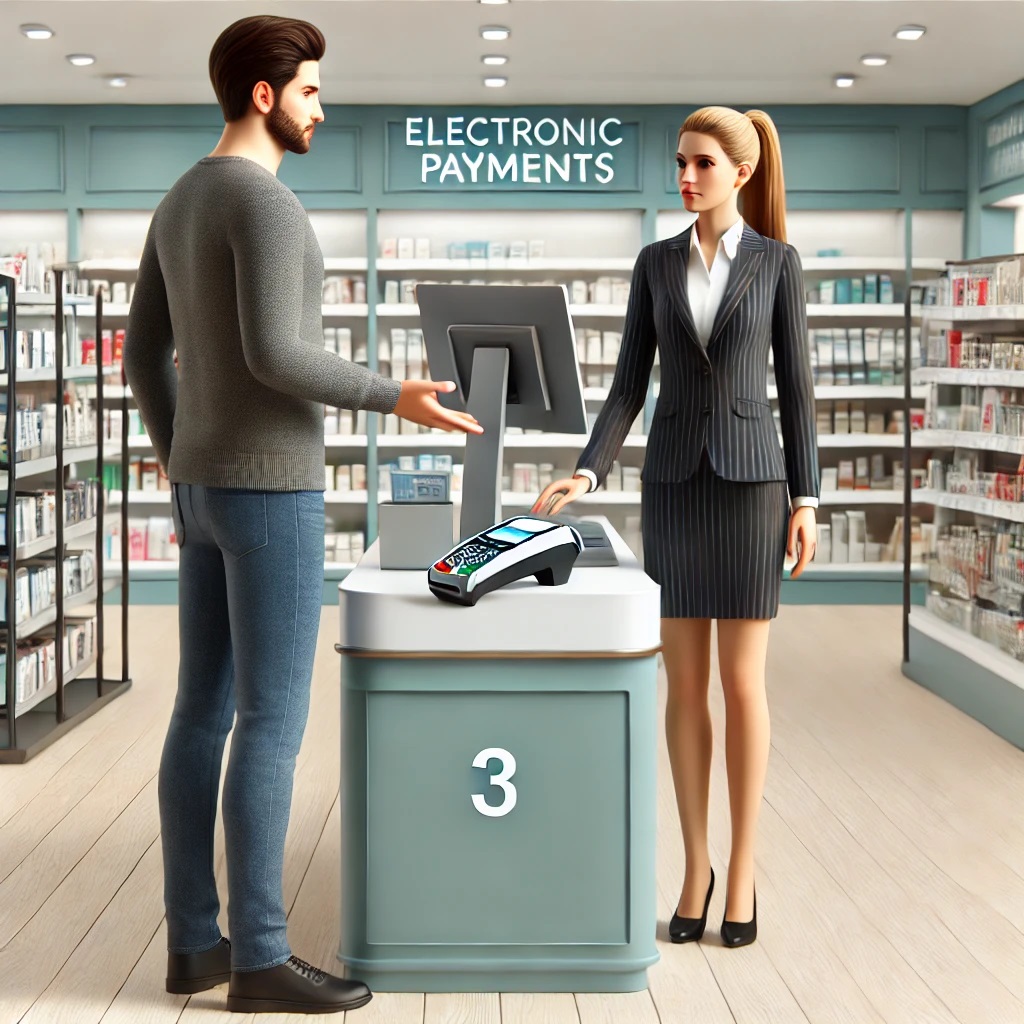
你们接受电子支付吗?

Do you take electronic payments?

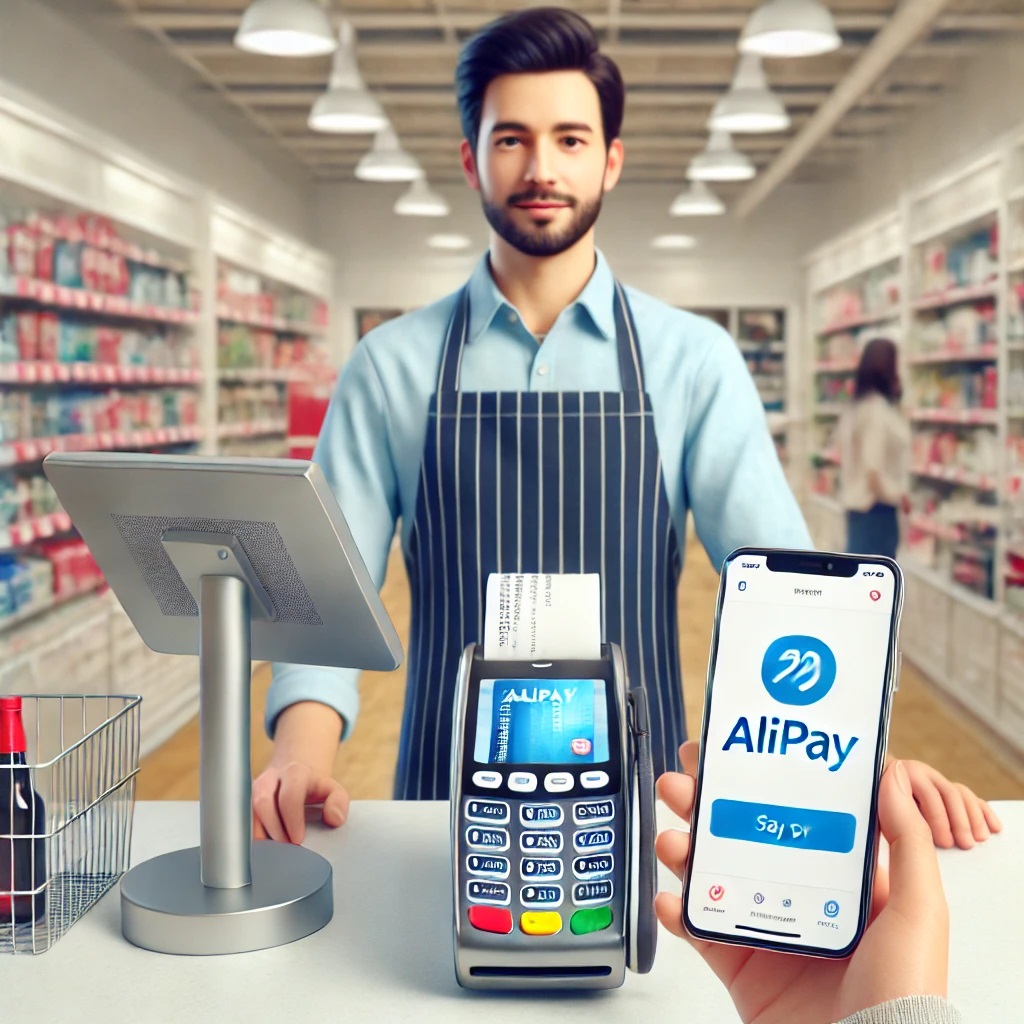
可以用手机支付吗?

Can I pay with my phone?

你们接受苹果支付/谷歌/支付宝支付吗?

Do you accept Apple Pay? / Do you accept Google Pay? / Do you accept Alipay?


句义

句义
• Do you accept credit cards?
Do you accept…? 你接受……吗?;credit cards 信用卡
• Can I pay with cash?
Can I pay…? 我可以……支付吗?;with cash 用现金
• Do you take electronic payments?
Do you take…? 你们接受……吗?;electronic payments 电子支付
• Can I pay with my phone?
Can I pay…? 我可以……付款吗?;with my phone 用我的手机
• Do you accept Apple Pay / Google Pay / Alipay?
Do you accept…? 你接受……吗? Apple Pay 苹果支付;Google Pay 谷歌支付; Alipay 支付宝


提示

在美国,Apple PayGoogle Pay 和信用卡(如 Visa、MasterCard)是更为主流的无现金支付方式。


前往

I’m cleaning the house.


短语

clean the house /klin ðə haʊs/ 打扫房子;
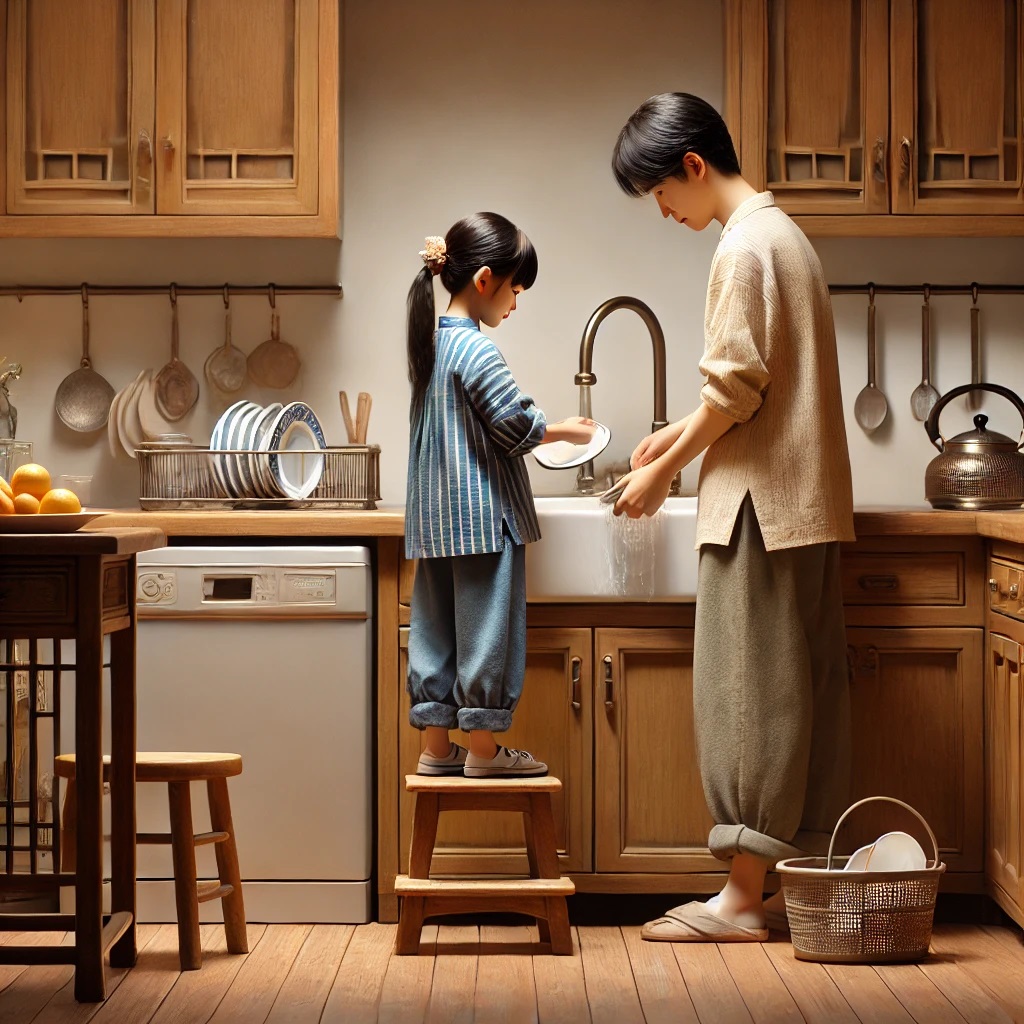
do the dishes /du ðə ˈdɪʃɪz/ 洗碗;
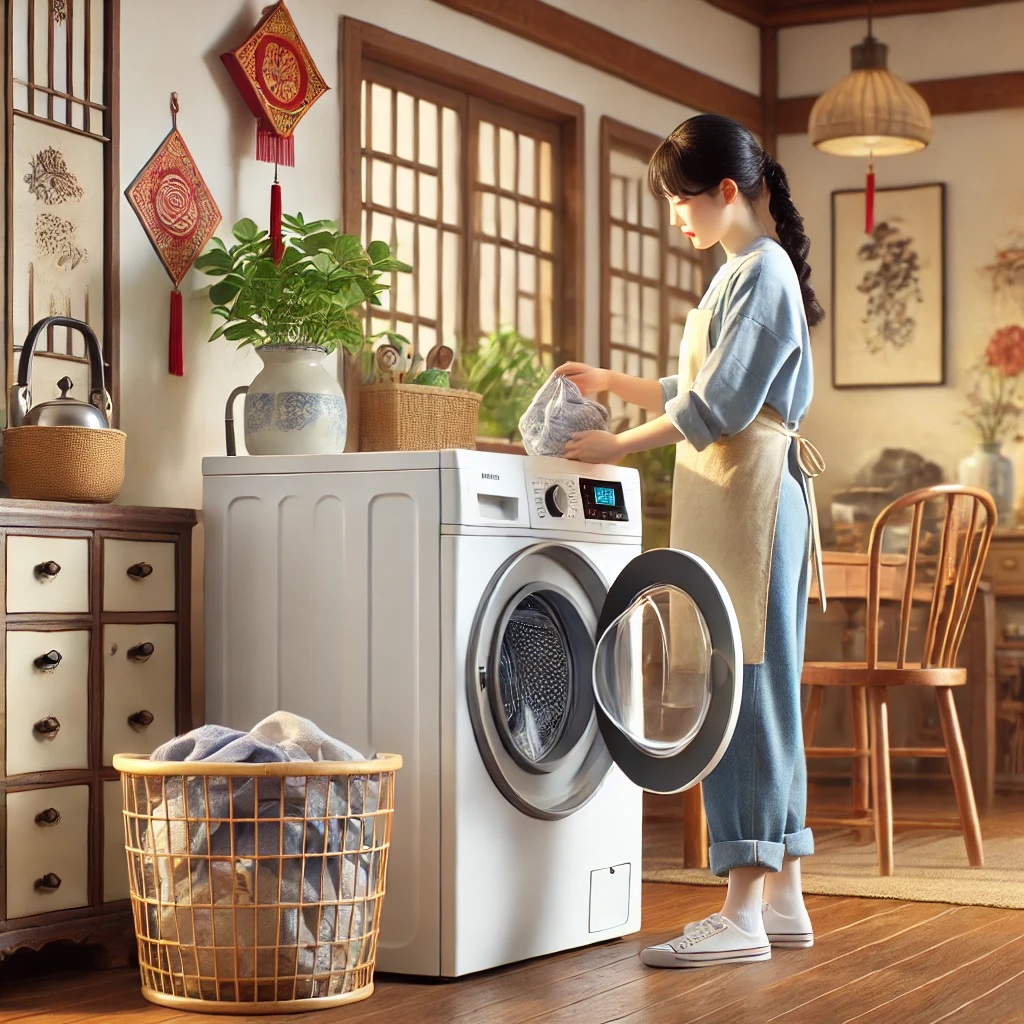
do the laundry /du ðə ˈlɔndri/ 洗衣服;
drink tea /drɪŋk ti/ 喝茶;
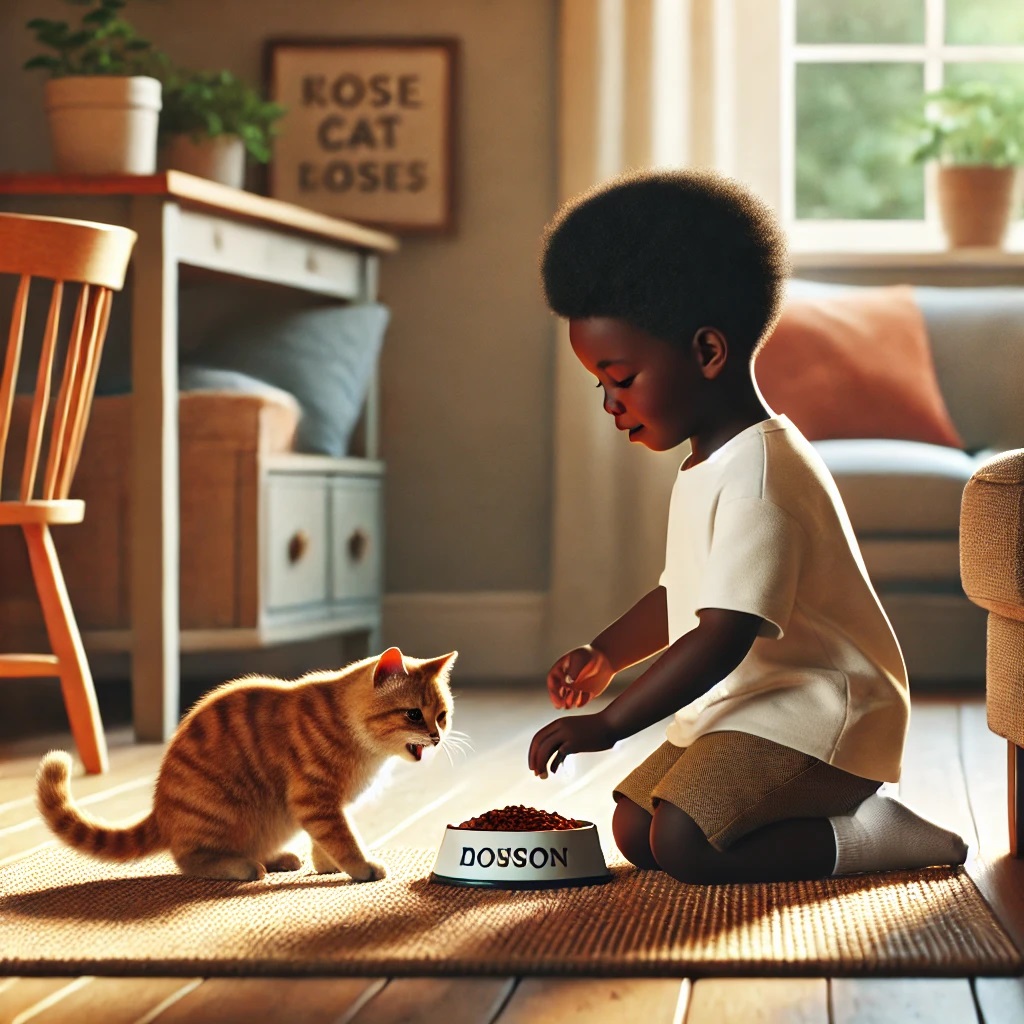
feed the cat /fid ðə kæt/ 喂猫;
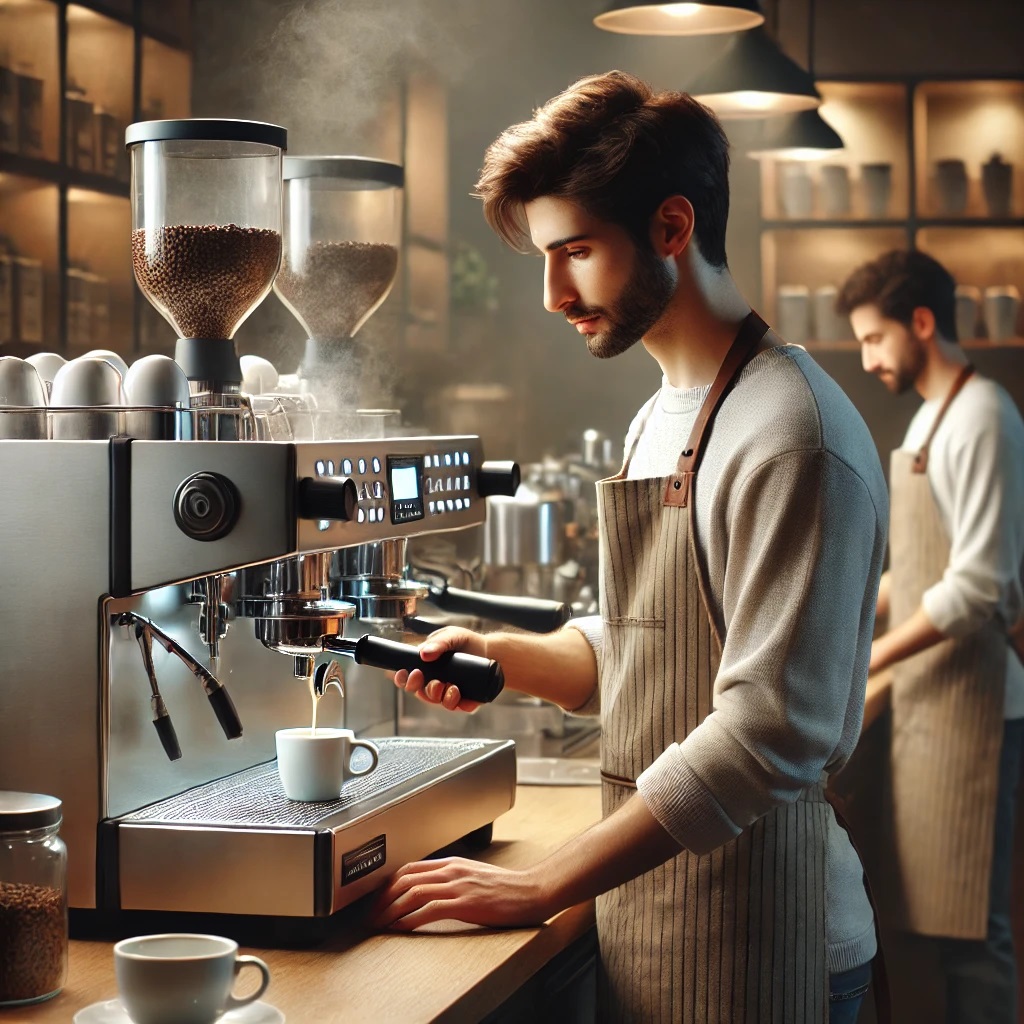
make coffee /meɪk ˈkɔfi/ 煮咖啡


单词

clean /klin/ 打扫;house /haʊs/ 房子;do /du/ 完成(清洗任务);dishes /ˈdɪʃɪz/ 碗碟;laundry /ˈlɔndri, ˈlɑndri/ 洗衣服;drink /drɪŋk/ 喝;tea /ti/ 茶;feed /fid/ 喂;cat /kæt/ 猫;make /meɪk/ 制作;coffee /ˈkɔfi, ˈkɑfi/ 咖啡


句式

I am (doing something).
I’m (doing something).
我在(做某事)。

例句:I am cleaning the house. / I’m cleaning the house. 我在打扫房子。

am cleaning 表示这个动作正在进行中,原形动词 clean 之前加上 be 动词 am,动词加上ing:cleaning;

代词 I 需要与 be 动词 am 搭配:I am / I’m

I am cleaning the house. / I‘m cleaning the house. = 我正在打扫房子,表示我正在在进行“打扫房子”的动作;

I’m”“I am” 的缩写形式,在口语中非常普遍,缩写形式让语速更快、更自然。例如:
I’m happy. [aɪm ˈhæpi]
I’m going home. [aɪm ˈɡoʊɪŋ hoʊm/

I am → I’m

这种句式中,原形动词都必须改为现在分词(加上ing):
clean → cleaning
do → doing
drink → drinking
feed → feeding
make → making


看图

我正在打扫房子。

I am cleaning the house. /aɪ æm ˈklinɪŋ ðə haʊs/;I’m cleaning the house. /aɪm ˈklinɪŋ ðə haʊs/

我正在喝茶。

I am drinking tea. /aɪ æm ˈdrɪŋkɪŋ ti/;I’m drinking tea. /aɪm ˈdrɪŋkɪŋ ti/

我正在煮咖啡。

I am making coffee. /aɪ æm ˈmeɪkɪŋ ˈkɔfi/;I’m making coffee. /aɪm ˈmeɪkɪŋ ˈkɔfi/

我正在洗碗。

I am doing the dishes. /aɪ æm ˈduɪŋ ðə ˈdɪʃɪz/;I’m doing the dishes. /aɪm ˈduɪŋ ðə ˈdɪʃɪz/

我正在喂猫。

I am feeding the cat. /aɪ æm ˈfidɪŋ ðə kæt/;I’m feeding the cat. /aɪm ˈfidɪŋ ðə kæt/

我正在洗衣服

I am doing the laundry. /aɪ æm ˈduɪŋ ðə ˈlɔndri/;I’m doing the laundry. /aɪm ˈduɪŋ ðə ˈlɔndri/


提示

在英式英语中 “do the washing”“do the laundry” 更常用。在英式英语中,用 “do the washing” 是更地道的选择,而 “do the laundry” 则是美式英语的典型表达。

洗碗 “do the washing up” 是英国人更常用的表达,美国人更常说 “do the dishes”。想用地道的英式英语,可以选择 “do the washing up”;在美式英语环境中,“do the dishes” 更为自然。


前往

购物②

讨价还价


句子

Can you give me a discount?
/kæn ju ɡɪv mi ə ˈdɪskaʊnt/
可以给我打折吗?

Is that the best price you can offer?
/ɪz ðæt ðə bɛst praɪs ju kən ˈɔfər/
这是你能给的最低价吗?

Can we negotiate the price?
/kæn wi nɪˈɡoʊʃiˌeɪt ðə praɪs/
我们可以商量价格吗?

I’ll take it if you can lower the price a bit.
/aɪl teɪk ɪt ɪf ju kən ˈloʊər ðə praɪs ə bɪt/
如果你能再降一点,我就买。

What’s your final price?
/wʌts jʊr ˈfaɪnəl praɪs/
最后能给的价格是多少?


词汇

can /kæn/ 可以;give /ɡɪv/ 给;give me /ɡɪv mi/ 给我;a discount /ə ˈdɪskaʊnt/ 折扣;best /bɛst/ 最好的;price /praɪs/ 价格;the best price /ðə bɛst praɪs/ 最优惠的价格;offer /ˈɔːfər/ 提供;we /wi/ 我们;negotiate /nɪˈɡoʊʃieɪt/ 协商;take /teɪk/ 买;if /ɪf/ 如果;lower /ˈloʊər/ 降低;a bit /ə bɪt/ 一点点;what’s /wʌts/ = what is;your /jʊr/ 你的;final /ˈfaɪnəl/ 最后的


看图

可以给我打折吗?

Can you give me a discount?

这是你能给的最低价吗?

Is that the best price you can offer?

我们可以商量价格吗?

Can we negotiate the price?

如果你能再降一点,我就买。

I’ll take it if you can lower the price a bit.

最后能给的价格是多少?

What’s your final price?


句义

句义
• Can you give me a discount?
Can you give me…? 你可以给我……吗?;a discount 折扣;
• Is that the best price you can offer?
Is that…? 那是……吗?;the best price 最低价;you can offer 你能给的(最低价)
• Can we negotiate the price?
Can we negotiate…? 我们可以商量……吗?;the price 价格;
• I’ll take it if you can lower the price a bit.
I’ll take it 我会买它;if 如果;you can 你可以;lower the price 降低价格;a bit 一点;
• What’s your final price?
What’s…? ……是什么?;your final price 你最后的价格


提示

提示
在美式文化中,讨价还价通常只在市场、二手商店或小型商铺中常见,在大商场里通常不适用。


前往

购物①

问价钱


句子

How much is this? /haʊ mʌtʃ ɪz ðɪs/ 这个多少钱?

How much does this cost? /haʊ mʌtʃ dəz ðɪs kɔst/ 这个要多少钱?

What’s the price of this? /wʌts ðə praɪs əv ðɪs/ 这个的价格是多少?

Is this on sale? /ɪz ðɪs ɑn seɪl/ 这个打折吗?


词汇

how much /haʊ mʌtʃ/ 多少钱;this /ðɪs/ 这个;cost /kɔst/ 价钱为;what’s /wʌts/ = what is;price /praɪs/ 价格;the price of this /ðə praɪs əv ðɪs/ 这个的价格sale /seɪl/ 特卖;on sale /ɔn seɪl/ 打折;


看图

这个多少钱?

How much is this?

这个要多少钱?

How much does this cost?

这个的价格是多少?

What’s the price of this?

这个打折吗?

Is this on sale?


句义

句义
• How much is this?
How much 多少(钱); … is this? 这是……?
• How much does this cost?
How much 多少(钱);…does this cost? 这需要付……?
• What’s the price of this?
the price of this 这个(东西)的价钱;What’s…? ……是什么?
• Is this on sale?
Is this…?这是否……?; on sale 打折


提示

美式英语: “on sale” 通常表示“打折”或“促销”。
英式英语: “on sale” 通常表示“在售”或“有售”,打折则使用“in a sale”或“on special offer”。


前往

At the Beach


阅读

At the Beach
Many children are building sandcastles on the beach. Parents like to take their children to the beach on weekends.

在沙滩
许多孩子正在沙滩上堆沙堡。父母喜欢在周末带孩子去沙滩玩。


音标

At the Beach
/æt ðə bitʃ/
Many children are building sandcastles on the beach.
/ˈmɛni ˈtʃɪldrən ɑr ˈbɪldɪŋ ˈsændˌkæsəlz ɔn ðə bitʃ/
Parents like to take their children to the beach on weekends.
/ˈpɛrənts laɪk tə teɪk ðɛr ˈtʃɪldrən tə ðə bitʃ ɔn ˈwikˌɛndz/


词汇

at /æt/ 在;beach /bitʃ/ 沙滩;at the beach /æt ðə bitʃ/ 在沙滩上;many /ˈmɛni/ 许多;children /ˈtʃɪldrən/ 小孩;build /bɪld/ 建造;are building /ɑr ˈbɪldɪŋ/ 正在建造;sandcastles /ˈsændˌkæsəlz/ 沙堡;on /ɔn/ 在……上;on the beach /ɔn ðə bitʃ/ 在沙滩上;parents /ˈpɛrənts/ 父母(复数);like /laɪk/ 喜欢;to take /tə teɪk/ 带;their /ðɛr/ 他们的;to the beach /tə ðə bitʃ/ 去沙滩;weekends /ˈwikˌɛndz/ 周末;on weekends /ɔn ˈwikˌɛndz/ 在周末


看图

在沙滩
许多孩子正在沙滩上堆沙堡。父母喜欢在周末带孩子去沙滩玩。

At the Beach
Many children are building sandcastles on the beach. Parents like to take their children to the beach on weekends.


提示

提示
• 小孩,单数形式:a child /ə tʃaɪld/;复数形式:children /ˈtʃɪldrən/
at the beach:强调一个广义的范围,比如靠近沙滩的区域,可以包括沙滩、海岸线附近的地方。on the beach:更具体,指在沙滩的表面上。
on weekends 更常见于美式英语,而 at weekends 更常用于英式英语。


问答

:What are the children doing on the beach? 孩子们在沙滩上做什么?


答案
:They are building sandcastles on the beach. 他们在沙滩上堆城堡。

解析
问正在发生的一件事:“are the children doing” ,回答时把 the children 改为代词 they,再把 are 移到 they 之后:
are the children doing → they are building sandcastles


前往

My Breakfast


阅读

My Breakfast
I have breakfast at home. I usually have cereal and milk for breakfast.

我的早餐
我在家吃早餐。我通常早餐吃麦片和牛奶。


音标

My Breakfast
/maɪ ˈbrekfəst/
I have breakfast at home.
/aɪ hæv ˈbrekfəst æt hoʊm/
I usually have cereal and milk for breakfast.
/aɪ ˈjuʒuəli hæv ˈsɪriəl ənd mɪlk fər ˈbrekfəst/


词汇

my /maɪ/ 我的;breakfast /ˈbrɛkfəst/ 早餐;have /hæv/ 吃;breakfast /ˈbrɛkfəst/ 早餐;have breakfast /hæv ˈbrɛkfəst/ 吃早餐;at home /æt hoʊm/ 在家;usually /ˈjuʒuəli/ 通常;cereal /ˈsɪriəl/ 谷物早餐;milk /mɪlk/ 牛奶;for breakfast /fɔr ˈbrɛkfəst/ 作早餐


看图

我的早餐
我在家吃早餐。我通常早餐吃麦片和牛奶。

My Breakfast
I have breakfast at home. I usually have cereal and milk for breakfast.


提示

• have… for breakfast 吃……作为早餐,或 早餐吃……


问答

:What do I have for breakfast? 我早餐吃什么?


答案
:You have cereal and milk for breakfast. 你早餐吃麦片和牛奶。

解析
回答时I改为 you;
问现在会重复做的事:“do…… have” ,回答时把 do…… have 改为现在时 have:
do I have → you have


前往

My Lunch


阅读

My Lunch
I had lunch at a fast food restaurant. I ordered a burger, some French fries, and a Coke.

我的午餐
我在一家快餐店吃了午餐。我点了一份汉堡,一些薯条和一杯可乐。


音标

My Lunch
/maɪ lʌntʃ/
我的午餐
I had lunch at a fast food restaurant.
/aɪ hæd lʌntʃ ət ə ˈfæst fud ˈrɛst(ə)ˌrɑnt/
我在一家快餐店吃了午餐。
I ordered a burger, some French fries, and a Coke.
/aɪ ˈɔrdərd ə ˈbərɡər, sʌm frɛntʃ fraɪz, ənd ə koʊk/
我点了一份汉堡,一些薯条和一杯可乐。


词汇

my /maɪ/ 我的;lunch /lʌntʃ/ 午餐;had /hæd/ 吃了;had lunch /hæd lʌntʃ/ 吃了午餐;at /æt/ 在;fast food /fæst fud/ 快餐;restaurant /ˈrɛst(ə)ˌrɑnt/ 餐馆;at a fast food restaurant /æt ə ˈfæst fud ˈrɛst(ə)ˌrɑnt/ 在一家快餐店;
ordered /ˈɔrdərd/ 点了;burger /ˈbɜrɡər/ 汉堡;some /sʌm/ 一些;French fries /ˈfrɛntʃ fraɪz/ 薯条;Coke /koʊk/ 可乐;a Coke /ə koʊk/ 一杯可乐


看图

我的午餐
我在一家快餐店吃了午餐。我点了一份汉堡,一些薯条和一杯可乐。

My Lunch
I had lunch at a fast food restaurant. I ordered a burger, some French fries, and a Coke.


提示

• a Coke 一杯可乐:Coke 需要大写,因为它是品牌名称Coca-Cola的缩写。
• burger:在美式英语日常对话中,“burger” 比“hamburger”更常用。


问题

:What did I have for lunch? 我午餐吃了什么?


答案
答:You had a burger, some French fries, and a Coke. 你吃了一个汉堡,一些薯条和一杯可乐。

解析
回答时I改为 you;
问过去做了的一件事:“did …… have” ,回答时把 did…… have 改为过去式 had:
did I have → you had


前往

You watch TV.


短语

go to work /ɡoʊ tə ˈwərk/ 去上班;
play soccer /pleɪ ˈsɑkər/ 踢足球;
play basketball /pleɪ ˈbæskətˌbɔl/ 打篮球;
play the piano /pleɪ ðə piˈænoʊ/ 弹钢琴;
walk your dog /wɔk jʊr dɔɡ/ 或 /wɔk jər dɔɡ/ 遛狗;
watch TV /wɑtʃ ˌtiˈvi/ 看电视


单词

go /ɡoʊ/ 去;work /wərk/ 工作;play /pleɪ/ 进行(活动);soccer /ˈsɑkər/ 足球;basketball /ˈbæskətˌbɔl/ 篮球;piano /piˈænoʊ/ 钢琴;walk /wɔk/ 遛(狗);dog /dɔɡ/ 狗;watch /wɑtʃ, wɒtʃ/ 观看;TV /ˌtiˈvi/ 电视


句式

You do something.
你(做某事)。

例句:You watch TV. 你看电视。

结构:谁 • 做 • 什么
英语的基本句子结构和中文一样,先说谁,再说做什么。

现在一般时 you do,动词 do 不加s。


看图

你踢足球。

You watch TV. /ju wɑtʃ ˌtiˈvi/

你踢足球。

You play soccer. /ju pleɪ ˈsɑkər/

你遛狗。

You walk your dog. /ju wɔk jər dɔɡ/

你打篮球。

You play basketball. /ju pleɪ ˈbæskətˌbɔl/

你去上班。

You go to work. /ju ɡoʊ tə wɜrk/

你弹钢琴。

You play the piano. /ju pleɪ ðə piˈænoʊ/


提示

注意:
进行运动:play soccer;play tennis,不需要冠词 the;
玩乐器:play the piano;play the guitar,需要冠词 the。


前往

I drink coffee.


短语

do my homework /du maɪ ˈhoʊmˌwərk/ 做作业;
do the housework /du ðə ˈhaʊsˌwərk/ 做家务;
drink coffee /drɪŋk ˈkɔfi/ 喝咖啡;
have breakfast /hæv ˈbrɛkfəst/ 吃早餐;
go shopping /ɡoʊ ˈʃɑpɪŋ/ 去购物;
go to school /ɡoʊ tə ˈskul/ 去上学


单词

do /du/ 做;my /maɪ/ 我的;homework /ˈhoʊmˌwərk/ 作业;housework /ˈhaʊsˌwərk/ 家务;drink /drɪŋk/ 喝;coffee /ˈkɔfi, ˈkɑfi/ 咖啡;have /hæv/ 吃;breakfast /ˈbrɛkfəst/ 早餐;go /ɡoʊ/ 去;进行(活动);shopping /ˈʃɑpɪŋ/ 购物;school /skul/ 学校


句式

I do something.
我(做某事)。

例句:I drink coffee. 我喝咖啡。

结构:谁 • 做 • 什么(我 • 喝 • 咖啡)
英语的基本句子结构和中文一样,先说谁,再说做什么。

现在一般时 I do,动词 do 不加s。


看图

我喝咖啡。

I drink coffee. /aɪ drɪŋk ˈkɔfi/

我做家务。

I do the housework. /aɪ du ðə ˈhaʊsˌwɜrk/

我去上学。

I go to school. /aɪ ɡoʊ tə ˈskul/

我去购物。

I go shopping. /aɪ ɡoʊ ˈʃɑpɪŋ/

我吃早餐。

I have breakfast. /aɪ hæv ˈbrɛkfəst/

我做作业。

I do my homework. /aɪ du maɪ ˈhoʊmˌwɜrk/


提示

提示
• Have breakfast 和 Eat breakfast
Have breakfast:使用更广泛,不仅指“吃”的动作,还可以涵盖整个“用餐”的体验。
Eat breakfast:更具体地指“吃”早餐,强调“吃”的动作本身。通常用在更明确、强调吃的语境下,或与其他动作对比时使用(如健康饮食讨论中)。
在美式日常口语中,have breakfast 更常用、更自然。如果需要更强调整个用餐过程,优先选择 have breakfast


前往