家务④


短语

change the bedsheets /tʃeɪndʒ ðə ˈbɛdʃits/ 更换床单;
declutter the living room /diˈklʌtər ðə ˈlɪvɪŋ rum/ 清理客厅的杂物;
make the bed /meɪk ðə bɛd/ 整理床铺;
organize the bookshelf /ˈɔrɡənaɪz ðə ˈbʊkʃɛlf/ 整理书架;
organize the closet /ˈɔrɡənaɪz ðə ˈklɑzət/ 整理衣柜;
put away the toys /pʊt əˈweɪ ðə tɔɪz/ 收拾玩具;
tidy up the books on the shelf /ˈtaɪdi ʌp ðə bʊks ɔn ðə ʃɛlf/ 整理架子上的书


单词

change /tʃeɪndʒ/ 更换;bedsheets /ˈbɛdʃits/ 床单;declutter /diˈklʌtər/ 清理杂物;living room /ˈlɪvɪŋ rum/ 客厅;make /meɪk/ 整理;bed /bɛd/ 床;organize /ˈɔrɡəˌnaɪz/ 整理;bookshelf /ˈbʊkʃɛlf/ 书架;closet /ˈklɑzət/ 衣柜;put away /pʊt əˈweɪ/ 收拾;toys /tɔɪz/ 玩具;tidy up /ˈtaɪdi ʌp/ 整理;books /bʊks/ 书本


看图

更换床单

change the bedsheets /tʃeɪndʒ ðə ˈbɛdʃits/

整理床铺

make the bed /meɪk ðə bɛd/

整理衣柜

organize the closet /ˈɔrɡənaɪz ðə ˈklɑzət/

清理客厅的杂物

declutter the living room /diˈklʌtər ðə ˈlɪvɪŋ rum/

整理架子上的书

tidy up the books on the shelf /ˈtaɪdi ʌp ðə bʊks ɔn ðə ʃɛlf/

整理书架

organize the bookshelf /ˈɔrɡənaɪz ðə ˈbʊkʃɛlf/

收拾玩具

put away the toys /pʊt əˈweɪ ðə tɔɪz/


提示

提示
衣柜:
美式英语中更常用 closet;英式英语中更常用 wardrobe

美式英语中,closet 是指内嵌式的储物空间(通常带门),用来存放衣物或其他物品。英式英语中,wardrobe 更常用来指独立的、可以移动的衣柜或储物柜。


前往

家务③


短语

clean the kitchen /klin ðə ˈkɪtʃən/ 打扫厨房
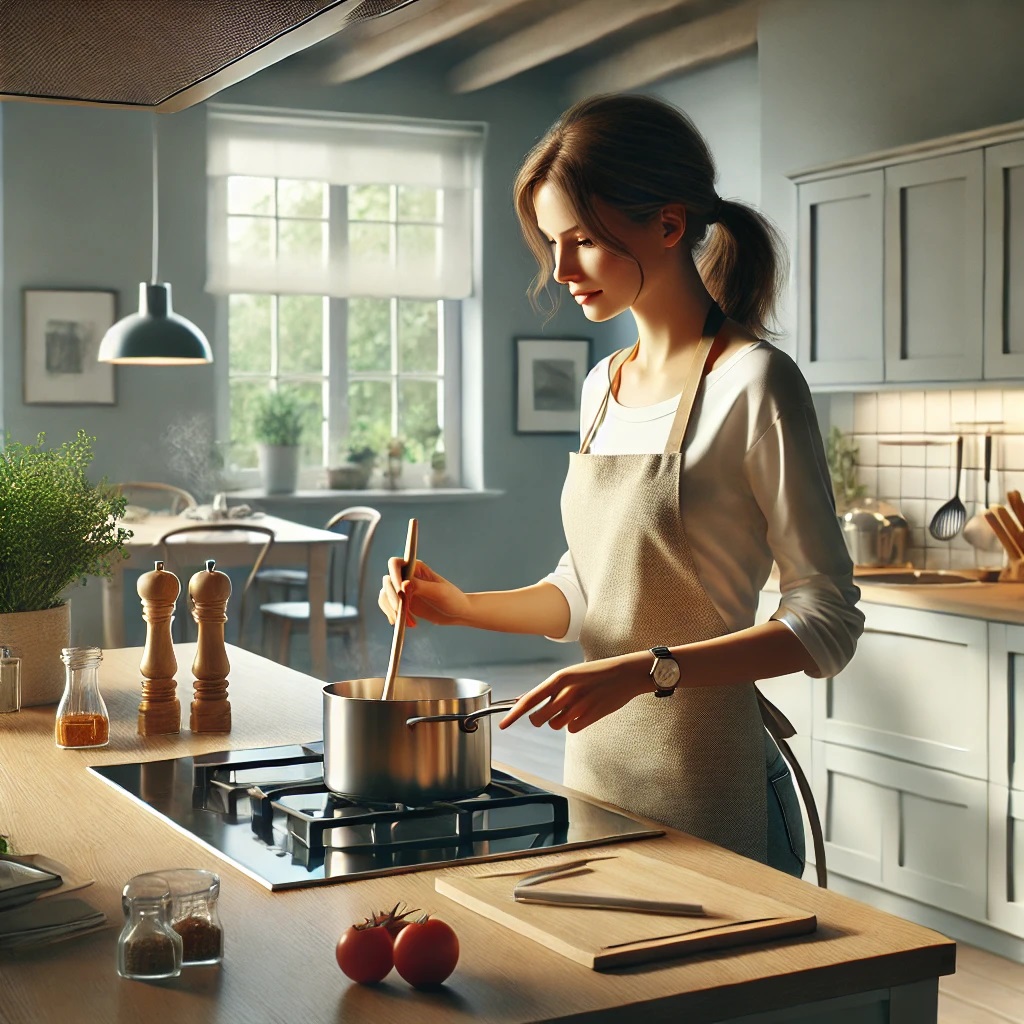
cook dinner /kʊk ˈdɪnər/ 做晚饭
do the dishes /du ðə ˈdɪʃɪz/ 洗碗
fix the faucet /fɪks ðə ˈfɔsət/ 修理水龙头
sharpen the knives /ˈʃɑrpən ðə ˈnaɪvz/ 磨刀
take out the trash /teɪk aʊt ðə ˈtræʃ/ 倒垃圾


单词

clean /klin/ 清洁;kitchen /ˈkɪtʃən/ 厨房;cook /kʊk/ 烹饪;dinner /ˈdɪnər/ 晚饭;do /du/ 完成(任务);dishes /ˈdɪʃɪz/ 碗碟;fix /fɪks/ 修理;faucet /ˈfɔsət/ 水龙头;sharpen /ˈʃɑrpən/ (使)变得锋利;knives /naɪvz/ 刀具;take out /teɪk aʊt/ 拿出去;trash /træʃ/ 垃圾


看图

做晚饭

cook dinner /kʊk ˈdɪnər/

洗碗

do the dishes /du ðə ˈdɪʃɪz/

打扫厨房

clean the kitchen /klin ðə ˈkɪtʃən/

倒垃圾

take out the trash /teɪk aʊt ðə ˈtræʃ/

修理水龙头

fix the faucet /fɪks ðə ˈfɔsət/

磨刀

sharpen the knives /ˈʃɑrpən ðə ˈnaɪvz/


提示

提示
水龙头:
美式英语: faucet /ˈfɔsət/;英式英语: tap /tæp/
美式英语:
The faucet in the kitchen is leaking.
(厨房的水龙头在漏水。)
英式英语:
The tap in the kitchen is leaking.
(厨房的水龙头在漏水。)


前往

家务②


短语

clean the bathroom /klin ðə ˈbæθˌrum/ 清洁浴室;
clean the toilet /klin ðə ˈtɔɪlət/ 清洁马桶;
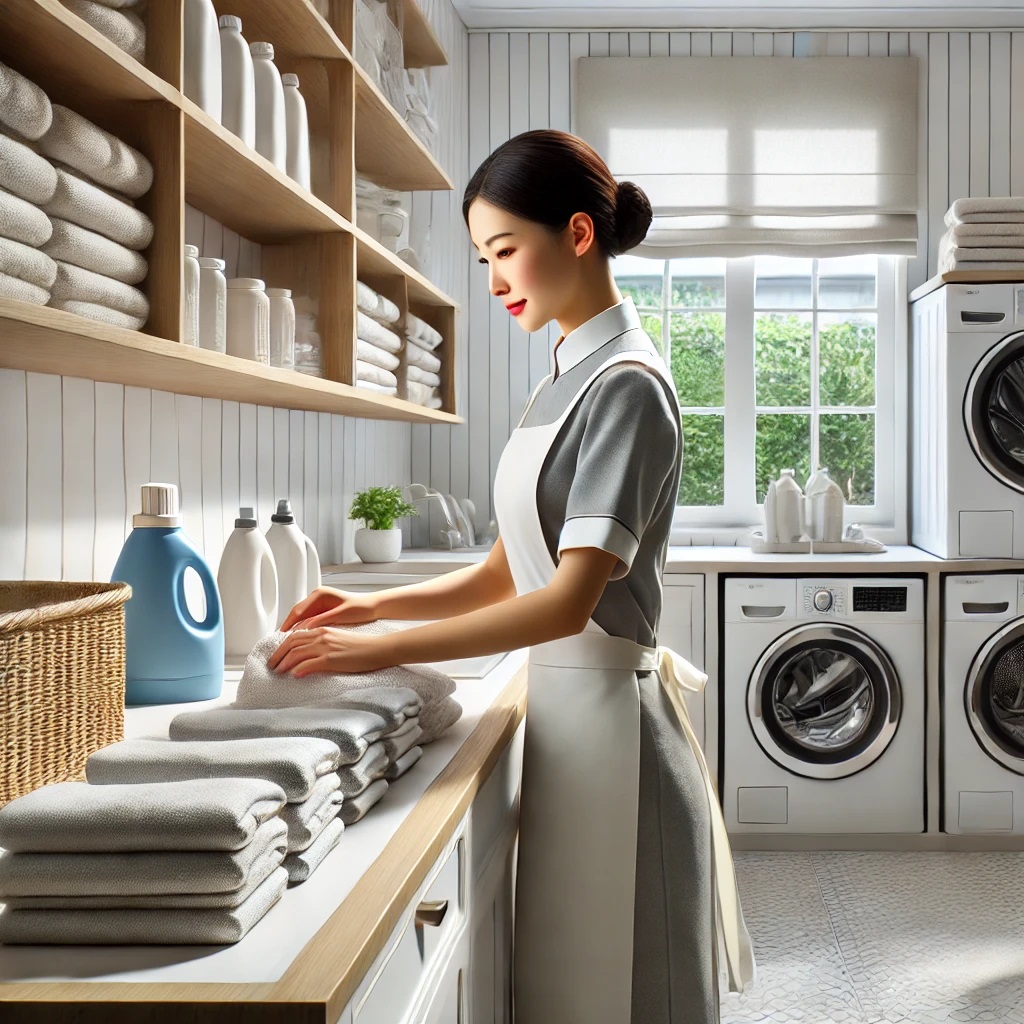
do the laundry /du ðə ˈlɔndri/ 洗衣服;
fold the clothes /foʊld ðə kloʊðz/ 叠衣服;
hang up the clothes /hæŋ ʌp ðə kloʊðz/ 晾衣服;
iron the shirts /ˈaɪərn ðə ʃɜrts/ 熨衬衫;
scrub the toilet bowl /skrʌb ðə ˈtɔɪlət boʊl/ 刷马桶内壁


单词

clean /klin/ 清洁;bathroom /ˈbæθˌrum/ 浴室;toilet /ˈtɔɪlət/ 马桶;do /du/ 做;laundry /ˈlɔndri/ 洗衣服;fold /foʊld/ 叠;clothes /kloʊðz/ 衣服;hang up /hæŋ ʌp/ 晾起来;iron /ˈaɪərn/ 熨;shirts /ʃɜrts/ 衬衫;scrub /skrʌb/ 刷洗;toilet bowl /ˈtɔɪlət boʊl/ 马桶内壁


看图

洗衣服

do the laundry /du ðə ˈlɔndri/

晾衣服

hang up the clothes /hæŋ ʌp ðə kloʊðz/

熨衬衫

iron the shirts /ˈaɪərn ðə ʃɜrts/

叠衣服

fold the clothes /foʊld ðə kloʊðz/

清洁马桶

clean the toilet /klin ðə ˈtɔɪlət/

刷马桶内壁

scrub the toilet bowl /skrʌb ðə ˈtɔɪlət boʊl/

清洁浴室

clean the bathroom /klin ðə ˈbæθˌrum/


提示

提示
在美国,有些地方禁止或限制在室外晾衣服,特别是在某些高档住宅区或有严格管理的社区,但这并不是全国范围的普遍规定,而是因地而异。

在英式英语中,”toilet” 通常指 厕所(整个卫生间),包括马桶、洗手池等。在美式英语中,”toilet” 通常只指马桶,而不是整个厕所。

如果要表示整个厕所(卫生间),美式英语更常用:
• “bathroom”:最常用,泛指带有马桶的卫生间。
• “restroom”:公共场所的卫生间。
• “lavatory”:更正式,多用于飞机、火车等场所。


前往

家务①


短语

change a light bulb /tʃeɪndʒ ə laɪt bʌlb/ 换灯泡;
clean the fridge /klin ðə frɪdʒ/ 清洁冰箱;
clean the windows /klin ðə ˈwɪndoʊz/ 擦窗户;
dust the shelves /dʌst ðə ʃɛlvz/ 掸掉架子上的灰尘;
mop the floor /mɑp ðə flɔr/ 拖地;
sweep the floor /swip ðə flɔr/ 扫地;
vacuum the carpet /ˈvækjum ðə ˈkɑrpət/ 用吸尘器清洁地毯


单词

change /tʃeɪndʒ/ 更换;light bulb /laɪt bʌlb/ 灯泡;clean /klin/ 清洁;fridge /frɪdʒ/ 冰箱;windows /ˈwɪndoʊz/ 窗户;dust /dʌst/ 掸灰;shelves /ʃɛlvz/ 架子;mop /mɑp/ 用拖把拖(地);floor /flɔr/ 地板;sweep /swip/ 扫地;vacuum /ˈvækjum/ 用吸尘机清理;carpet /ˈkɑrpət/ 地毯


看图

换灯泡

change a light bulb /tʃeɪndʒ ə laɪt bʌlb/

清洁冰箱

clean the fridge /klin ðə frɪdʒ/

掸掉架子上的灰尘

dust the shelves /dʌst ðə ʃɛlvz/

擦窗户

clean the windows /klin ðə ˈwɪndoʊz/

扫地

sweep the floor /swip ðə flɔr/

用吸尘器清洁地毯

vacuum the carpet /ˈvækjum ðə ˈkɑrpət/

拖地

mop the floor /mɑp ðə flɔr/


提示

提示

“Fridge” 是 “refrigerator” 的缩写形式。

在日常美式英语口语中,”fridge” 使用频率更高,因为它简短、方便。在正式或技术语境中,”refrigerator” 更常见。日常对话:用 “fridge” 更自然、地道。正式场合:用 “refrigerator” 更得体。

在英式英语中,“fridge” 的使用频率比美式英语中更高,甚至在一些正式语境中也显得自然。相比之下,“refrigerator” 在英式英语中显得更加正式和罕见。


前往

短语模块


短语

get ready /ɡɛt ˈrɛdi/ 准备好


单词


看图

xxx1

图1

get ready

xxx2

图2

go to work

xxx3

图三

go to school

xxx4

图4

drive to work

xxx5

图5

take the bus to school

xxx6

图6

take the subway to work

xxx7

图7

xxx

xxx8

图8

xxx


提示

提示

get 表示一种状态的变化,get ready 即从“未准备好”到“准备好”的状态转变。


前往

代词 + be 动词 ①

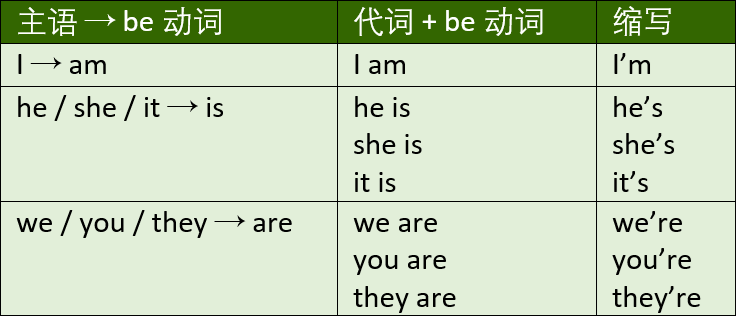
I/you/we/they/he/she/it + am/is/are


学习

• be 是原形动词。
• be 的现在时有三种形式:am、is 和 are。
• 使用哪种形式取决于主语的代词:
he、she 和 it 使用 is:he is;she is;it is。
I 使用 am:I am。
you、we 和 they 使用 are:you are;we are;they are。

• 把下列代词和 be 动词现在时的搭配背起来:
I am; you are; we are; they are; he is; she is; it is.

提示
• I 我;you 你/你们;we 我们;they 他们;he 他;she 她;it 它。
• 英语中,“你”和“你们”都用 you 表示,不加区分。
• 英语中,无论是复数的人、动物还是东西,都用 they 表示(即“他们/它们”)。


练习

用 am、is 或 are 填空。

1. I _____ listening to music.

答案

am

2. She _____ going grocery shopping.

答案

is

3. They _____ having fun.

答案

are

4. He _____ playing the guitar.

答案

is

5. We _____ having breakfast.

答案

are

6. I _____ making the bed.

答案

am

7. She _____ doing the dishes.

答案

is

8. You _____ watching TV.

答案

are

9. He _____ setting the alarm.

答案

is

10. They _____ playing basketball.

答案

are


前往

We’re visiting the museum.


短语

go on a trip /ɡoʊ ɔn ə trɪp/ 去旅行;
go to the airport /ɡoʊ tə ði ˈɛrˌpɔrt/ 去机场;
have a reunion /hæv ə riˈjunjən/ 团聚;
stay at a hotel /steɪ ət ə hoʊˈtɛl/ 住在酒店;
take photos /teɪk ˈfoʊtoʊz/ 拍照;
visit the museum /ˈvɪzɪt ði mjuˈziəm/ 参观博物院


单词

go /ɡoʊ/ 去;airport /ˈɛrˌpɔrt/ 机场;trip /trɪp/ 旅行;stay /steɪ/ 住;at /æt/ 在;hotel /hoʊˈtɛl/ 酒店;have /hæv/ 举行; reunion /riˈjunjən/ 团聚;visit /ˈvɪzɪt/ 参观;museum /mjuˈziəm/ 博物馆;take /teɪk/ 拍摄;photos /ˈfoʊtoʊz/ 照片


句式

We aredoing something.
We’redoing something.
我们正在(做某事)。

例句:We are visiting the museum. / We’re visiting the museum.
我们正在参观博物院。

are visiting 表示这个动作正在进行,原形动词 visit 之前加上 are,动词加上ing:visiting

代词 they 需要与 be 动词 are 搭配:they are / they’re

We are visiting the museum. / We’re visiting the museum. = 我们正在参观博物院。表示我们正在进行“参观博物院”这个动作。

we’re we are 的缩写。在日常轻松、非正式交流的口语中,“we’re” 几乎取代了 “we are”,因为缩写形式更加自然且适合快节奏的交流。

we are → we’re

这种句式中,原形动词都必须改为现在分词(加上ing):
go → going
have → having
stay → staying
take → taking
visit → visiting


看图

我们正在参观博物院。

We are visiting the museum. /wi ɑr ˈvɪzɪtɪŋ ðə mjuˈziəm/;We’re visiting the museum. /wɪr ˈvɪzɪtɪŋ ðə mjuˈziəm/

我们正在去旅行。

We are going on a trip. /wi ɑr ˈɡoʊɪŋ ɔn ə trɪp;/We’re going on a trip. /wɪr ˈɡoʊɪŋ ɔn ə trɪp/

我们正在拍照。

We are taking photos. /wi ɑr ˈteɪkɪŋ ˈfoʊtoʊz/;We’re taking photos. /wɪr ˈteɪkɪŋ ˈfoʊtoʊz/

我们正在去机场。

We are going to the airport. /wi ɑr ˈɡoʊɪŋ tə ði ˈɛrˌpɔrt/;We’re going to the airport. /wɪr ˈɡoʊɪŋ tə ði ˈɛrˌpɔrt/

我们住在酒店。

We are staying at a hotel. /wi ɑr ˈsteɪɪŋ ət ə hoʊˈtɛl/;We’re staying at a hotel. /wɪr ˈsteɪɪŋ ət ə hoʊˈtɛl/

我们正在团聚。

We are having a reunion. /wi ɑr ˈhævɪŋ ə riˈjuniən/;We’re having a reunion. /wɪr ˈhævɪŋ ə riˈjuniən/


提示

注意:去旅行不是 go for a trip,这在美式英语和英式英语中并不常用,相比之下,“go on a trip” 是更地道和常见的表达方式。

live(长期居住)不同,stay 通常表示短期停留或临时居住。酒店通常是旅途中或短期停留的住所,而不是长期居住的地方。因此,用 stay 描述这种临时性质非常恰当。


前往

He’s doing push-ups.


短语

do push-ups /du ˈpʊʃˌʌps/ 做俯卧撑;
play the guitar /pleɪ ðə ɡɪˈtɑr/ 弹吉他;
ride a motorcycle /raɪd ə ˈmoʊtərˌsaɪkəl/ 骑摩托车;
scroll through his phone /skroʊl θru hɪz foʊn/ 刷手机;
take an escalator /teɪk ən ˈɛskəˌleɪtər/ 坐手扶梯;
watch the news /wɑtʃ ðə nuz/ 看新闻


单词

do /du/ 做;push-ups /ˈpʊʃˌʌps/ 俯卧撑;play /pleɪ/ 弹奏;guitar /ɡɪˈtɑr/ 吉他;ride /raɪd/ 骑;motorcycle /ˈmoʊtərˌsaɪkəl/ 摩托车;scroll through /skroʊl θru/ 滚动浏览;phone /foʊn/ 手机;take /teɪk/ 乘坐;escalator /ˈɛskəˌleɪtər/ 手扶梯;watch /wɑtʃ/ 看;news /nuz/ 新闻


句式

He is(doing something).
He’s(doing something).
他正在(做某事)。

例句:He is doing push-ups. / He’s doing push-ups. 他正在做俯卧撑。

is doing 表示这个动作正在进行中,原形动词 do 之前加上 is,动词加上ing:doing

代词 he 需要与 be 动词 is 搭配:he is / he’s

He is doing push-ups. / He’s doing push-ups. = 他正在做俯卧撑。表示他正在进行“做俯卧撑”这个动作;

He’s he is 的缩写形式。在日常口语中,“he’s” 更自然、更常用;而 “he is” 更多用于强调、正式或特殊语境中;

在日常对话和非正式场合中,“he’s” 几乎代替了 “he is”,如:
He’s my friend.
He’s coming soon.

he is → he’s

这种句式中,原形动词都必须改为现在分词(加上ing):
do → doing
play → playing
ride → riding
scroll → scrolling
take → taking
watch → watching


看图

他正在做俯卧撑。

He is doing push-ups. /hi ɪz ˈduɪŋ ˈpʊʃˌʌps/;He’s doing push-ups. /hiz ˈduɪŋ ˈpʊʃˌʌps/

他正在弹吉他

He is playing the guitar. /hi ɪz ˈpleɪɪŋ ðə ɡɪˈtɑr/;He’s playing the guitar. /hiz ˈpleɪɪŋ ðə ɡɪˈtɑr/

他正在骑摩托车

He is riding a motorcycle. /hi ɪz ˈraɪdɪŋ ə ˈmoʊtərˌsaɪkəl/;He’s riding a motorcycle. /hiz ˈraɪdɪŋ ə ˈmoʊtərˌsaɪkəl/

他正在刷手机

He is scrolling through his phone. /hi ɪz ˈskroʊlɪŋ θru hɪz foʊn/;He’s scrolling through his phone. /hiz ˈskroʊlɪŋ θru hɪz foʊn/

他正在坐手扶梯

He is taking an escalator. /hi ɪz ˈteɪkɪŋ ən ˈɛskəˌleɪtər/;He’s taking an escalator. /hiz ˈteɪkɪŋ ən ˈɛskəˌleɪtər/

他正在看新闻

He is watching the news. /hi ɪz ˈwɑtʃɪŋ ðə njuz/;He’s watching the news. /hiz ˈwɑtʃɪŋ ðə njuz/


提示

“刷手机”,美式英语最常见的表达:scroll through my phoneuse my phone 更地道,特别是指刷社交媒体时可以用 scroll through social media

“骑摩托车”,在美式英语中,ride a motorcycle 更为常见;ride a motorbike 通常在英式英语中更常用。


前往

They’re having a video chat.


短语

have a fight /hæv ə faɪt/ 吵架;
have a party /hæv ə ˈpɑrti/ 开派对;
have a video chat /hæv ə ˈvɪdioʊ tʃæt/ 视频聊天;
have fun /hæv fʌn/ 玩得开心;
stand in line /stænd ɪn laɪn/ 排队;
take selfies /teɪk ˈsɛlfiz/ 自拍


单词

have /hæv/ 进行;fight /faɪt/ 争吵;party /ˈpɑrti/ 派对;video /ˈvɪdioʊ/ 视频;chat /tʃæt/ 聊天;fun /fʌn/ 开心;stand /stænd/ 站立;in line /ɪn laɪn/ 排队;take /teɪk/ 拍摄;selfies /ˈsɛlfiz/ 自拍


句式

They aredoing something.
They’redoing something.
他们正在(做某事)。

例句:They are having a video chat. / They’re having a video chat. 他们正在视频聊天。

are having 表示这个动作正在进行,原形动词 have 之前加上 are动词加上ing:having

代词 they 需要与 be 动词 are 搭配:they are / they’re

They are having a video chat. / They’re having a video chat. = 他们正在视频聊天。表示他们正在进行“视频聊天”这个动作。

they’re they are 的缩写。在轻松、非正式的交流中,“they’re” 几乎代替了 “they are”
They’re having dinner.
They’re coming soon.

they are → they’re

这种句式中,原形动词都必须改为现在分词(加上ing):
have → having
stand → standing
take → taking


看图

他们正在视频聊天。

They are having a video chat. /ðeɪ ɑr ˈhævɪŋ ə ˈvɪdioʊ tʃæt/;They’re having a video chat. /ðɛr ˈhævɪŋ ə ˈvɪdioʊ tʃæt/

他们玩得很开心。

They are having fun. /ðeɪ ɑr ˈhævɪŋ fʌn/;They’re having fun. /ðɛr ˈhævɪŋ fʌn/

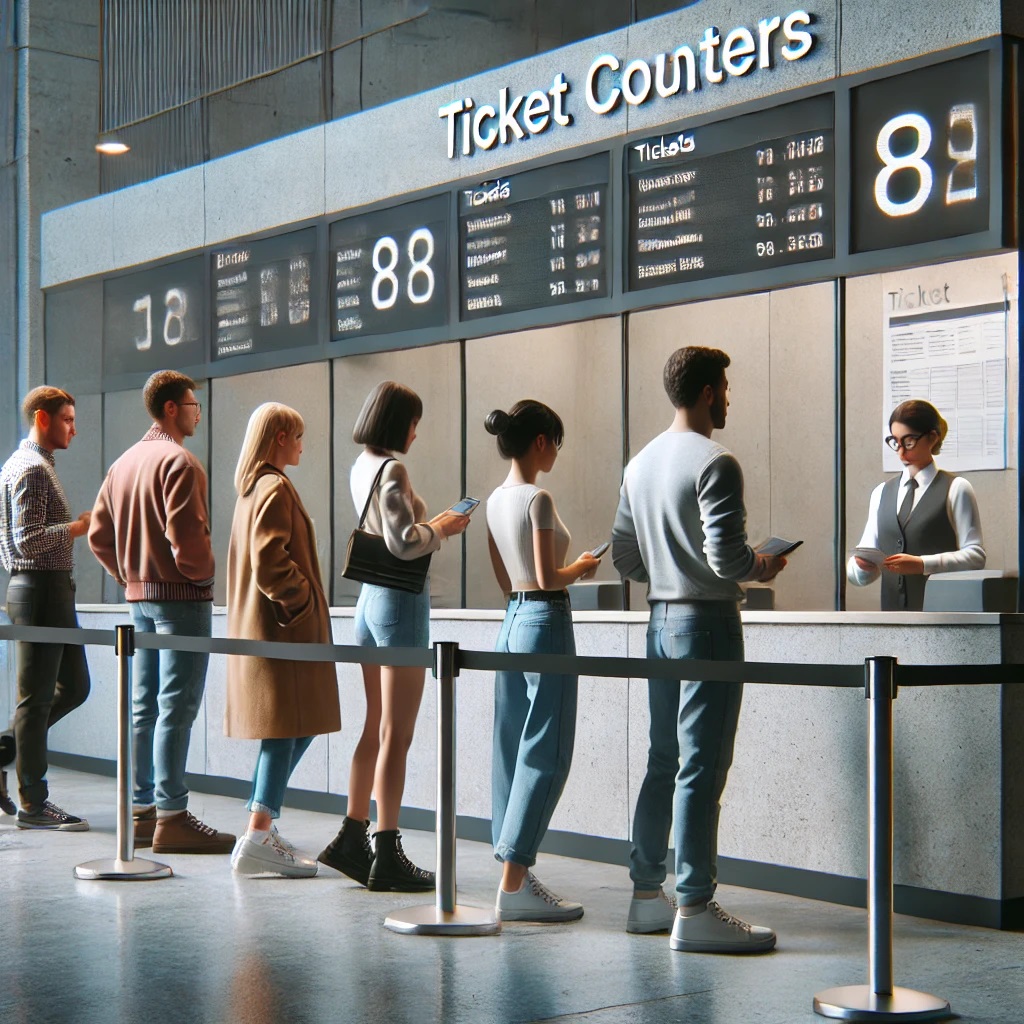
他们正在排队。

They are standing in line. /ðeɪ ɑr ˈstændɪŋ ɪn laɪn/;They’re standing in line. /ðɛr ˈstændɪŋ ɪn laɪn/

他们正在开派对。

They are having a party. /ðeɪ ɑr ˈhævɪŋ ə ˈpɑrti/;They’re having a party. /ðɛr ˈhævɪŋ ə ˈpɑrti/

他们正在自拍。

They are taking selfies. /ðeɪ ɑr ˈteɪkɪŋ ˈsɛlfiz/;They’re taking selfies. /ðɛr ˈteɪkɪŋ ˈsɛlfiz/

他们正在吵架。

They are having a fight. /ðeɪ ɑr ˈhævɪŋ ə faɪt/;They’re having a fight. /ðɛr ˈhævɪŋ ə faɪt/


提示

They’re having fun. (他们玩得很开心) 如果更口语化,可以说 They’re having a blast.(他们玩得很嗨)。

They are having a video chat. 也可以直接说 They’re video chatting.(他们在视频聊天)。

They are standing in line. 是美式英语最常用的表达,指排队;英式英语中更常说 queuingstanding in a queue

They are having a fight. 常用来描述“正在争吵或打架”,特别是在口语中。也可以说 They’re arguing(他们在争论)或 They’re quarreling(他们在吵架),但 having a fight 更口语化。


前往