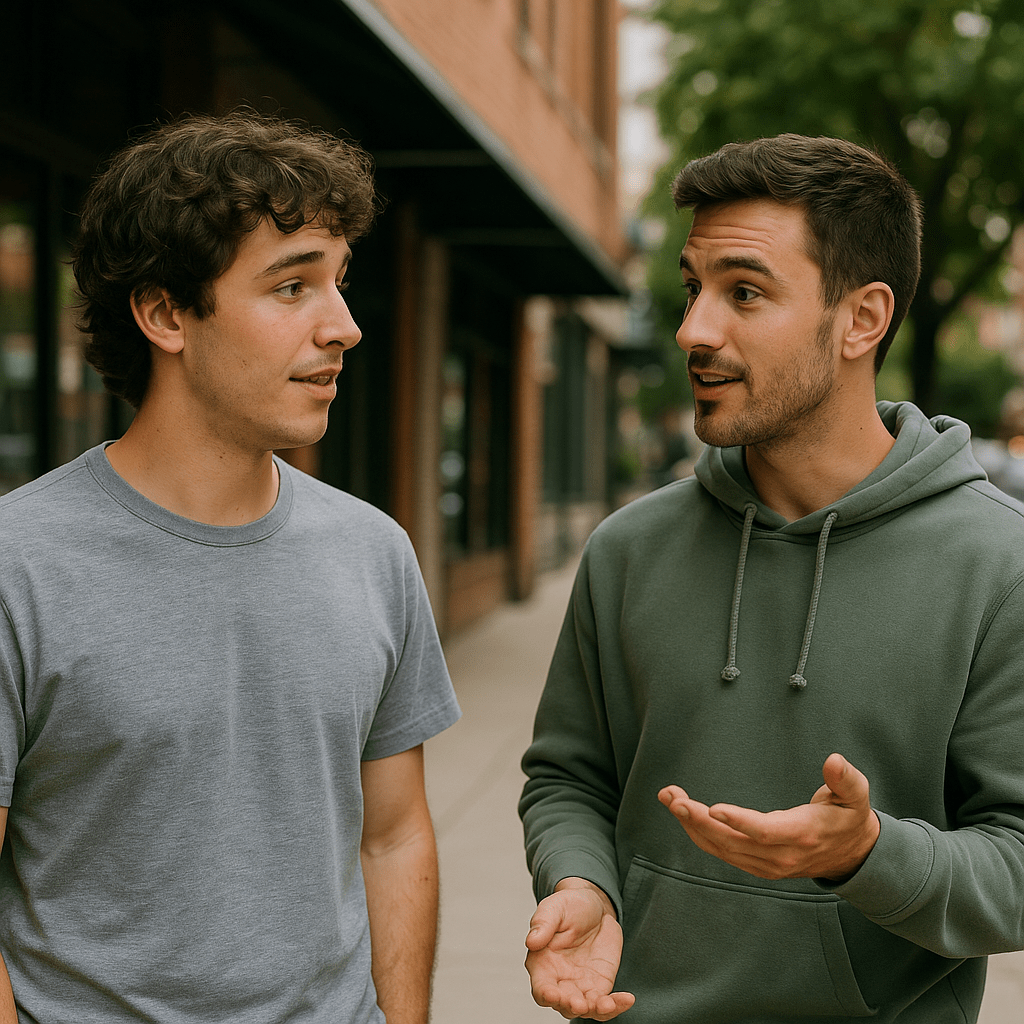
A: Hey, want to grab something to eat? B: Sure, sounds good! A: What do you want to eat? B: Hmm… let me think. A: I kinda feel like Chinese food. B: Oh yeah, that sounds great. A: I know a really good Chinese restaurant. B: Is it far? A: Nah, just 10 minutes from here. B: Do we need a reservation? A: Nope, we can just walk in. B: Cool. Let’s go—I’m starving!
音标+中文
Getting Chinese Food /ˈɡɛtɪŋ tʃaɪˈniz fud/ 去吃中餐
A: Hey, want to grab something to eat? /ˈheɪ | ˈwɑnə ɡræb ˈsʌmθɪŋ tə it?/ 嘿,想去吃点东西吗?
Scene: Two people meet for the first time and start a casual conversation. They introduce themselves and talk about their jobs and where they work.
A: Hi, I’m Alex. Nice to meet you. B: Hi Alex, I’m Jamie. Nice to meet you too.
A: So, what do you do? B: I work in a bookstore.
A: Oh, cool! Do you like it? B: Yeah, it’s pretty nice. I love books.
A: That’s great. Where is the bookstore? B: It’s downtown, near the library.
A: I see. Do you work full-time? B: No, just part-time. About 20 hours a week.
A: That sounds good. I work full-time at a bank. B: Wow, that sounds busy!
A: It is! But I like it.
B: That’s good. Maybe I’ll visit your bank sometime! A: Sure! And I’ll stop by your bookstore too.
音标+中文
Talking About Work /ˈtɔkɪŋ əˈbaʊt wərk/ 聊工作
Scene /sin/:
Two people meet for the first time and start a casual conversation. They introduce themselves and talk about their jobs and where they work. /tu ˈpipəl mit fər ðə ˈfərst taɪm ənd stɑrt ə ˈkæ.ʒu.əl ˌkɑn.vərˈseɪ.ʃən/ /ðeɪ ˌɪn.trəˈdus ðəmˈsɛlvz ənd tɔk əˈbaʊt ðɛr dʒɑbz ənd wer ðeɪ wɜrk/ 两个人第一次见面,开始随意聊天。他们互相介绍,并聊起了各自的工作和工作地点。
Scene: A tourist from Hong Kong is looking at his phone, trying to figure out directions in downtown Kuala Lumpur. A local notices and starts a friendly conversation.
Local: Hey there! Do you need help? Tourist: Oh, yes. Thanks. I think I’m a little lost. Local: No worries! Are you here on vacation? Tourist: Yeah, I’m visiting Malaysia for the first time. Local: That’s awesome! Where are you from? Tourist: I’m from Hong Kong. Local: Welcome! How do you like it so far? Tourist: I love it. The people are really friendly. Local: Glad to hear that. How long are you staying? Tourist: I’m staying for five days. Local: Nice! Be sure to try the local food. Tourist: I had nasi lemak this morning. It was amazing! Local: Haha, that’s a good start. You should also try satay and roti canai. Tourist: Sounds good! I’ll look for them. Local: Enjoy your trip! Tourist: Thanks! Have a great day!
音标+中文
Visiting Malaysia /ˈvɪzɪtɪŋ məˈleɪʒə/ 在马来西亚旅游
Scene /siːn/ 情境 : A tourist from Hong Kong is looking at his phone, trying to figure out directions in downtown Kuala Lumpur. A local notices and starts a friendly conversation. /ə ˈtʊrɪst frəm hɔŋ kɔŋ ɪz ˈlʊkɪŋ ət ɪz foʊn/ /ˈtraɪɪŋ tə ˈfɪɡjər aʊt dəˈrɛkʃənz ɪn ˈdaʊnˌtaʊn ˈkuələ ləmˈpʊr/ /ə ˈloʊkəl ˈnoʊtəsɪz ən stɑrts ə ˈfrɛndli ˌkɑnvərˈseɪʃən/ 🇨🇳 一位来自香港的游客正在看手机,想弄清楚在吉隆坡市中心的方向。一位当地人注意到了他,并开始了一段友好的对话。
Local: Hey there! Do you need help? /ˈheɪ ðɛr/ /də jə nid hɛlp/ 嗨!你需要帮忙吗?
Tourist: Oh, yes. Thanks. I think I’m a little lost. /oʊ jɛs θæŋks/ /aɪ θɪŋk aɪm ə ˈlɪt̬l lɔst/ 哦,是的,谢谢你。我想我有点迷路了。
Local: No worries! Are you here on vacation? /noʊ ˈwəriz/ /ər jə hɪr ɔn veɪˈkeɪʃən/ 没关系!你是来度假吗?
Tourist: Yeah, I’m visiting Malaysia for the first time. /jæ/ /aɪm ˈvɪzɪtɪŋ məˈleɪʒə fər ðə fɜrst taɪm/ 是的,我第一次来马来西亚。
Local: That’s awesome! Where are you from? /ðæts ˈɔsəm/ /wɛr ər jə frəm/ 太棒了!你来自哪里?
Tourist: I’m from Hong Kong. /aɪm frəm hɔŋ kɔŋ/ 我来自香港。
Local: Welcome! How do you like it so far? /ˈwɛlkəm/ /haʊ də jə laɪk ɪt soʊ fɑr/ 欢迎!你目前感觉如何?
Tourist: I love it. The people are really friendly. /aɪ lʌv ɪt/ /ðə ˈpipəl ər ˈrɪli ˈfrɛndli/ 我很喜欢这里。人们非常友善。
Local: Glad to hear that. How long are you staying? /ɡlæd tə hɪr ðæt/ /haʊ lɔŋ ər jə ˈsteɪɪŋ/ 听到你这么说很高兴。你会待多久?
Tourist: I’m staying for five days. /aɪm ˈsteɪɪŋ fər faɪv deɪz/ 我会待五天。
Local: Nice! Be sure to try the local food. /naɪs/ /bi ʃʊr tə traɪ ðə ˈloʊkəl fud/ 很好!一定要尝尝本地美食。
Tourist: I had nasi lemak this morning. It was amazing! /aɪ hæd ˈnɑsi ləˈmɑk ðɪs ˈmɔrnɪŋ/ /ɪt wəz əˈmeɪzɪŋ/ 我今天早上吃了椰浆饭。真是太好吃了!
Local: Haha, that’s a good start. You should also try satay and roti canai. /ˈhɑˌhɑ/ /ðæts ə ɡʊd stɑrt/ /jə ʃəd ˈɔlsoʊ traɪ səˈteɪ ənd ˈroʊti tʃɑˈnaɪ/ 哈哈,那是个不错的开始。你还应该试试沙爹和印度煎饼。
A: Hey, I’m thinking about getting a dog. B: Really? That’s cool! A: I’ve never had one. Is it hard to take care of a dog? B: Not really. But you need to spend some time with it. A: How many times do you feed your dog? B: I feed him twice a day—morning and evening. A: Do you walk him every day? B: Yes, usually in the evening. A: What about baths? B: I give him a bath once every week or two. A: Sounds okay. I think I can do that. B: You’ll love it. Dogs are great friends. A: Thanks! I’ll let you know if I get one. B: Sure! I’ll be happy to help.
音标+中文
Getting a Dog /ˈɡɛtɪŋ ə dɔɡ/ 养狗
A: Hey, I’m thinking about getting a dog. /hɛɪ | aɪm ˈθɪŋkɪŋ əˌbaʊt ˈɡɛtɪŋ ə dɔɡ/ 嘿,我在考虑养只狗。
A: Hey, do you have any plans for the weekend? B: Not really. Why? A: I was thinking maybe we could go out. B: Go out? Where? A: Maybe grab dinner, walk around the mall, and watch a movie. B: Sounds fun, but I kind of want to stay home this weekend. A: Really? Why? B: I just feel tired. I want to relax, maybe cook something, and watch TV. A: Hmm, that does sound nice too. Maybe we can do something simple. B: Yeah, how about you come over and we cook together? A: I like that! Let’s do it.
音标+中文
Weekend Plans /ˈwiˌkɛnd plænz/ 周末计划
A: Hey, do you have any plans for the weekend? /heɪ də jə hæv əni plænz fər ðə ˈwiˌkɛnd/ 嘿,你周末有什么计划吗?
B: Not really. Why? /nɑt ˈrɪəli waɪ/ 没什么特别的。怎么了?
A: I was thinking maybe we could go out. /aɪ wəz ˈθɪŋkɪŋ ˈmeɪbi wi kəd ɡoʊ aʊt/ 我在想我们或许可以出去走走。
B: Go out? Where? /ɡoʊ aʊt wɛr/ 去哪儿?
A: Maybe grab dinner, walk around the mall, and watch a movie. /ˈmeɪbi ɡræb ˈdɪnər wɔk əˈraʊnd ðə mɔl ənd wɑtʃ ə ˈmuvi/ 可以吃个晚饭,逛逛商场,再看场电影。
B: Sounds fun, but I kind of want to stay home this weekend. /saʊndz fʌn bət aɪ ˈkaɪnə wɑnə steɪ hoʊm ðɪs ˈwiˌkɛnd/ 听起来不错,但我这周末其实想待在家。
A: Really? Why? /ˈrɪəli waɪ/ 真的?为什么?
B: I just feel tired. I want to relax, maybe cook something, and watch TV. /aɪ dʒəst fil ˈtaɪərd aɪ wɑnə rɪˈlæks ˈmeɪbi kʊk ˈsʌmθɪŋ ənd wɑtʃ ˌtiˈvi/ 我就是觉得有点累,想放松一下,做点吃的,看看电视。
A: Hmm, that does sound nice too. Maybe we can do something simple. /hm ðæt dəz saʊnd naɪs tu ˈmeɪbi wi kən du ˈsɪmpəl/ 嗯,这样听起来也不错。也许我们可以做点轻松的事。
B: Yeah, how about you come over and we cook together? /jæ haʊ əˈbaʊt jə kəm ˈoʊvər ənd wi kʊk təˈɡɛðər/ 好啊,不如你来我家,我们一起做饭?
A: I like that! Let’s do it. /aɪ laɪk ðæt lɛts du ɪt/ 我喜欢这个主意!我们就这么做吧!
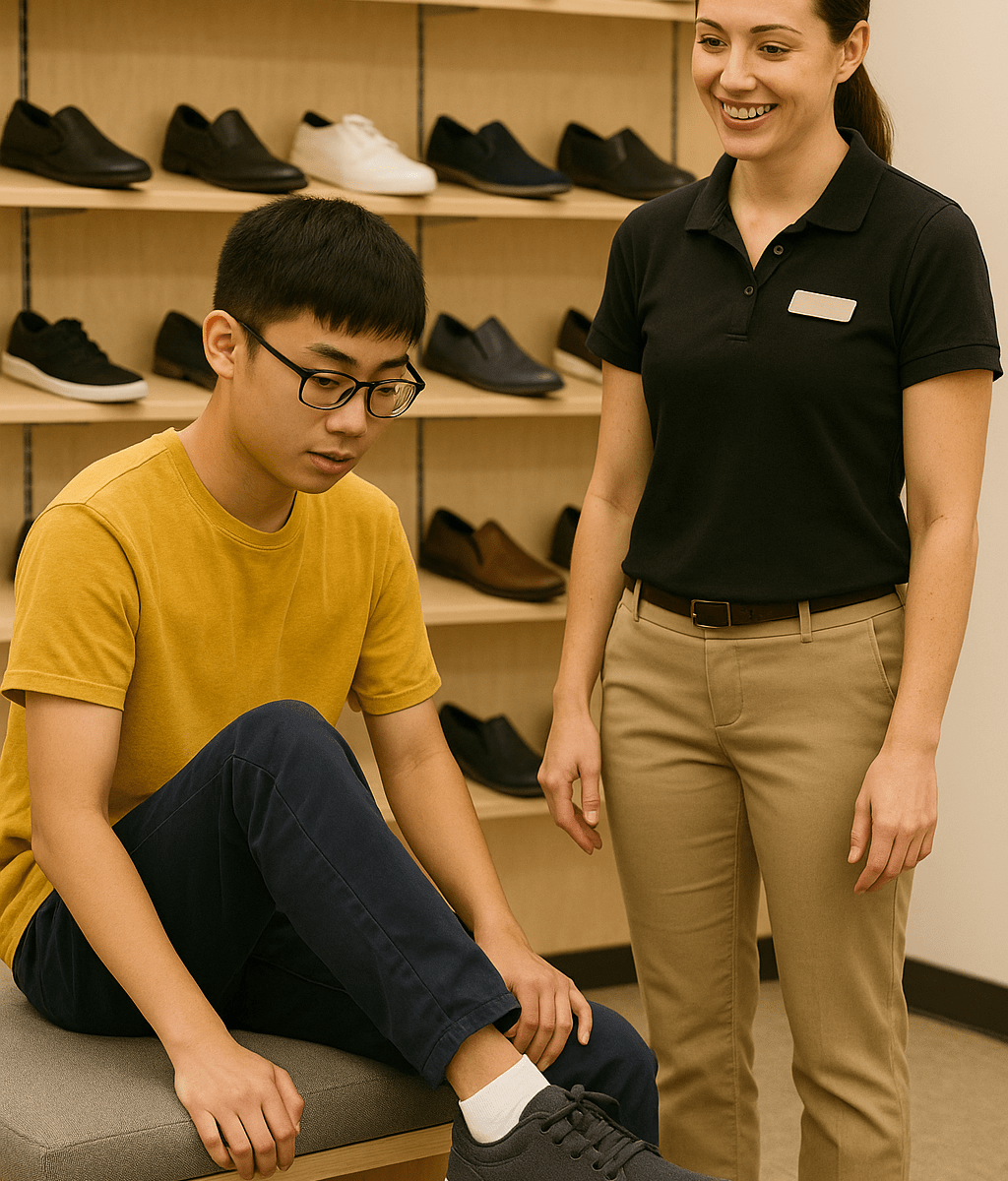
Salesperson: Hi there! Can I help you? Customer: Yes, I’m looking for some shoes. Salesperson: What kind of shoes do you need? Customer: I need sneakers. Something simple. Salesperson: What size do you wear? Customer: Size 8. Salesperson: Okay, let me check. Here you go. Do you want to try them on? Customer: Yes, please. They’re nice, but a little tight. Salesperson: Would you like to try a bigger size? Customer: Yes. Do you have a size 9? Salesperson: Let me see… Yes, here it is. Customer: Thanks. These feel much better. Salesperson: Great! Do you like them? Customer: Yes, I’ll take this pair. Salesperson: Perfect. Let me ring that up for you.
Doctor: Hi, how can I help you today? Patient: Hi, I’m not feeling well. Doctor: What’s wrong? Patient: I think I have a cold. Doctor: Do you have a fever? Patient: Yes, a little. Doctor: Do you have a cough? Patient: Yes, and a sore throat. Doctor: How long have you been sick? Patient: About three days. Doctor: I see. I’ll check your temperature. Patient: Okay. Doctor: You have a mild fever. I’ll give you some medicine. Patient: Thank you, doctor. Doctor: You’re welcome. Get some rest and drink lots of water. Patient: I will. Thanks again!
音标+中文
At the Doctor’s Office /æt ðə ˈdɑktərz ˈɔfɪs/ 在诊所
Doctor:Hi, how can I help you today? /hɑɪ | haʊ kən aɪ hɛlp ju təˈdeɪ/ 你好,我今天能帮你什么忙?
A: Hi, I have a reservation. B: Great! May I have your name, please? A: It’s John Miller. B: Let me check. Yes, I found your booking. A: I booked a room online. B: Yes, I see. One queen bed for two nights, right? A: Yes, that’s right. B: Can I see your ID and credit card, please? A: Here you go. B: Thank you. Here’s your room key. You’re in room 305. A: Thanks! B: Enjoy your stay!
音标+中文
Checking In at a Hotel /ˈʧɛkɪŋ ɪn æt ə hoʊˈtɛl/ 办理酒店入住
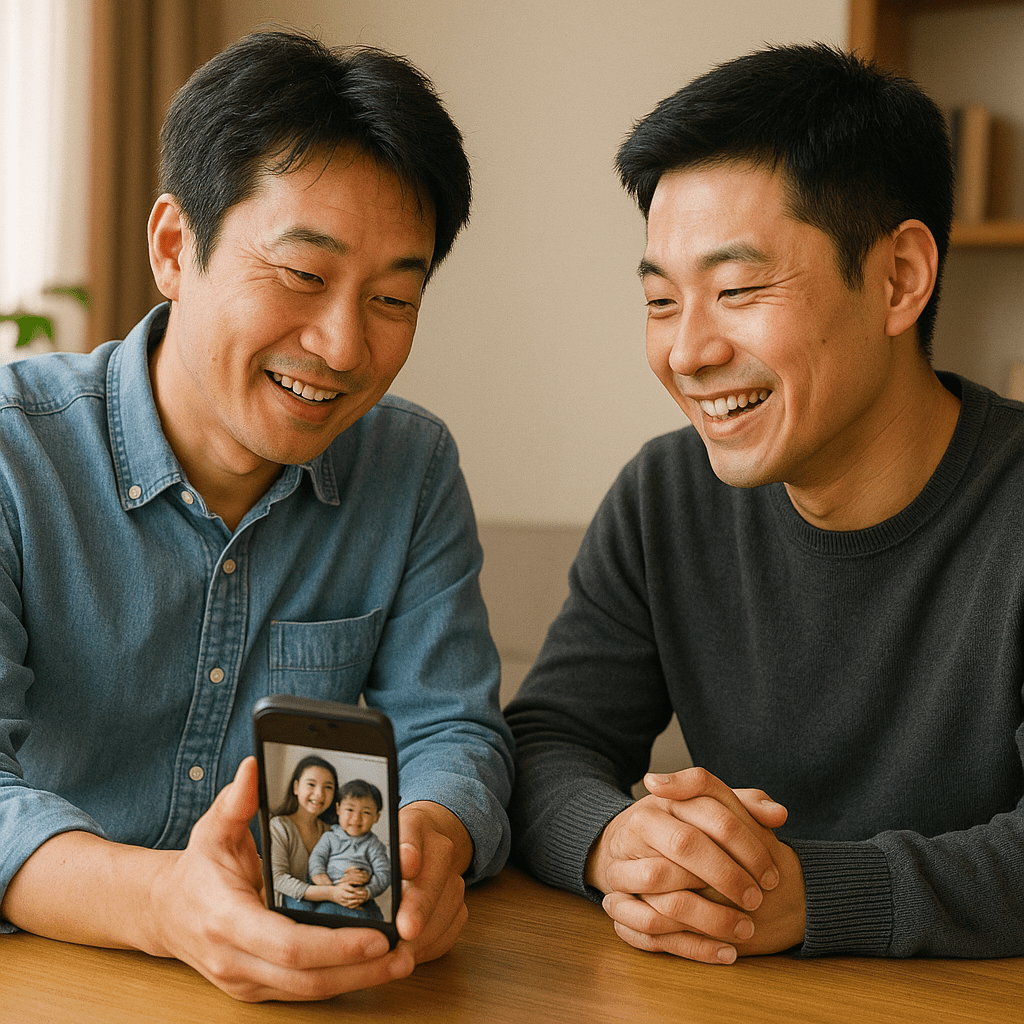
A: Hey, do you have a family? B: Yeah, I’m married. A: That’s nice! Any kids? B: Yes, I have a son. He’s two years old. A: Wow, that’s awesome. B: Thanks. What about you? A: I’m not married yet. B: Oh, I see. A: Maybe one day. B: Yeah, no hurry.
音标+中文
Talking About Family /ˈtɔkɪŋ əˌbaʊt ˈfæməli/ 聊家庭
A: Hey, do you have a family? /ˈheɪ də ju hæv ə ˈfæməli/ 嘿,你有家庭吗? 🔸 弱读:have a → /həvə/
B: Yeah, I’m married. /jæ aɪm ˈmærid/ 是的,我结婚了。
A: That’s nice! Any kids? /ðæts naɪs ˈɛni kɪdz/ 真不错!有孩子吗?
B: Yes, I have a son. He’s two years old. /jɛs aɪ həv ə sʌn. hiz tu jɪrz oʊld/ 有的,我有一个儿子。他两岁了。 🔸 弱读:have a → /həvə/, He’s → /hiz/
A: Wow, that’s awesome. /waʊ ðæts ˈɔsəm/ 哇,真棒啊!
B: Thanks. What about you? /θæŋks. wʌt əˈbaʊt ju/ 谢谢。你呢? 🔸 弱读:What about you → /wədəˈbaʊtʃu/(口语连读常见)
A: I’m not married yet. /aɪm nɑt ˈmærid jɛt/ 我还没结婚。







 英语口语陪练