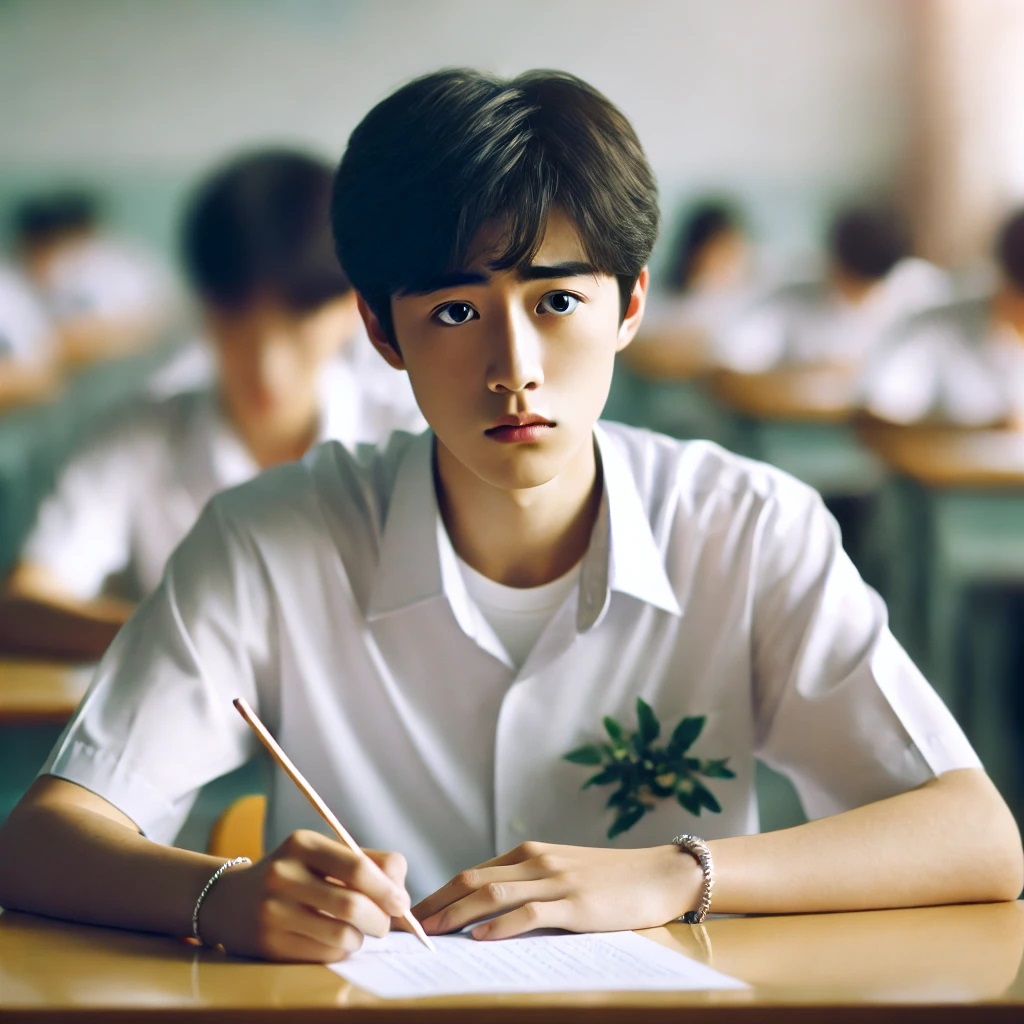
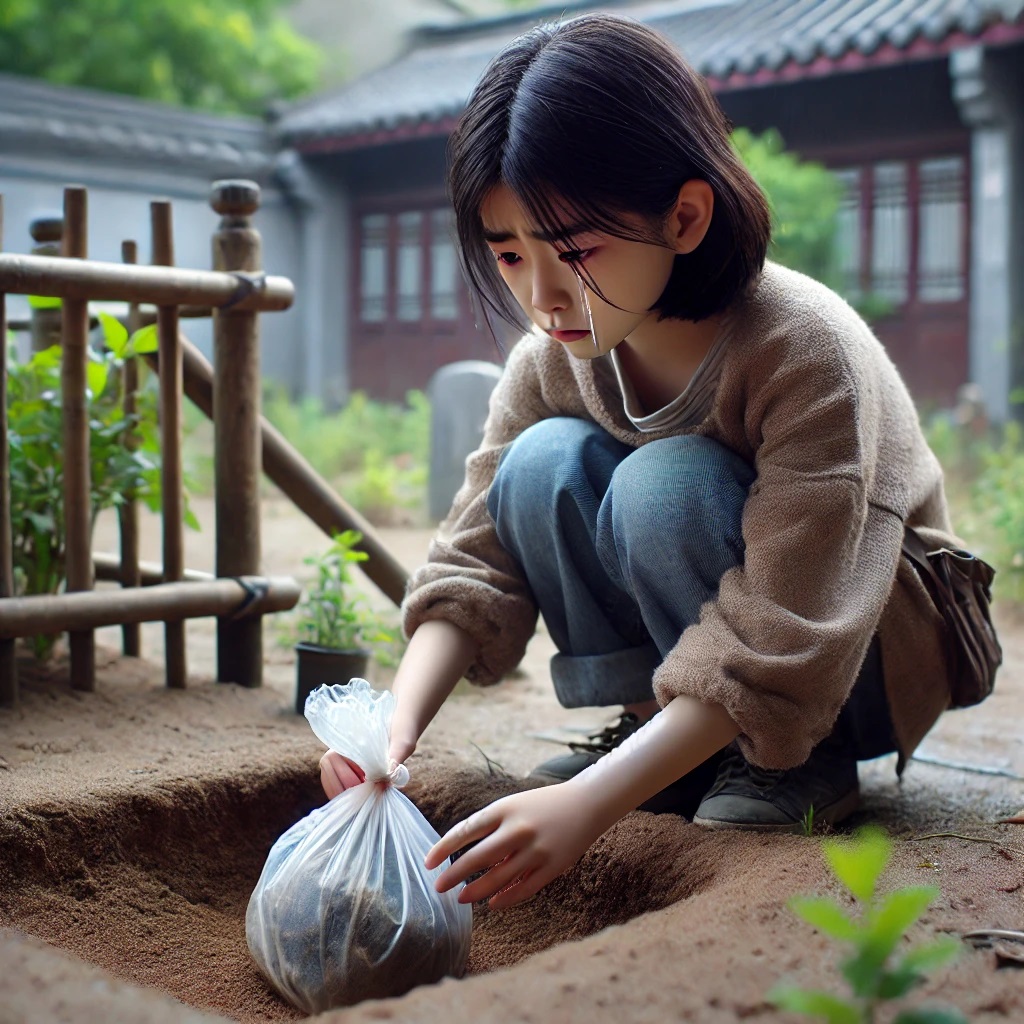
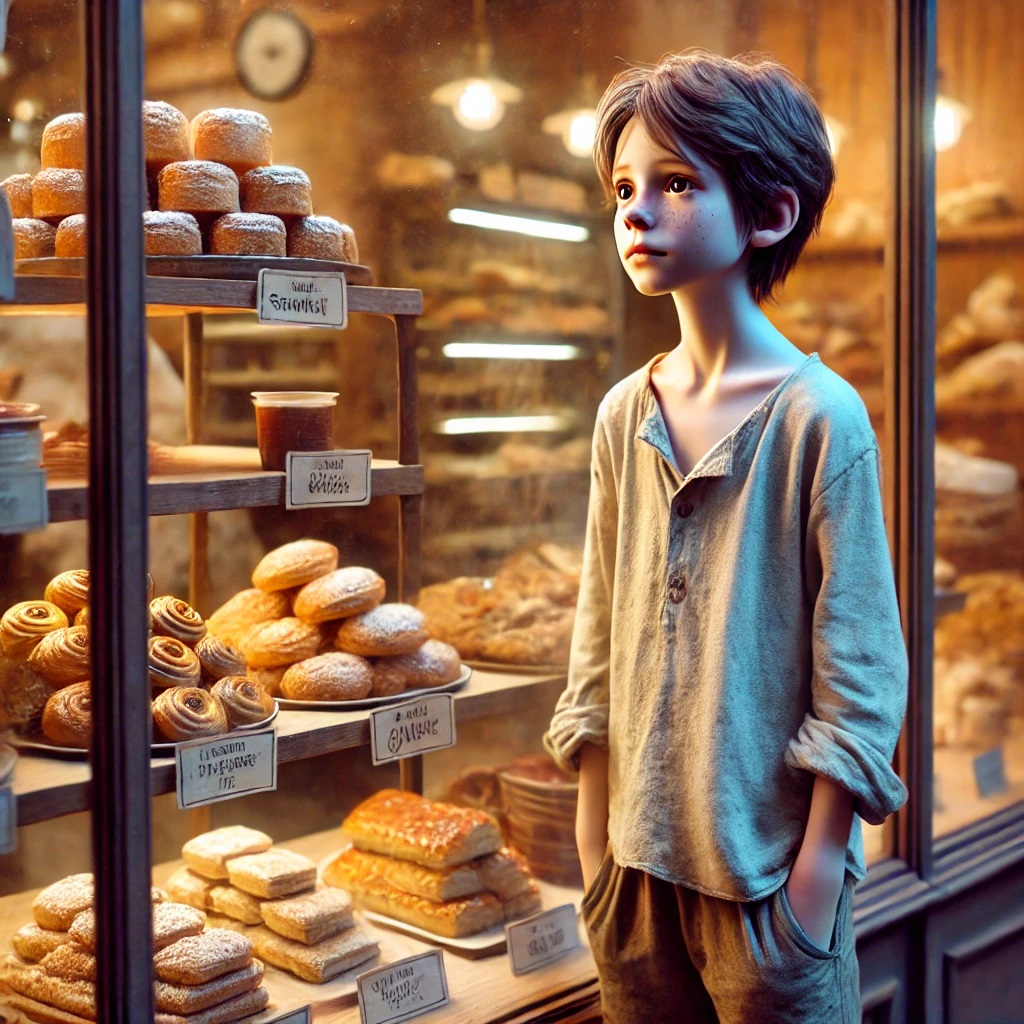
I am; We are(1)


词汇

American /əˈmɛrɪkən/ 美国人;美国的;
Chinese /ˌtʃaɪˈniz/ 中国人;中国的;
Indian /ˈɪndiən/ 印度人;印度的;
Japanese /ˌdʒæpəˈniz/ 日本人;日本的;
Korean /kəˈriən/ 韩国人;韩国的;
Malaysian /məˈleɪʒən/ 马来西亚人;马来西亚的;


看图

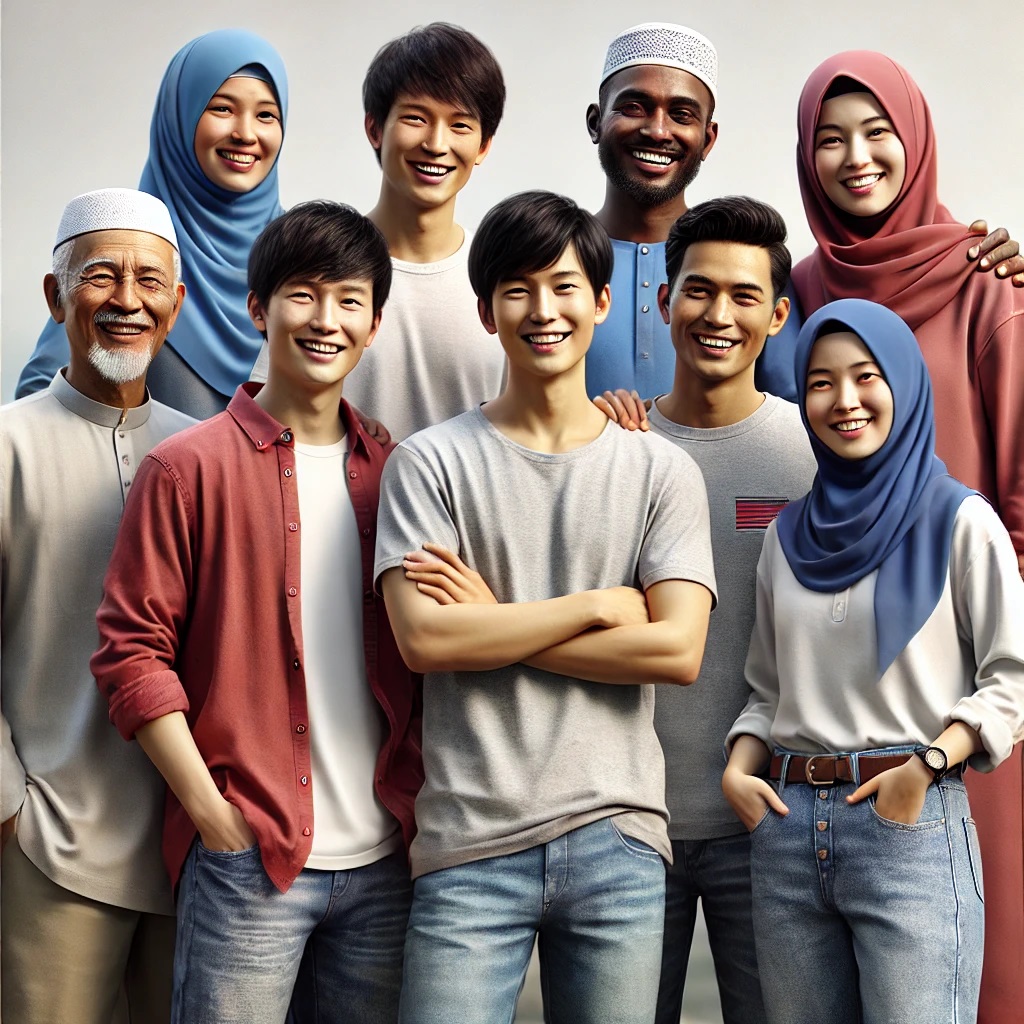
看图造句,用代词 I 或 we ,be动词 am 或 are,和词汇提供的单词造句。

我们是马来西亚人。
答案

We are Malaysians. / We’re Malaysians. (wi ɑr məˈleɪʒənz / wɪr məˈleɪʒənz)

我们是中国人。

答案

We are Chinese. / We’re Chinese. (wi ɑr ˌtʃaɪˈniz / wɪr ˌtʃaɪˈniz)

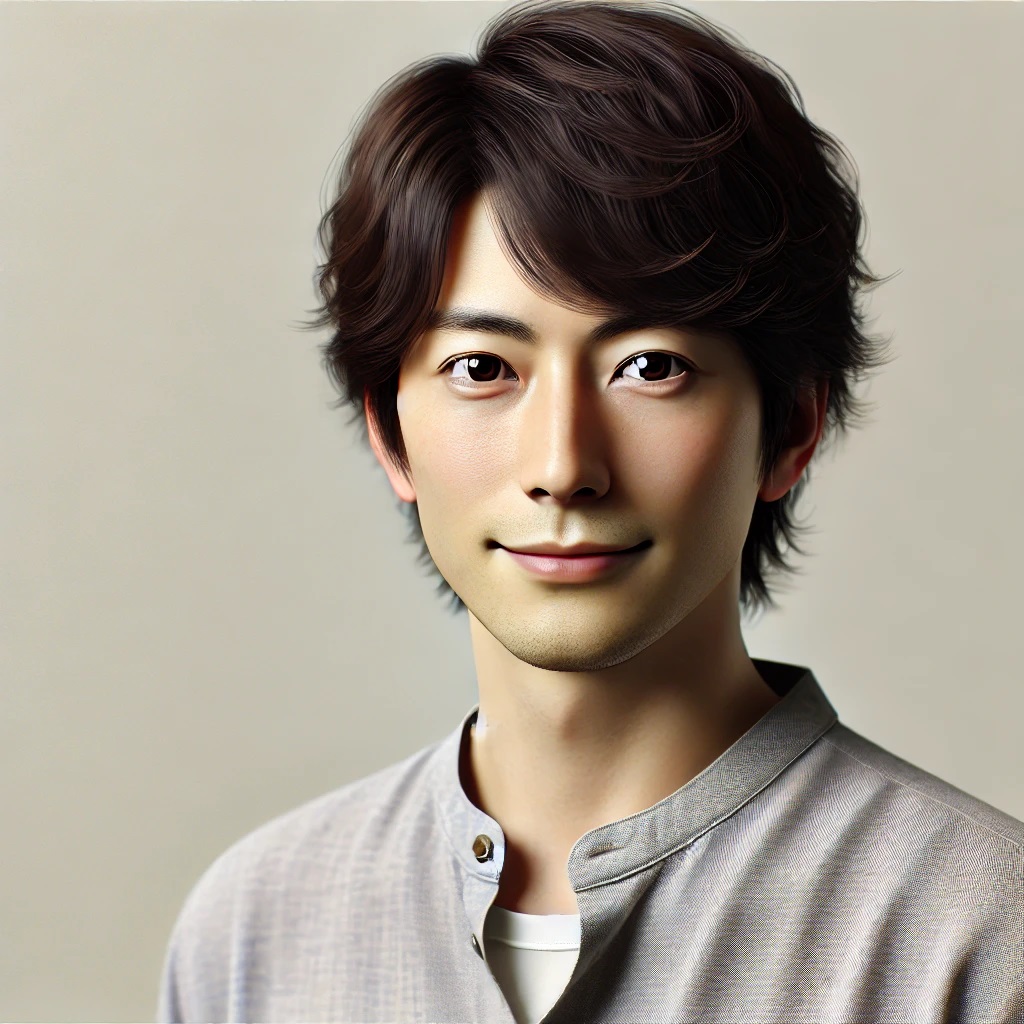
我是日本人。
答案

I am Japanese. / I’m Japanese. (aɪ æm ˌdʒæpəˈniz / aɪm ˌdʒæpəˈniz)

我是韩国人。

答案

I am Korean. / I’m Korean. (aɪ æm kəˈriən / aɪm kəˈriən)

我们是美国人。

答案

We are Americans. / We’re Americans. (wi ɑr əˈmɛrɪkənz / wɪr əˈmɛrɪkənz)

我是印度人。

答案

I am Indian. / I’m Indian. (aɪ æm ˈɪndiən / aɪm ˈɪndiən)


提示

Malaysian, American, Indian 和 Korean 的复数形式需要加 s:Malaysians,Americans,Indians 和 Koreans;

Chinese 和 Japanese 的复数形式不加 s:Chinese 和 Japanese。


前往

he/she/it is; they are(2)


词汇

beautiful /ˈbjutəfl/ 美丽的;
cute /kjut/ 可爱的;
handsome /ˈhænsəm/ 英俊的;
old /oʊld/ 年老的;
playful /ˈpleɪfəl/ 爱玩耍的;
young /jʌŋ/ 年轻的;


看图

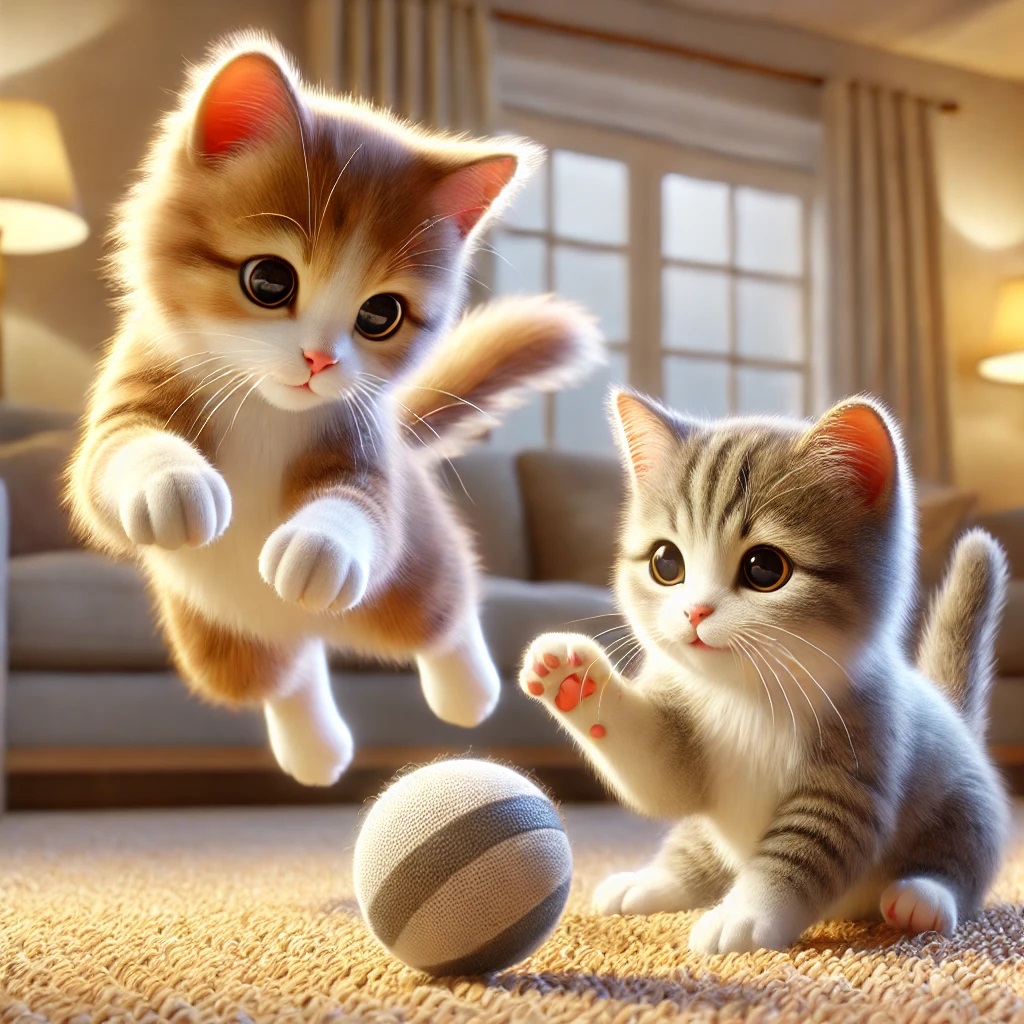
看图造句,用代词 he、she、it 或 they ,be动词 is 或 are,和词汇提供的单词造句。

它们很美丽。

答案

They are beautiful. (ðeɪ ɑr ˈbjutəfl)/ They’re beautiful.(ðeɪr ˈbjutəfl)

它很可爱。

答案

It is cute.(ɪt ɪz kjut)/ It’s cute.(Its kjut)

它们很爱玩。

答案

They are playful. (ðeɪ ɑr ˈpleɪfl)/ They’re playful.(ðeɪr ˈpleɪfl)

她很年轻。

答案

She is young.(ʃi ɪz jʌŋ)/ She’s young.(ʃiz jʌŋ)

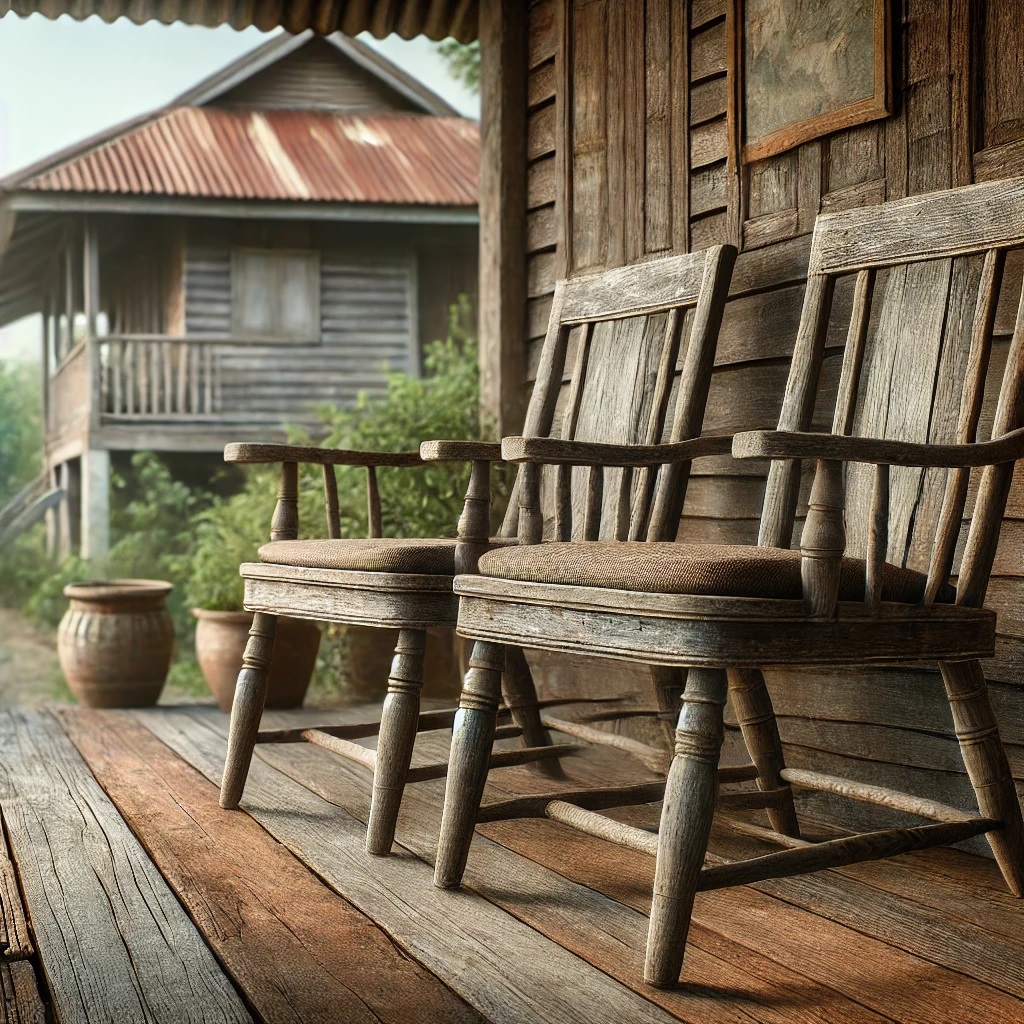
它们很旧了。

答案

They are old.(ðeɪ ɑr oʊld) / They’re old.(ðɛr oʊld)

他很英俊。

答案

He is handsome.(hi ɪz ˈhænsəm)/ He’s handsome.(hiz ˈhæn.səm)


提示

Old 有两个含义:老的旧的


前往

he/she/it is; they are(1)


词汇

married (ˈmærid) 已婚的;
new (nu) 新的;
old (oʊld) 老的;
pretty (ˈprɪti) 漂亮的;
sick (sɪk) 生病的;
tall (tɔl) 高的;


看图

看图造句,用代词 he、she、it 或 they ,be动词 is 或 are,和词汇提供的单词造句。

他老了。

答案

He is old. (hi ɪz oʊld)/ He’s old.(hiz oʊld)

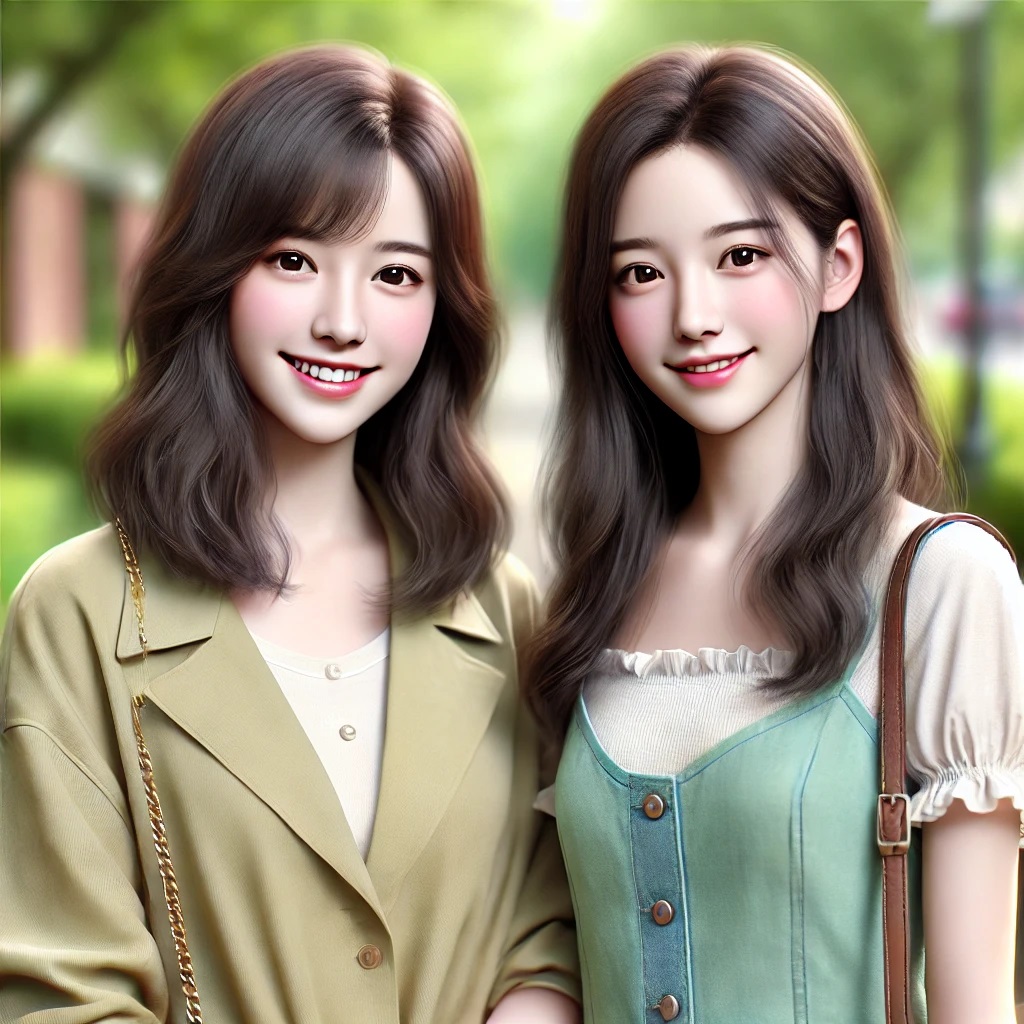
她们很漂亮。

答案

They are pretty. (ðeɪ ɑr ˈprɪti)/ They’re pretty.(ðeɪr ˈprɪti)

它是新的。

答案

It is new. (ɪt ɪz nu)/ It’s new.(ɪts nu)

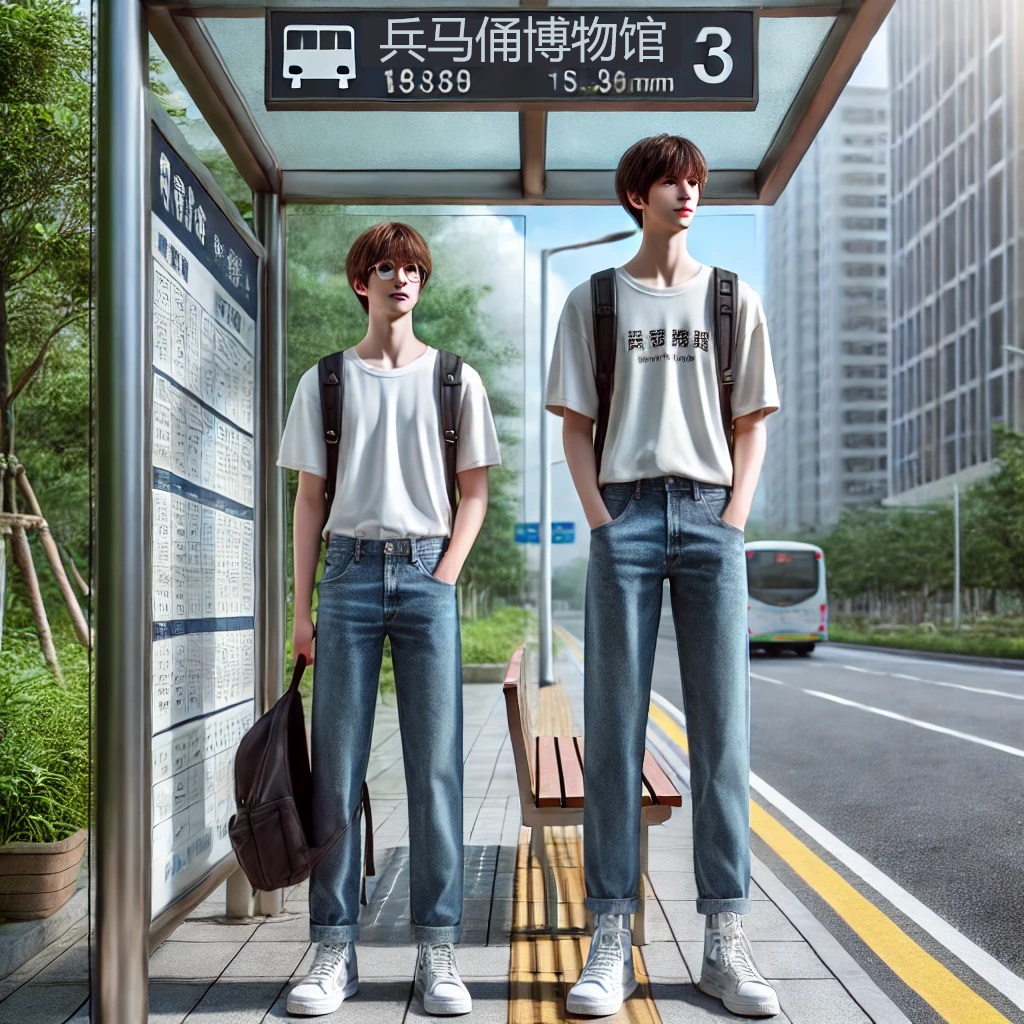
他们很高。

答案

They are tall. (ðeɪ ɑr tɔl)/ They’re tall.(ðeɪr tɔl)

她病了。

答案

She is sick. (ʃi ɪz sɪk)/ She’s sick.(ʃiz sɪk)

他们结婚了。

答案

They are married. (ðeɪ ɑr ˈmærid)/ They’re married.(ðeɪr ˈmærid)


提示

Sickill

在英美英语中,“sick”和“ill”都可以表示“生病的”。

在美式英语中:
sick 是更常用的词,普遍用于描述身体不适或生病的情况。
例如:
I feel sick. (我感觉不舒服/恶心。)
She is sick with the flu. (她得了流感。)
ill 虽然也表示生病,但在美式英语中使用较少,通常在更正式的场合或书面语中出现。
例如:
He is seriously ill. (他病得很重。)

在英式英语中
ill 是更常用的词,尤其是在描述生病的状态时。
例如:
She has been ill for days. (她病了好几天了。)
sick 则更常用于表示恶心、想吐的状态,而非普遍的“生病”。
例如:
I feel sick after the meal. (我吃完饭后感觉想吐。)
The child was sick on the floor. (孩子在地板上吐了。)


前往

he/she/it is(2)


词汇

angry (ˈæŋɡri) 生气的;
bored (bɔrd) 无聊的;
calm (kɑm) 镇定的;
happy (ˈhæpi) 高兴的;
sad (sæd) 伤心的;
worried (ˈwərid) 担心的;


看图

看图造句,用代词 he、she 或 it,和上面的词汇造句。

他很担心。

答案

He is worried.(hi ɪz ˈwərid) / He’s worried. (hiz ˈwərid)

它很高兴。

答案

It is happy. (ɪt ɪz ˈhæpi)/ It’s happy.(ɪts ˈhæpi)

她很伤心。

答案

She is sad. (ʃi ɪz sæd)/ She’s sad.(ʃiz sæd)

它很生气。

答案

It is angry. (ɪt ɪz ˈæŋɡri)/ It’s angry.(ɪts ˈæŋɡri)

他很无聊。

答案

He is bored. (hi ɪz bɔrd)/ He’s bored.(hiz bɔrd)

她很镇定。

答案

She is calm. (ʃi ɪz kɑm)/ She’s calm.(ʃiz kɑm)


提示

Bored boring

bored:感到无聊的;形容人的感受。
例:I am bored. 我感到无聊。

boring:令人感到无聊的;形容事物或人让人感到无聊。
例:This book is boring. 这本书很无聊。(看了令人感到无聊)


前往

he/she/it is(1)


词汇

busy (ˈbɪzi) 忙碌的;
excited (ɪkˈsaɪtɪd) 兴奋的;
friendly (ˈfrɛndli) 友好的;
hungry (ˈhʌŋɡri) 饥饿的;
nervous (ˈnərvəs) 紧张的;
scared (skɛrd) 害怕的;


看图

看图造句,用代词 he、she 或 it,和上面的词汇造句。

它很害怕。

答案

It is scared. (ɪt ɪz skɛrd)/ It’s scared.(ɪts skɛrd)

她很忙。

答案

She is busy. (ʃi ɪz ˈbɪzi)/ She’s busy.(ʃiz ˈbɪzi)

他很兴奋。

答案

He is excited. (hi ɪz ɪkˈsaɪtɪd)/ He’s excited.(hiz ɪkˈsaɪtɪd)

她很紧张。

答案

She is nervous. (ʃi ɪz ˈnɜrvəs) / She’s nervous.(ʃiz ˈnɜrvəs)

它很友好。

答案

It is friendly. (ɪt ɪz ˈfrɛndli)/ It’s friendly.(ɪts ˈfrɛndli)

他很饿。

答案

He is hungry. (hi ɪz ˈhʌŋɡri)/ He’s hungry.(hiz ˈhʌŋɡri)


提示

Excited exciting

Excited:感到兴奋、激动;人感受到的情绪,
例:I am excited. 我感到兴奋。

Exciting:令人兴奋的;事物让人感到兴奋,
例:The game is exciting. 这游戏令人感到兴奋。(让玩这游戏的人感到兴奋)


前往