现在进行时→过去进行时(1)

现在进行时的句子改为过去进行时

例① :I am watching TV. (/aɪ əm ˈwɑtʃɪŋ ˌtiˈvi/ 我正在看电视。)
I was watching TV.(/aɪ wəz ˈwɑtʃɪŋ ˌtiˈvi/ 我那时正在看电视。)

例②:He is doing his homework.(/hi ɪz ˈduɪŋ hɪz ˈhoʊmˌwərk/ 他正在做作业。)
 He was doing his homework.(/hi wəz ˈduɪŋ ɪz ˈhoʊmˌwərk/ 他那时正在做作业。)

练习


1. She is cooking dinner.(/ʃi ɪz ˈkʊkɪŋ ˈdɪnər/ 她正在做晚饭。)

答案

She was cooking dinner.(/ʃi wəz ˈkʊkɪŋ ˈdɪnər/ 她那时正在做晚饭。)


2. It is raining.(/ɪt ɪz ˈreɪnɪŋ/ 正在下雨。)

答案

It was raining.(/ɪt wəz ˈreɪnɪŋ/ 当时正在下雨。)


3. He is driving to work.(/hi ɪz ˈdraɪvɪŋ tə wərk/ 他正在开车上班。)

答案

He was driving to work.(/hi wəz ˈdraɪvɪŋ tə wərk/ 他当时正在开车上班。)


4. I am having lunch.(/aɪ əm ˈhævɪŋ lʌntʃ/ 我正在吃午饭。)

答案

I was having lunch.(/aɪ wəz ˈhævɪŋ lʌntʃ/ 我那时正在吃午饭。)


5. It is sleeping.(/ɪt ɪz ˈslipɪŋ/ 它正在睡觉。)

答案

It was sleeping.(/ɪt wəz ˈslipɪŋ/ 它那时正在睡觉。)


6. She is listening to music.(/ʃi ɪz ˈlɪsənɪŋ tə ˈmjuzɪk/ 她正在听音乐。)

答案

She was listening to music.(/ʃi wəz ˈlɪsənɪŋ tə ˈmjuzɪk/ 她那时正在听音乐。)


7. I am cleaning my room.(/aɪ əm ˈklinɪŋ maɪ rum/ 我正在打扫我的房间。)

答案

I was cleaning my room.(/aɪ wəz ˈklinɪŋ maɪ rum/ 我当时正在打扫房间。)


8. He is playing the guitar.(/hi ɪz ˈpleɪɪŋ ðə ɡɪˈtɑr/ 他在弹吉他。)

答案

He was playing the guitar.(/hi wəz ˈpleɪɪŋ ðə ɡɪˈtɑr/ 他当时正在弹吉他。)
一般过去时→现在完成时

一般过去时句子改为现在完成时句子。

例① :I went home. /aɪ wɛnt hoʊm/ 我回家了。
I have gone home. (/aɪ həv ɡɔn hoʊm/)

例②:She did the housework. /ʃi dɪd ðə ˈhaʊsˌwərk/ 她做了家务。
She has done the housework. (/ʃi həz dʌn ðə ˈhaʊsˌwərk/)

把这些动词的过去式和过去分词学会(原形 – 过去式 – 过去分词):
go – went – gone (去)
do – did – done (做)
buy – bought – bought (买)
sell – sold – sold (卖)
break – broke – broken (打破)
see – saw – seen (看)
drink – drank – drunk (喝)
find – found – found (找到)
eat – ate – eaten (吃)

练习


1. I bought a smartphone. /aɪ bɔt ə ˈsmɑrtˌfoʊn/ 我买了一部智能手机。

答案

I have bought a smartphone. (/aɪ həv bɔt ə ˈsmɑrtˌfoʊn/)


2. We sold our car. /wi soʊld ɑr kɑr/ 我们卖了车。

答案

We have sold our car. (/wi həv soʊld ɑr kɑr/)


3. They went to the mall. /ðeɪ wɛnt tə ðə mɔl/ 他们去了商场。

答案

They have gone to the mall. (/ðeɪ həv ɡɔn tə ðə mɔl/)


4. She broke the glass. /ʃi broʊk ðə ɡlæs/ 她打碎了玻璃。

答案

She has broken the glass. (/ʃi həz ˈbroʊkən ðə ɡlæs/)


5. You saw the movie. /ju sɔ ðə ˈmuvi/ 你看了那部电影。

答案

You have seen the movie. (/ju həv sin ðə ˈmuvi/)


6. I drank some milk. /aɪ dræŋk səm mɪlk/ 我喝了一些牛奶。

答案

I have drunk some milk. (/aɪ həv drʌŋk səm mɪlk/)


7. He found his key. /hi faʊnd ɪz ki/ 他找到了他的钥匙。

答案

He has found his key. (/hi həz faʊnd ɪz ki/)


8. It ate a banana. /ɪt eɪt ə bəˈnænə/ 它吃了一根香蕉。

答案

It has eaten a banana. (/ɪt həz ˈitən ə bəˈnænə/)

一般现在时/一般过去时/一般将来时

把一般现在时的句子改为
❶ 一般过去时
❷ 一般将来时

例① :I brush my teeth every day. (我每天刷牙。)
❶ I brushed my teeth yesterday. (我昨天刷了牙。)
❷ I will brush my teeth tomorrow. (我明天会刷牙。)

例②:He reads the newspaper every day. (他每天看报纸。)
❶ He read the newspaper yesterday. (他昨天看了报纸。)
❷ He will read the newspaper tomorrow. (他明天会看报纸。)

把这些动词的过去式学会(原形动词 – 过去式动词):
go – went
take – took
read – read /rɛd/
watch – watched /wɑtʃt/
listen – listened /ˈlɪsnd/
walk – walked /wɔkt/
feed – fed

练习

1. They take the bus every day. (/ ðeɪ teɪk ðə bʌs ˈɛvri deɪ / 他们每天坐公交。)

答案

❶ They took the bus yesterday. ❷ They will take the bus tomorrow.


2. I read the news every day. (/ aɪ rid ðə nuz ˈɛvri deɪ / 我每天看新闻。)

答案

❶ I read the news yesterday. ❷ I will read the news tomorrow.


3. He watches TV every day. (/ hi ˈwɑtʃəz ˌtiˈvi ˈɛvri deɪ / 他每天看电视。)

答案

❶ He watched TV yesterday. ❷ He will watch TV tomorrow.


4. She takes a shower every day. (/ ʃi teɪks ə ˈʃaʊər ˈɛvri deɪ /
她每天洗澡。)

答案

❶ She took a shower yesterday. ❷ She will take a shower tomorrow.


5. I listen to music every day. (/ aɪ ˈlɪsən tə ˈmjuzɪk ˈɛvri deɪ /
我每天听音乐。)

答案

❶ I listened to music yesterday. ❷ I will listen to music tomorrow.


6. They walk the dog every day. (/ ðeɪ wɔk ðə dɔɡ ˈɛvri deɪ / 他们每天遛狗。)

答案

❶ They walked the dog yesterday. ❷ They will walk the dog tomorrow.


7. I feed the cat every day. (/ aɪ fid ðə kæt ˈɛvri deɪ / 我每天喂猫。)

答案

❶ I fed the cat yesteray. ❷ I will feed the cat tomorrow.


8. I go to work every day. (/ aɪ ɡoʊ tə wərk ˈɛvri deɪ / 我每天上班。)

答案

❶ I went to work yesterday. ❷ I will go to work tomorrow.

一般过去时:肯定陈述句→否定陈述句

一般过去时肯定陈述句改为否定陈述句

例① :They went shopping yesterday. (/ðeɪ wɛnt ˈʃɑpɪŋ ˈjɛstərdeɪ/ 他们昨天去购物了。)
They did not go shopping yesterday. (他们昨天没去购物。)

例②:He got up early this morning. (/hi ɡɑt ʌp ˈərli ðɪs ˈmɔrnɪŋ/ 他今早早起了。)
He did not get up early this morning. (他今早没早起。)

把这些动词的过去式学会(原形动词 – 过去式动词):
go – went
get – got
come – came
do – did
snow – snowed /snoʊd/
eat – ate
sell – sold
help – helped

练习


1. They came home early. (/ðeɪ keɪm hoʊm ˈərli/ 他们很早就回家了。)

答案

They did not come home early. (他们没早回家。)


2. She did the laundry this morning. (/ʃi dɪd ðə ˈlɔndri ðɪs ˈmɔrnɪŋ/ 她今天早上洗了衣服。)

答案

She did not do the laundry this morning.(她今天早上没洗衣服。)


3. They went to the movies last week. (/ðeɪ wɛnt tə ðə ˈmuviz læst wik/ 他们上周去看电影了。)

答案

They did not go to the movies last week. (他们上周没去看电影。)


4. I went to bed late last night. (/aɪ wɛnt tə bɛd leɪt læst naɪt/ 我昨晚很晚才睡。)

答案

I did not go to bed late last night. (我昨晚没晚睡。)


5. It snowed yesterday. (/ɪt snoʊd ˈjɛstərdeɪ/ 昨天下雪了。)

答案

It did not snow yesterday. (昨天没下雪。)


6. We ate out today. (/wi eɪt aʊt təˈdeɪ/ 我们今天在外面吃饭。)

答案

We did not eat out today. ( 我们今天没在外面吃饭。)


7. He sold his car last year. (/hi soʊld hɪz kɑr læst jɪr/ 他去年把车卖了。)

答案

He did not sell his car last year. (他去年没卖车。)


8. You helped me. (/ju hɛlpt mi/ 你帮了我。)

答案

You did not help me. (他没帮我。)

一般现在时:肯定陈述句→否定陈述句

一般现在时肯定陈述句改为否定陈述句

例① :They live here. (他们住在这里。)
They do not live here. (他们不住在这里。)

例②:She speaks Mandarin. (她说普通话。)
  She does not speak Mandarin. (她不说普通话。)

练习


1. He has a pet. (/hi hæz ə pɛt/ 他有宠物。)

答案

He does not have a pet. (他没有宠物。)


2. They eat fast food. (/ðeɪ it fæst fud/ 他们吃快餐。)

答案

They do not eat fast food. (他们不吃快餐。)


3. She does the housework. (/ʃi dʌz ðə ˈhaʊswərk/ 她做家务。)

答案

She does not do the housework. (她不做家务。)


4. I play the guitar. (/aɪ pleɪ ðə ɡɪˈtɑr/ 我弹吉他。)

答案

I do not play the guitar. (我不弹吉他。)


5. You have a car. (/ju hæv ə kɑr/ 你有车。)

答案

You do not have a car. (你没有车。)


6. We live in an apartment. (/wi lɪv ɪn ən əˈpɑrtmənt/ 我们住在公寓里。)

答案

We do not live in an apartment. (我们不住在公寓里。)


7. He swims. (/hi swɪmz/ 他游泳。)

答案

He does not swim. (他不游泳。)


8. It rains a lot here. (/ɪt reɪnz ə lɑt hɪr/ 这里经常下雨。)

答案

It does not rain a lot here. (这里不经常下雨。)

that/your/yours

练习:用 thatyouryours 造三个句子。

• that = 那个;your… = 你的……;yours = 你的
• that 用于单数或不可数的东西;
• that 用be动词 is;
• 单数的东西用单数形式,如:a cat;a motorcycle;
• a 可以被 that,your 取代,如:this cat;your motorcycle。

例① cat
That is a cat. 那是一只猫。
That is your cat. 那是你的猫。
That cat is yours. 那只猫是你的。

例② motorcycle
That is a motorcycle. 那是一辆摩托车。
That is your motorcycle. 那是你的摩托车。
That motorcycle is yours. 那辆摩托车是你的。

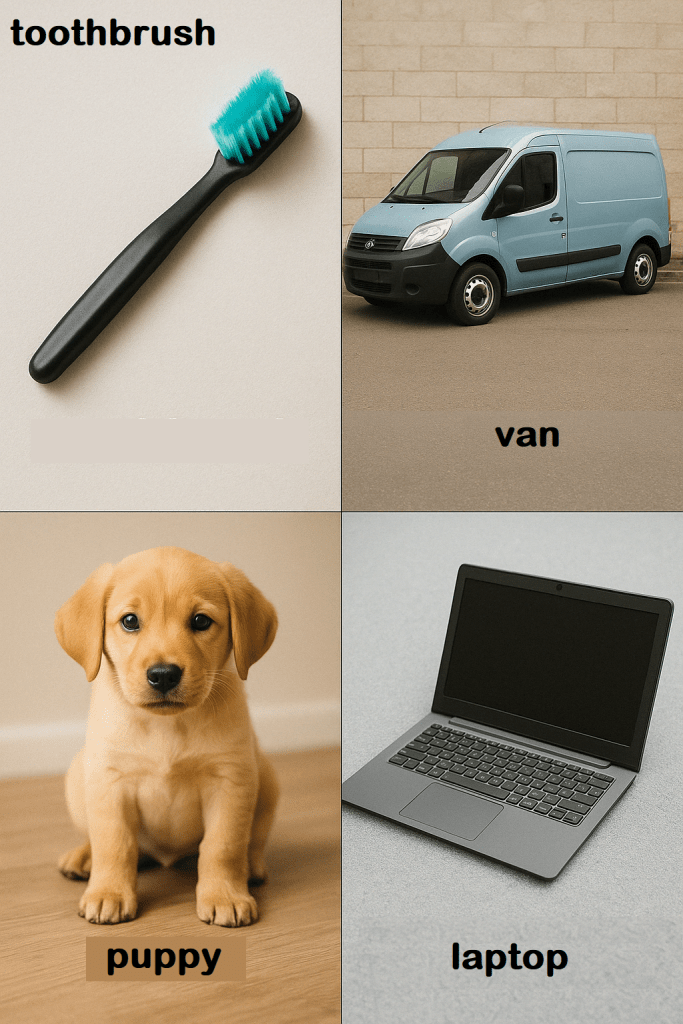
1. toothbrush /ˈtuθˌbrʌʃ/ 牙刷

答案

That is a toothbrush. (那是一支牙刷。) That is your toothbrush. (那是你的牙刷。) That toothbrush is yours. (那只牙刷是你的。)


2. van /væn/ 面包车

答案

That is a van. (那是一辆面包车。) That is your van. (那是你的面包车。) That van is yours. (那辆面包车是你的。)


3. puppy /ˈpʌpi/ 小狗

答案

That is a puppy. (那是一只小狗。) That is your puppy. (那是你的小狗。) That puppy is yours. (那只小狗是你的。)


4. laptop /ˈlæpˌtɑp/ 手提电脑

答案

That is a laptop. (那是一台手提电脑。) That is your laptop. (那是你的手提电脑。) That laptop is yours. (那台手提电脑是你的。)

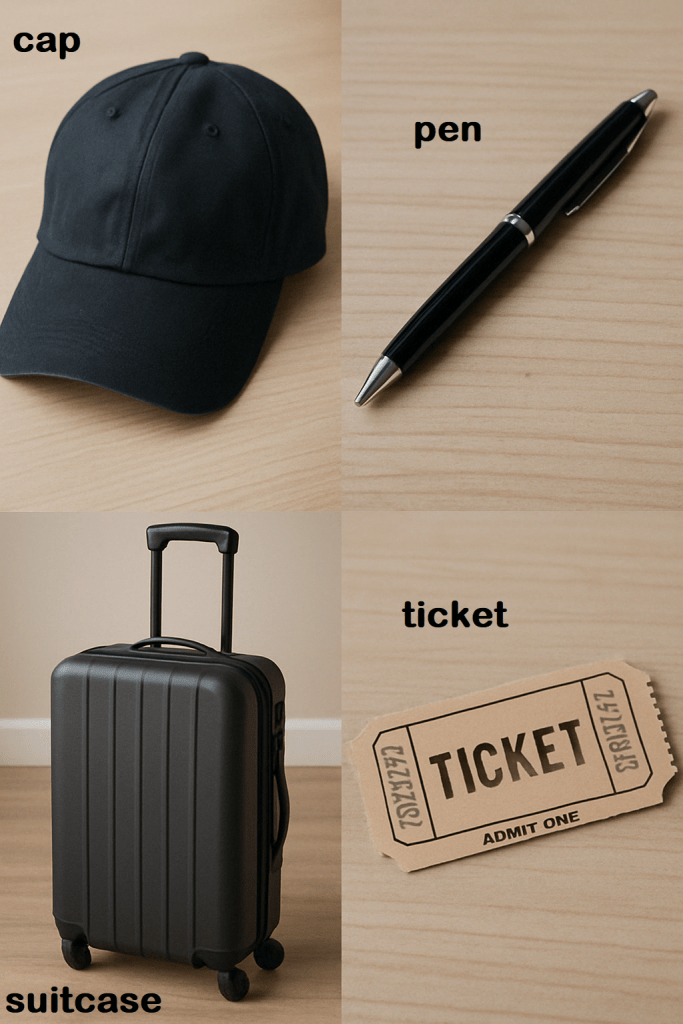
5. cap /kæp/ 帽子(有帽舌的,如棒球帽)

答案

That is a cap. (那是一顶帽子。) That is your cap. (那是你的帽子。) That cap is yours. (那顶帽子是你的。)


6. pen /pen/ 笔

答案

That is a pen. (那是一支笔。) That is your pen. (那是你的笔。) That pen is yours. (那支笔是你的。)


7. suitcase /ˈsutˌkeɪs/ 行李箱

答案

That is a suitcase. (那是一个行李箱。) That is your suitcase. (那是你的行李箱。) That suitcase is yours. (那个行李箱是你的。)


8. ticket /ˈtɪkɪt/ 票;车票;入场券

答案

That is a ticket. (那是一张票。) That is your ticket. (那是你的票。) That ticket is yours. (那张票是你的。)

一般过去时/肯定陈述句→肯定疑问句

一般过去时的肯定陈述句改为肯定疑问句

例① :She worked yesterday. (她昨天工作了。)
Did she work yesterday? (她昨天工作了吗?)

例②:They worked at a restaurant. (他们在一家餐厅工作过。)
Did they work at a restaurant? (他们在一家餐厅工作过吗?)

做练习前先把这些动词的过去时学会(原形动词 – 过去时动词):
工作:work – worked;
去:go – went;
买:buy – bought;
制作:make – made;
下雨:rain – rained;
来:come – came;
睡觉:sleep – slept;
暂住:stay – stayed

练习

1. He worked from home. (他在家工作。)

答案

Did he work from home? (他在家工作吗?)


2. You went to Thailand. (你去了泰国。)

答案

Did you go to Thailand? (你去了泰国吗?)


3. They bought a new car. (他们买了一辆新车。)

答案

Did they buy a new car? (他们买了一辆新车吗?)


4. She made a birthday cake. (她做了一个生日蛋糕。)

答案

Did she make a birthday cake? (她做了一个生日蛋糕吗?)


5. It rained last night. (昨晚下雨了。)

答案

Did it rain last night?(昨晚下雨了吗?)


6. He came home late. (他很晚才回家。)

答案

Did he come home late? (他很晚才回家吗?)


7. You slept well last night. (你昨晚睡得很好。)

答案

Did you sleep well last night? (你昨晚睡得好吗?)


8. They stayed at a hotel. (他们住在一家酒店里。)

答案

Did they stay at a hotel? (他们住在一家酒店里吗?)