At the Dentist’s 在牙科诊所

At the Dentist’s

A patient is visiting the dentist because of a toothache. The dentist checks the tooth and says a filling is needed.


Dentist: Hi there! What brings you in today?
Patient: Hi, I have a toothache. It’s been hurting for a few days.
Dentist: I see. Let’s take a look.
Patient: Okay.
Dentist: Hmm… you have a small cavity. We need to do a filling.
Patient: Oh, really? Will it hurt?
Dentist: Not much. I’ll numb the area first.
Patient: Alright. How long will it take?
Dentist: Just about 20 minutes.
Patient: Okay, let’s do it.
Dentist: Great. Just sit back and relax.

At the Dentist’s
/ət ðə ˈdɛn(t)ɪsts/
在牙医诊所

A patient is visiting the dentist because of a toothache. The dentist checks the tooth and says a filling is needed.
/ə ˈpeɪʃnt z ˈvɪzɪtɪŋ ðə ˈdɛn(t)ɪsts bəˈkəz əv ə ˈtuθˌeɪk | ðə ˈdɛn(t)ɪst ʧɛks ðə tuθ ən sɛz ə ˈfɪlɪŋ z ˈnidɪd/
一位病人因为牙痛来看牙医。牙医检查后说需要补牙。

Dentist: Hi there! What brings you in today?
/ˈhaɪ ðer | wʌt brɪŋz jə ɪn təˈdeɪ/
你好!你今天是因为什么来看牙的?

Patient: Hi, I have a toothache. It’s been hurting for a few days.
/haɪ | aɪ hæv ə ˈtuθˌeɪk | ɪts bɪn ˈhərɾɪŋ fər ə fju deɪz/
你好,我牙疼,已经疼了好几天了。

Dentist: I see. Let’s take a look.
/aɪ si | lɛts teɪk ə lʊk/
我看看。我们来检查一下。

Patient: Okay.
/oʊˈkeɪ/
好的。

Dentist: Hmm… you have a small cavity. We need to do a filling.
/hm… jə hæv ə smɔl ˈkævəɾi | wi nidə du ə ˈfɪlɪŋ/
嗯……你这有个小蛀牙,需要补一下。

Patient: Oh, really? Will it hurt?
/oʊ ˈrɪli | wɪl ɪt hərt/
啊,真的吗?会疼吗?

Dentist: Not much. I’ll numb the area first.
/nɑt mʌʧ | aɪl nʌm ði ˈɛriə fərst/
不太疼。我会先给你打麻药。

Patient: Alright. How long will it take?
/ɔlˈraɪt | haʊ lɔŋ wɪl ɪt teɪk/
好吧。需要多长时间?

Dentist: Just about 20 minutes.
/dʒəst əˈbaʊt ˈtwɛni ˈmɪnɪts/
大约二十分钟。

Patient: Okay, let’s do it.
/oʊˈkeɪ | lɛts du ɪt/
好,开始吧。

Dentist: Great. Just sit back and relax.
/ɡreɪt | dʒəst sɪt bæk ən r

Ordering Steak at a Restaurant 在餐馆点牛排

Ordering Steak at a Restaurant

A husband and his wife are dining at a restaurant. The husband is ordering a steak from the waiter.

Waiter: Hi folks! Are you ready to order?
Husband: Yeah, I think so. I’ll have the steak, please.
Waiter: Sure! How would you like it cooked?
Husband: Medium, please.
Waiter: Alright. Would you like fries or mashed potatoes with that?
Husband: Mashed potatoes, please.
Waiter: Got it. And for your drink?
Husband: Just water, thanks.
Waiter: No problem. I’ll put that in for you.
Husband: Great, thanks.
Waiter: You’re welcome! I’ll be back with your order soon.

Ordering Steak at a Restaurant
/ˈɔrdərɪŋ steɪk ət ə ˈrɛst(ə)ˌrɑnt/
在餐馆点牛排


A husband and his wife are dining at a restaurant. The husband is ordering a steak from the waiter.
/ə ˈhʌzbənd ən ɪz waɪf ər ˈdaɪnɪŋ ət ə ˈrɛst(ə)ˌrɑnt | ðə ˈhʌzbənd z ˈɔrdərɪŋ ə steɪk frəm ðə ˈweɪtər/
一对夫妻正在餐厅用餐,丈夫正在向服务员点一份牛排。


Waiter: Hi folks! Are you ready to order?
/haɪ foʊks | ər jə ˈrɛdi tə ˈɔrdər/
大家好!你们准备好点餐了吗?

Husband: Yeah, I think so. I’ll have the steak, please.
/jæ | aɪ θɪŋk soʊ | aɪl hæv ðə steɪk pliz/
嗯,我想好了。我要一份牛排,谢谢。

Waiter: Sure! How would you like it cooked?
/ʃʊr | haʊ wʊdʒəlaɪk ɪt kʊkt/
好的!你想要几分熟?

Husband: Medium, please.
/ˈmidiəm pliz/
五分熟,谢谢。

Waiter: Alright. Would you like fries or mashed potatoes with that?
/ɔlˈraɪt | wʊdʒə laɪk fraɪz ər mæʃt pəˈteɪɾoʊz wɪð ðæt/
好的。你想要薯条还是土豆泥配着吃?

Husband: Mashed potatoes, please.
/mæʃt pəˈteɪɾoʊz pliz/
土豆泥,谢谢。

Waiter: Got it. And for your drink?
/ˈɡɑɾ ɪt | ən fər jər drɪŋk/
好的。饮料要点什么?

Husband: Just water, thanks.
/dʒəst ˈwɑtər θæŋks/
只要水,谢谢。

Waiter: No problem. I’ll put that in for you.
/noʊ ˈprɑbləm | aɪl pʊt ðæt ɪn fər ju/
没问题,我帮你下单。

Husband: Great, thanks.
/ɡreɪt θæŋks/
太好了,谢谢。

Waiter: You’re welcome! I’ll be back with your order soon.
/jər ˈwɛlkəm | aɪl bi ˈbæk wɪð jər ˈɔrdər sun/
不客气!我很快就把你的餐送来。

How would you like it cooked?“:这是问牛排几分熟的自然说法。

Medium“:五分熟。常见回答还有 rare(三分)、medium rare(四分)、well done(全熟)。

Fries or mashed potatoes?“:常见配菜选择,服务员不会问得太长。

I’ll put that in for you.“:服务生常用表达,意思是“我帮你下单”。


Hi folks 是一种轻松友好的打招呼方式,可以翻译成:
大家好
各位好
你们好

其中,folks 是 “people”(人们)的口语形式,比 “Hi everyone” 更随意亲切。
“Hi folks.” 是美式英语中在非正式、多人数打招呼时常见的自然表达,尤其适用于餐厅、课堂或广播开场。但不太适合一对一对话或特别正式的场合。

Ordering at Starbucks 在星巴克点咖啡

Ordering at Starbucks

A customer is ordering coffee at a Starbucks counter.

Barista: Hi there! What can I get started for you?
Customer: Hi! Can I get a small latte?
Barista: Sure! Hot or iced?
Customer: Hot, please.
Barista: Alright. Would you like any flavor in that?
Customer: Um… vanilla, please.
Barista: Got it. Anything else today?
Customer: No, that’s it.
Barista: Alright, that’ll be $4.75.
Customer: Here you go. (hands over cash)
Barista: Thanks! You’re all set. It’ll be ready at the pickup counter.
Customer: Great, thanks.
Barista: No problem. Enjoy!

Ordering at Starbucks
/ˈɔrdərɪŋ ət ˈstɑrˌbʌks/
在星巴克点咖啡


A customer is ordering coffee at a Starbucks counter.
/ə ˈkʌstəmər z ˈɔrdərɪŋ ˈkɔfi ət ə ˈstɑrˌbʌks ˈkaʊntər/
一位顾客正在星巴克柜台点咖啡。

Barista /bəˈristə/ 咖啡师
Customer /ˈkʌstəmər/ 顾客


Barista: Hi there! What can I get started for you?
/ˈhaɪ ðer | wʌt kən aɪ ɡɛt ˈstɑrdɪd fər ju/
你好!我可以先帮你点什么?

Customer: Hi! Can I get a small latte?
/haɪ | kən aɪ ɡɛt ə smɔl ˈlɑteɪ/
你好!我可以要一杯小杯拿铁吗?

Barista: Sure! Hot or iced?
/ʃʊr | hɑt er aɪst/
好的!要热的还是冰的?

Customer: Hot, please.
/hɑt pliz/
热的,谢谢。

Barista: Alright. Would you like any flavor in that?
/ɔlˈraɪt | wʊdʒə laɪk ˈɛni ˈfleɪver ɪn ðæt/
好的。你要加点风味糖浆吗?

Customer: Um… vanilla, please.
/ʌm | vəˈnɪlə pliz/
呃……香草味的,谢谢。

Barista: Got it. Anything else today?
/ˈɡɑɾ ɪt | ˈɛnɪθɪŋ ɛls təˈdeɪ/
好的。今天还要别的吗?

Customer: No, that’s it.
/noʊ | ðæts ɪt/
不用了,就这些。

Barista: Alright, that’ll be $4.75.
/ɔlˈraɪt | ˈðæɾl bi ˈfɔr ˌsɛvənɪ ˈfaɪv/
好的,一共是四块七毛五。

Customer: Here you go.
/hɪr jə ɡoʊ/
给你。

hands over cash 递现金)

Barista: Thanks! You’re all set. It’ll be ready at the pickup counter.
/θæŋks | jer ɔl sɛt | ɪɾl bi ˈrɛdi ət ðə ˈpɪkˌʌp ˈkaʊnter/
谢谢!好了。你的饮料会在取餐台那边准备好。

Customer: Great, thanks.
/ɡreɪt θæŋks/
好的,谢谢。

Barista: No problem. Enjoy!
/noʊ ˈprɑbləm | ɪnˈdʒɔɪ/
不客气,慢用!

What can I get started for you?
是星巴克员工常用的开场语,比 “What do you want?” 礼貌自然。

Hot or iced?”
是口语里常见的简洁提问方式,不会说成 “Do you want it hot or iced?”

You’re all set.
表示“搞定了”,是快餐店和咖啡店常见用语。

Pickup counter
表示取饮料的那一边,不一定要说成 “collection area”。

Ordering at McDonald’s 在麦当劳点餐

Ordering at McDonald’s

A customer is ordering food at a McDonald’s counter.

Cashier: Hi there! Welcome to McDonald’s.
Customer: Hi!
Cashier: Eat here or to go?
Customer: To go, please.
Cashier: Alright. What can I get for you?
Customer: Uh… I’ll have a Big Mac combo.
Cashier: What size?
Customer: Medium.
Cashier: What drink?
Customer: A small Coke.
Cashier: Got it. Anything else?
Customer: Nope, that’s it.
Cashier: Alright, that’ll be $8.79.
Customer: Here you go. (hands over cash)
Cashier: Thanks! Your order number is 27. You can wait right over there.
Customer: Cool, thanks.
Cashier: No problem. Have a good one!

Ordering at McDonald’s
/ˈɔrdərɪŋ ət məkˈdɑnəldz/
在麦当劳点餐


A customer is ordering food at a McDonald’s counter.
/ə ˈkʌstəmər z ˈɔrdərɪŋ fud ət ə məkˈdɑnəldz ˈkaʊntər/
一位顾客正在麦当劳柜台点餐。


Cashier: Hi there! Welcome to McDonald’s.
/ˈhaɪ ðer | ˈwɛlkəm tə məkˈdɑnəldz/
你好!欢迎光临麦当劳。

Customer: Hi!
/haɪ/
你好!

Cashier: Eat here or to go?
/it hɪr | ər tə ɡoʊ/
在这吃还是外带?

Customer: To go, please.
/tə ɡoʊ pliz/
外带,谢谢。

Cashier: Alright. What can I get for you?
/ɔlˈraɪt | wʌt kən aɪ ɡɛt fər ju/
好的,请问您要点什么?

Customer: Uh… I’ll have a Big Mac combo.
/ʌ… aɪl hæv ə bɪɡ mæk ˈkɑmˌboʊ/
呃……我要一个巨无霸套餐。

Cashier: What size?
/wʌt saɪz/
要什么大小的?

Customer: Medium.
/ˈmidiəm/
中号的。

Cashier: What drink?
/wʌt drɪŋk/
要什么饮料?

Customer: A small Coke.
/ə smɔl koʊk/
一杯小可乐。

Cashier: Got it. Anything else?
/ˈɡɑɾ ɪt | ˈɛnɪθɪŋ ɛls/
好的。还要别的吗?

Customer: Nope, that’s it.
/noʊp | ðæts ɪt/
不,就这些。

Cashier: Alright, that’ll be $8.79.
/ɔlˈraɪt | ˈðæɾl bi eɪt ˌsɛvənˈnaɪn/
好的,一共是八块七毛九。

Customer: Here you go.
/hɪr jə ɡoʊ/
给你。

Cashier: Thanks! Your order number is 27. You can wait right over there.
/θæŋks | jər ˈɔrdər ˈnʌmbər ɪz ˌtwɛniˈsɛvən | jə kən weɪt raɪt ˈoʊvər ðer/
谢谢!你的订单号是27号,你可以在那边等一下。

Customer: Cool, thanks.
/kul | θæŋks/
好的,谢谢。

Cashier: No problem. Have a good one!
/noʊ ˈprɑbləm | ˌhæv ə ˈɡʊd wʌn/
不客气,祝你愉快!

“Have a good one”非常常用的美式英语口语表达,地道又友好,尤其适合非正式、轻松的场合。


✅ 一、“Have a good one” 相当于:
“Have a good day.”
“祝你过得愉快。”
“走好,保重。”
但更随意口语化,更像朋友之间或服务场所中常说的道别语。


✅ 二、通常用于说再见时的祝福语,尤其在以下场景中非常常见:

场景举例
商店或快餐店买完东西离开时Cashier: “Have a good one!”
办公室告别下班时“Alright, I’m heading out. Have a good one!”
和朋友短暂道别时“Catch you later. Have a good one!”
快递员或外卖员送完东西走时“Thanks for the delivery! Have a good one!”

✅ 三、“Have a good one” 里的 “one” 实际是泛指的,“day” 或 “time”,具体不明确,就是一句随意的“祝你今天愉快”。


✅ 四、可以替换成什么?

表达使用语气
Have a good day!稍正式
Have a great one!更开心更热情
Take care!关心、安全感
Later!朋友间再见口语
Enjoy your day!礼貌中带温暖

✅ 总结:用“Have a good one”是个好习惯!它让你的英语听起来:
• 更自然
• 更地道
• 更有亲和力

如果你在快餐店、便利店、咖啡馆离开时说一句“Thanks, have a good one!”,对方通常会笑着说 “You too!”,非常友好😊

After Dinner at a Restaurant 在餐馆用餐后

After Dinner at a Restaurant

Scene:
A female tourist finishes her meal and talks to the waiter.


Customer: Excuse me, can I get the check?
Waiter: Of course! I’ll bring it right over.
(服务员拿来账单)
Waiter: Here you go. Take your time.
Customer: Thanks. Umm… do I need to leave a tip?
Waiter: Yes, most people leave a tip. Usually around 15 to 20 percent.
Customer: Oh, I see. Thank you for letting me know.
Waiter: No problem! Let me know if you need anything else.
Customer: No, that’s all. The food was great!
Waiter: I’m glad you liked it. Have a great night!
Customer: You too!

After Dinner at a Restaurant
/ˈæftər ˈdɪnər æt ə ˈrɛst(ə)ˌrɑnt/
在餐馆用餐后


Customer:
Excuse me, can I get the check?
/ɪkˈskjuz mi | kən aɪ ɡɛt ðə ʧɛk/
不好意思,我可以买单吗?


Waiter:
Of course! I’ll bring it right over.
/əv ˈkɔrs | aɪl brɪŋ ɪt raɪt ˈoʊvər/
当然!我马上给您拿过来。


(服务员拿来账单)

Waiter:
Here you go. Take your time.
/hɪr jə ɡoʊ | teɪk jər taɪm/
这是您的账单。请慢慢来。


Customer:
Thanks. Umm… do I need to leave a tip?
/θæŋks | ʌm | də aɪ nid tə liv ə tɪp/
谢谢。嗯……我需要付小费吗?


Waiter:
Yes, most people leave a tip.
/jɛs | moʊst ˈpipəl liv ə tɪp/
是的,大多数人都会给小费。

Usually around 15 to 20 percent.
/ˈjuʒuəli əˈraʊnd fɪfˈtin tə ˈtwɛni pərˈsɛnt/
通常是15%到20%左右。


Customer:
Oh, I see. Thank you for letting me know.
/oʊ | aɪ si | ˈθæŋk ju fər ˈlɛɾɪŋ mi noʊ/
哦,我明白了。谢谢你告诉我。


Waiter:
No problem! Let me know if you need anything else.
/noʊ ˈprɑbləm | lɛt mi noʊ ɪf jə nid ˈɛnɪˌθɪŋ ɛls/
没问题!如果还需要什么就告诉我。


Customer:
No, that’s all. The food was great!
/noʊ | ðæts ɔl | ðə fud wəz ɡreɪt/
不用了,就这些。饭菜很好吃!


Waiter:
I’m glad you liked it. Have a great night!
/aɪm ɡlæd jə laɪkt ɪt | hæv ə ɡreɪt naɪt/
很高兴您喜欢。祝您晚上愉快!


Customer:
You too!
/ju tu/
你也是!

Ordering at a Restaurant 在餐馆点餐

Ordering at a Restaurant

Scene:
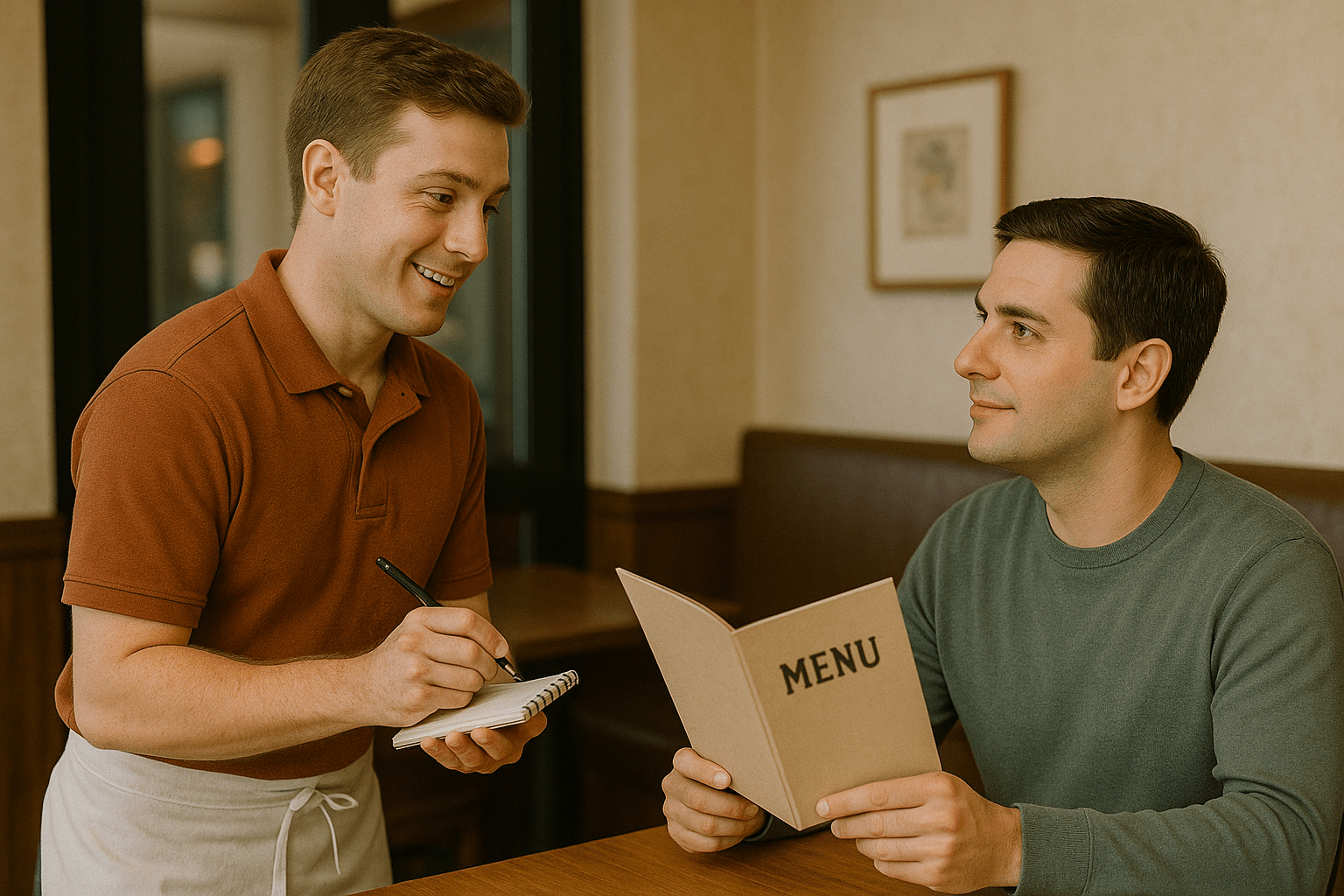
A customer walks into a casual American diner. A waiter greets him and takes his order.

Waiter: Hi there! Welcome to Sunny Diner. Just one today?
Customer: Yes, just me.
Waiter: Great! Follow me. Here’s your seat. Would you like a menu?
Customer: Yes, please. Thank you.
Waiter: Here you go. I’ll give you a minute to look it over.
Customer: Thanks. (after a moment) I’m ready to order.
Waiter: Awesome. What can I get you?
Customer: Can I get a cheeseburger and fries?
Waiter: Sure! Would you like anything to drink?
Customer: Just water, please.
Waiter: Got it — one cheeseburger with fries, and a water. It’ll be out shortly.
Customer: Thanks!
Waiter: You got it. Enjoy your meal!

Ordering at a Restaurant
/ˈɔrdərɪŋ æt ə ˈrɛst(ə)ˌrɑnt/
在餐馆点餐

Scene:
/sin/
场景:
A customer walks into a casual American diner. A waiter greets him and takes his order.
/ə ˈkʌstəmər wɔks ˈɪntu ə ˈkæʒuəl əˈmɛrɪkən ˈdaɪnər | ə ˈweɪtər ɡrits ɪm ən teɪks ɪz ˈɔrdər/
一位顾客走进一家美式休闲餐厅。服务员向他们打招呼并为他们点餐。

Waiter:
Hi there! Welcome to Sunny Diner. Just one today?
/ˈhaɪ ðɛr/ | ˈwɛlkəm tə ˈsʌni ˈdaɪnər/
嗨,欢迎光临阳光餐厅!
Just one today?
/dʒəs wʌn təˈdeɪ/
今天就您一位吗?


Customer:
Yes, just me.
/jɛs | dʒəs mi/
是的,就我一个。


Waiter:
Great! Follow me. Here’s your seat.
/ɡreɪt | ˈfɑloʊ mi | hɪrz jər sit/
太好了!请跟我来。这是您的座位。

Would you like a menu?
/wʊdʒə laɪk ə ˈmɛnju/
您要菜单吗?


Customer:
Yes, please. Thank you.
/jɛs pliz | ˈθæŋk ju/
好的,谢谢你。


Waiter:
Here you go. I’ll give you a minute to look it over.
/hɪr jə ɡoʊ | aɪl ɡɪv jə ə ˈmɪnɪt tə lʊk ɪt ˈoʊvər/
这是菜单。我给您一点时间看看。


Customer:
Thanks. I’m ready to order.
/θæŋks | aɪm ˈrɛdi tə ˈɔrdər/
谢谢。我准备点餐了。


Waiter:
Awesome. What can I get you?
/ˈɔsəm | wət kən aɪ ɡɛt ʧu/
太棒了,我可以为您点些什么?


Customer:
Can I get a cheeseburger and fries?
/kən aɪ ɡɛt ə ˈʧizˌbərɡər ən fraɪz/
我可以要一份起司汉堡和薯条吗?


Waiter:
Sure! Would you like anything to drink?
/ʃʊr | wʊdʒə laɪk ˈɛnɪˌθɪŋ tə drɪŋk/
当然!您想喝点什么吗?


Customer:
Just water, please.
/dʒəs ˈwɑtər pliz/
就水就可以,谢谢。


Waiter:
Got it — one cheeseburger with fries, and a water. It’ll be out shortly.
/ˈɡɑt ɪt | wʌn ˈʧizˌbərɡər wɪð fraɪz | ən ə ˈwɑtər | ˈɪɾl bi aʊt ˈʃɔrtli/
好的——一份起司汉堡加薯条,还有一杯水。马上就上来。


Customer:
Thanks!
/θæŋks/
谢谢!


Waiter:
You got it. Enjoy your meal!
/ju ˈɡɑt ɪt | ɪnˈʤɔɪ jər ˈmil/
好的,祝您用餐愉快!

Flight Delay 航班延误

Flight Delay

Scene Introduction
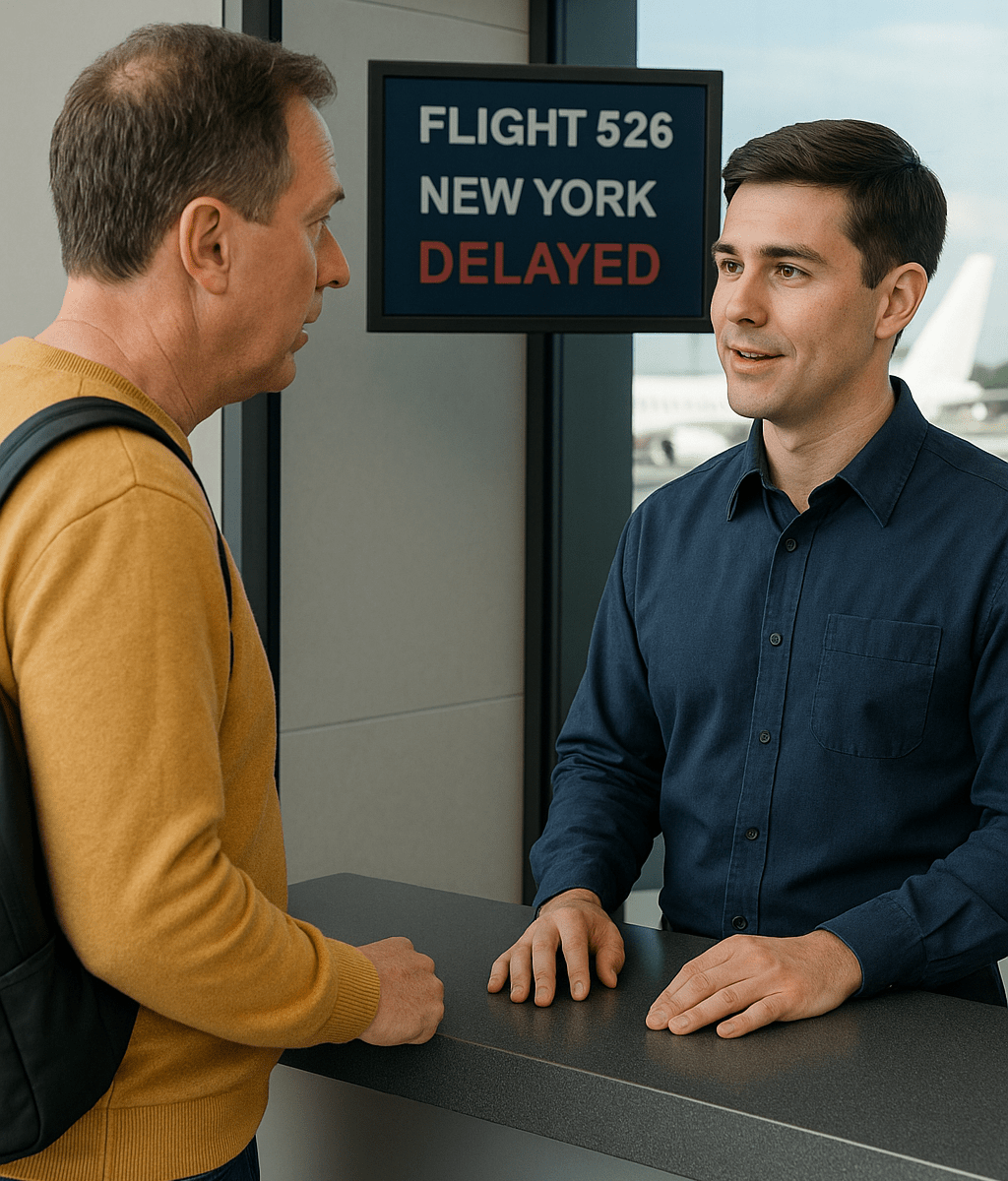
You are at the airport, waiting for your flight to New York. You look at the screen and see that your flight is delayed. You walk up to an airport staff member to ask what happened. The staff explains the reason for the delay and gives you the new gate number.

Passenger: Excuse me, is Flight 526 to New York on time?
Staff: Let me check… I’m sorry, your flight is delayed.
Passenger: Oh no. How long is the delay?
Staff: About two hours.
Passenger: Do you know why it’s delayed?
Staff: Yes, it’s because of bad weather in New York.
Passenger: I see. Is it still the same gate?
Staff: No, the new gate is B14.
Passenger: Thank you. Do I need to check in again?
Staff: No, you don’t. Just go to the new gate.
Passenger: Got it. Thanks for your help.
Staff: You’re welcome. Have a safe flight!

Flight Delay /flaɪt dɪˈleɪ/ 航班延误

Scene Introduction
You are at the airport, waiting for your flight to New York.
/ju ɑr ət ði ˈɛrˌpɔrt ˈweɪtɪŋ fər jʊr flaɪt tə nu ˈjɔrk/
You look at the screen and see that your flight is delayed.
/ju lʊk ət ðə skrin ən si ðæt jʊr flaɪt ɪz dɪˈleɪd/
You walk up to an airport staff member to ask what happened.
/ju wɔk ʌp tə ən ˈɛrˌpɔrt stæf ˈmɛmbər tə æsk wət ˈhæpənd/
The staff explains the reason for the delay and gives you the new gate number.
/ðə stæf ɪkˈspleɪnz ðə ˈrizən fər ðə dɪˈleɪ ən ɡɪvz ju ðə nu ɡeɪt ˈnʌmbər/
你在机场,正在等飞往纽约的航班。你看到屏幕上显示航班延误了。于是你走向一位机场工作人员询问情况。工作人员解释了延误的原因,并告诉你新的登机口号码。

Passenger:
Excuse me, is Flight 526 to New York on time?
/ɪkˈskjuz mi | ɪz flaɪt ˌfaɪv tu ˈsɪks tə nu ˈjɔrk ɔn taɪm/
不好意思,请问飞往纽约的526航班准时吗?


Staff:
Let me check… I’m sorry, your flight is delayed.
/lɛt mi ʧɛk | aɪm ˈsɔri | jər flaɪt ɪz dɪˈleɪd/
我查一下……很抱歉,您的航班延误了。


Passenger:
Oh no. How long is the delay?
/oʊ noʊ | haʊ lɔŋ ɪz ðə dɪˈleɪ/
哦不。要延误多久?


Staff:
About two hours.
/əˈbaʊt tu ˈaʊərz/
大约两个小时。


Passenger:
Do you know why it’s delayed?
/də jə noʊ waɪ ɪts dɪˈleɪd/
您知道为什么延误吗?


Staff:
Yes, it’s because of bad weather in New York.
/jɛs | ɪts bɪˈkəz əv bæd ˈwɛðər ɪn nu ˈjɔrk/
是的,是因为纽约天气不好。


Passenger:
I see. Is it still the same gate?
/aɪ si | ɪz ɪt stɪl ðə seɪm ɡeɪt/
我明白了。还是同一个登机口吗?


Staff:
No, the new gate is B14.
/noʊ | ðə nu ɡeɪt ɪz bi fɔrˈtin/
不是,新的登机口是 B14。


Passenger:
Thank you. Do I need to check in again?
/θæŋk ju | də aɪ nid tə ʧɛk ɪn əˈɡɛn/
谢谢。我需要重新办理登机手续吗?


Staff:
No, you don’t. Just go to the new gate.
/noʊ | jə doʊnt | ʤəst ɡoʊ tə ðə nu ɡeɪt/
不需要。您直接去新的登机口就可以了。


Passenger:
Got it. Thanks for your help.
/ɡɑt ɪt | θæŋks fər jər hɛlp/
明白了。谢谢您的帮助。


Staff:
You’re welcome. Have a safe flight!
/jər ˈwɛlkəm | hæv ə seɪf flaɪt/
不客气。祝您旅途平安!

The Sick Child 生病的孩子

The Sick Child

Scene:
A father is talking with the nanny about his son James, who isn’t feeling well today. They discuss his symptoms and what to do next.

Dad: How’s James today?
Nanny: He isn’t feeling well.
Dad: Oh no. What’s wrong?
Nanny: He has a slight fever.
Dad: Did you give him any medicine?
Nanny: No, not yet. I wanted to ask you first.
Dad: Okay. Let’s give him something when he wakes up.
Nanny: Alright.
Dad: If the fever doesn’t go down, take him to the clinic.
Nanny: Okay, I will.
Dad: Let me know if anything changes.
Nanny: Sure, sir.

The Sick Child

/ðə sɪk tʃaɪld/
生病的孩子

Scene Introduction
/sin ˌɪntrəˈdʌkʃən/
场景简介

A father is talking with the nanny about his son James, who isn’t feeling well today. They discuss his symptoms and what to do next.
/ə ˈfɑðər ɪz ˈtɔkɪŋ wɪð ðə ˈnæni əˈbaʊt hɪz sʌn ˈdʒeɪmz | hu ˈɪznt ˈfilɪŋ wɛl təˈdeɪ | ðeɪ dɪˈskʌs hɪz ˈsɪmptəmz ənd wʌt tə du nɛkst/

一位父亲正在和保姆谈论他今天身体不适的儿子 James。他们一起讨论症状以及接下来该怎么办。


Dad:
How’s James today?
/haʊz dʒeɪmz təˈdeɪ/
James 今天怎么样?


Nanny:
He isn’t feeling well.
/hi ˈɪznt ˈfilɪŋ wɛl/
他不太舒服。


Dad:
Oh no. What’s wrong?
/oʊ noʊ | wʌts rɔŋ/
哦,不。怎么了?


Nanny:
He has a slight fever.
/hi hæz ə slaɪt ˈfivər/
他有点发烧。


Dad:
Did you give him any medicine?
/dɪdʒə ɡɪv ɪm ˈɛni ˈmɛdəsn/
你给他吃药了吗?


Nanny:
No, not yet. I wanted to ask you first.
/noʊ | nɑt jɛt | aɪ ˈwɑnɪd tə æsk jə fərst/
没有,还没。我想先问你一下。


Dad:
Okay. Let’s give him something when he wakes up.
/oʊˈkeɪ | lɛts ɡɪv ɪm ˈsʌmθɪŋ wɛn hi weɪks ʌp/
好的,他醒了之后给他吃点药。


Nanny:
Alright.
/ɔlˈraɪt/
好的。


Dad:
If the fever doesn’t go down, take him to the clinic.
/ɪf ðə ˈfivər ˈdʌznt ɡoʊ daʊn | teɪk ɪm tə ðə ˈklɪnɪk/
如果烧不退,就带他去诊所。


Nanny:
Okay, I will.
/oʊˈkeɪ | aɪ wɪl/
好的,我会的。


Dad:
Let me know if anything changes.
/lɛt mi noʊ ɪf ˈɛniθɪŋ ˈtʃeɪndʒəz/
有任何变化告诉我。


Nanny:
Sure, sir.
/ʃʊr sər/
好的,先生。

wanted 的发音

正常标准发音(美式):
wanted → /ˈwɑntɪd/ 或 /ˈwɑnɪd/
第二个音节的 /t/ 常被省略弱化为闪音(flap /d/)

常见口语发音:
1. /ˈwɑnɪd/(最常听到)
t 被弱化,听起来像 “wan-id”
2. /ˈwɑnəd/(轻化,非正式)
→ 末尾变成模糊的 /ə/ 音

举例句:
I wanted to ask you first.
→ /aɪ ˈwɑnɪd tə æsk jə fərst/
→ 听起来像 “wan-id tə ask you first”


did you 的发音:

日常口语中最常说的是 /dɪdʒə/
完整 /dɪd ju/ 发音通常用于强调正式场合
属于美式口语中最自然的连读之一。

举例句(音标):

Did you call her?
/dɪdʒə kɔl ər/
你打电话给她了吗?

Did you eat yet?
/dɪdʒə it jɛt/
你吃了吗?

Did you see him?
/dɪdʒə si hɪm/
你看到他了吗?

At the Check-in Counter 在值机柜台

At the Check-in Counter

Scene Introduction
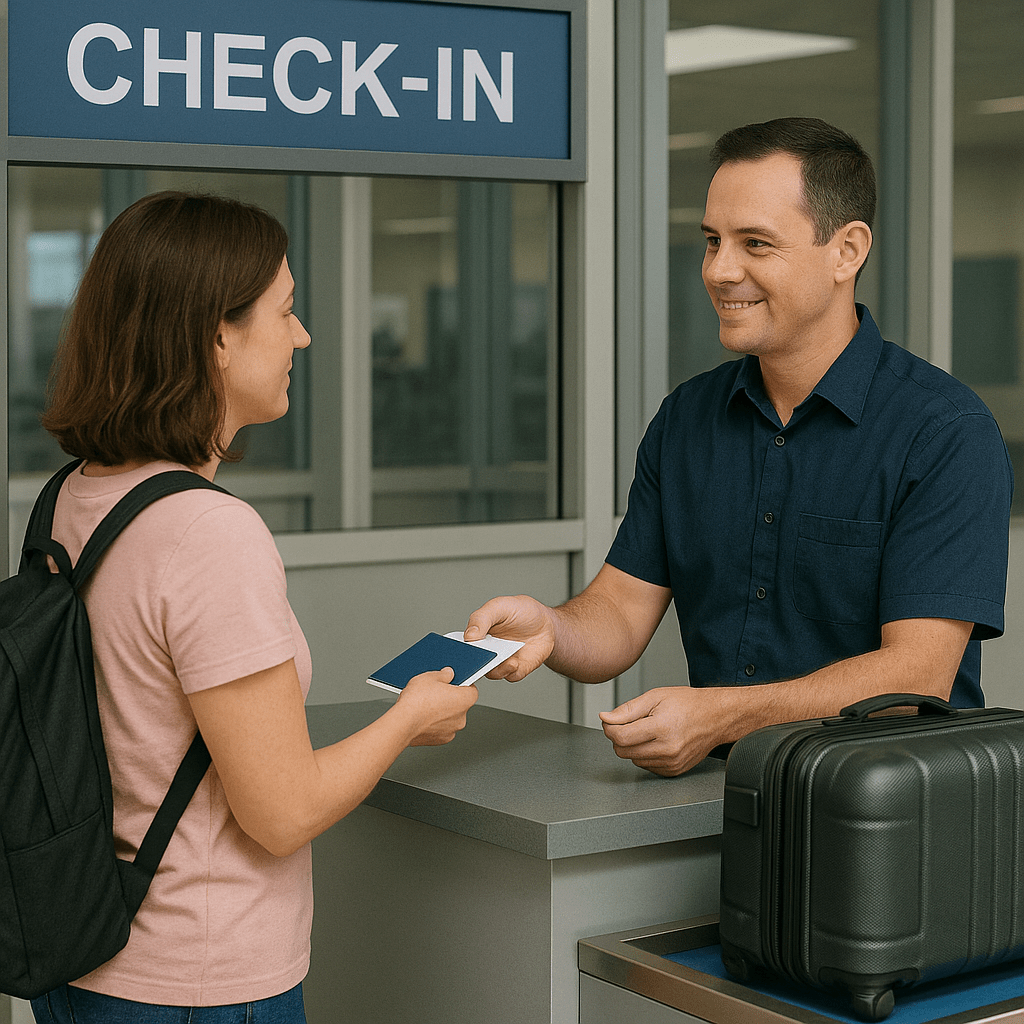
A woman is checking in at the airport counter in Melbourne. She talks to the airline staff to get her boarding pass and drop off her bag.

Passenger: Hi, I’d like to check in, please.
Airline Staff: Sure. Can I see your passport and ticket?
Passenger: Here you go.
Airline Staff: Thank you. Where are you flying today?
Passenger: To Los Angeles.
Airline Staff: Do you have any bags to check in?
Passenger: Yes, just one bag.
Airline Staff: Please put it on the scale.
Passenger: Okay.
Airline Staff: Here’s your boarding pass. Your gate is 12A.
Passenger: Thanks!
Airline Staff: Have a nice flight!
Passenger: Thank you.

At the Check-in Counter
/æt ðə ˈtʃɛk ɪn ˈkaʊntər/
在值机柜台


Scene Introduction
/siːn ˌɪntrəˈdʌkʃən/
场景简介

A woman is checking in at the airport counter in Melbourne. She talks to the airline staff to get her boarding pass and drop off her bag.
一位女游客在墨尔本机场的柜台办理登机手续,和航空公司工作人员交谈以领取登机牌并托运行李。


👩 Passenger /ˈpæsəndʒər/ 乘客
Hi, I’d like to check in, please.
/haɪ | aɪd laɪk tə ˈtʃɛk ɪn pliz/
你好,我想办理值机手续。


🧑‍💼 Airline Staff /ˈɛrlaɪn stæf/ 航空公司工作人员
Sure. Can I see your passport and ticket?
/ʃʊr | kə naɪ si jər ˈpæspɔrt ən ˈtɪkɪt/
好的,我可以看看您的护照和机票吗?


👩
Here you go.
/hɪr jə ɡoʊ/
给您。


🧑‍💼
Thank you. Where are you flying today?
/ˈθæŋk ju | wɛr ər jə ˈflaɪɪŋ təˈdeɪ/
谢谢。您今天飞往哪里?


👩
To Los Angeles.
/tə lɑs ˈændʒələs/
飞往洛杉矶。


🧑‍💼
Do you have any bags to check in?
/də jə hæv ˈɛni bæɡz tə ˈtʃɛk ɪn/
您有行李要托运吗?


👩
Yes, just one bag.
/jɛs | dʒəst wʌn bæɡ/
有的,就一个。


🧑‍💼
Please put it on the scale.
/pliz pʊt ɪt ɔn ðə skeɪl/
请把它放在秤上。


👩
Okay.
/ˌoʊˈkeɪ/
好的。


🧑‍💼
Here’s your boarding pass. Your gate is 12A.
/hɪrz jər ˈbɔrdɪŋ pæs | jər ɡeɪt ɪz twɛlv eɪ/
这是您的登机牌,登机口是12A。


👩
Thanks!
/θæŋks/
谢谢!


🧑‍💼
Have a nice flight!
/hæv ə naɪs flaɪt/
祝您旅途愉快!


👩
Thank you.
/ˈθæŋk ju/
谢谢您!

At the Airport Customs 在机场海关

对话

At the Airport Customs

Scene Introduction:

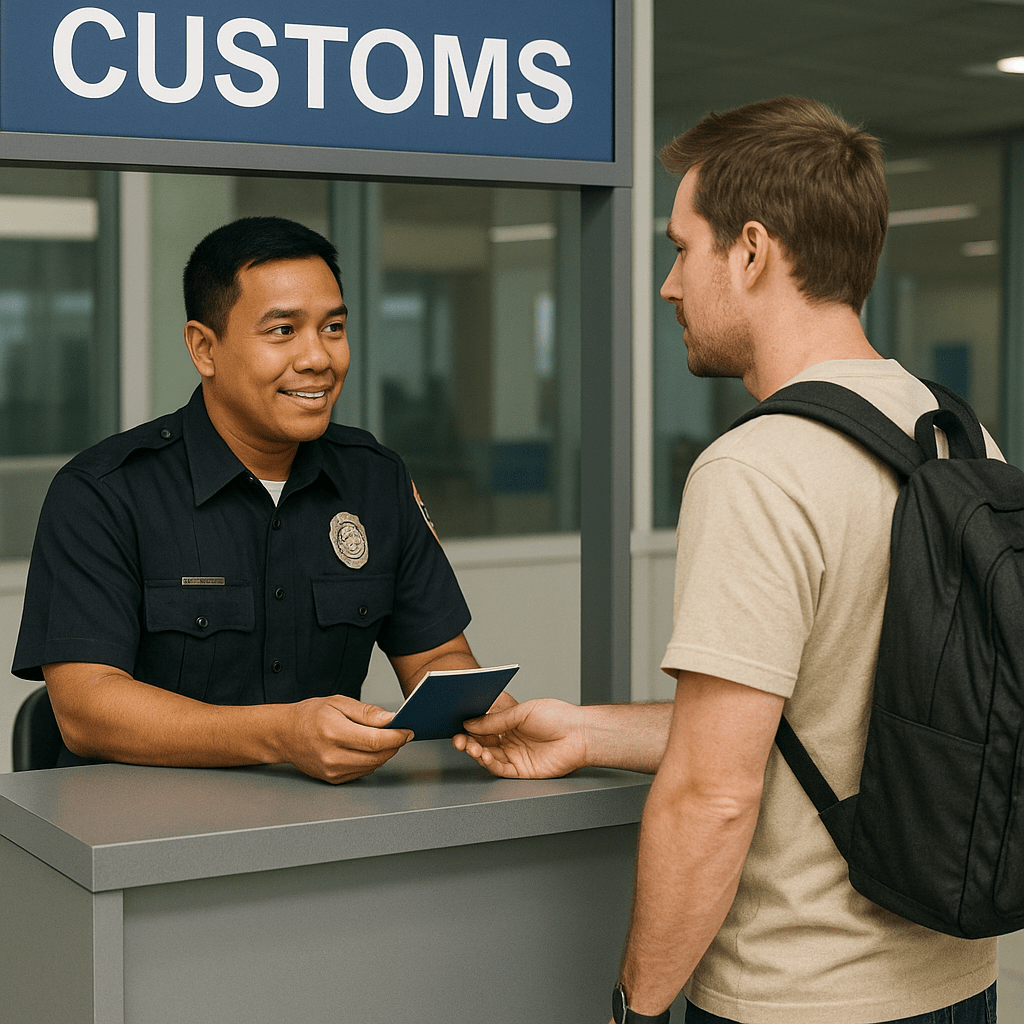
A tourist arrives in Manila and speaks with the customs officer at the airport. The officer asks routine questions about their stay in the Philippines.

Customs Officer: Good evening. May I see your passport?
Tourist: Sure. Here you go.
Customs Officer: What is the purpose of your visit to Manila?
Tourist: I’m here for vacation.
Customs Officer: How long will you stay in the Philippines?
Tourist: I’ll stay for seven days.
Customs Officer: Where will you be staying?
Tourist: At a hotel in Makati.
Customs Officer: Do you have a return ticket?
Tourist: Yes, I do.
Customs Officer: Are you bringing any food or plants with you?
Tourist: No, I didn’t bring any.
Customs Officer: Alright. Enjoy your stay in Manila.
Tourist: Thank you!

At the Airport Customs
/æt ði ˈɛrˌpɔrt ˈkʌstəmz/
在机场海关

Scene Introduction
/sin ˌɪntrəˈdʌkʃən/
场景简介

A tourist arrives in Manila and speaks with the customs officer at the airport.
/ə ˈtʊrɪst əˈraɪvz ɪn məˈnɪlə ənd spiks wɪð ðə ˈkʌstəmz ˈɔfəsər æt ði ˈɛrˌpɔrt/
一位游客抵达马尼拉,在机场与海关人员交谈。
The officer asks routine questions about his stay in the Philippines.
/ði ˈɔfəsər æsks ruˈtin ˈkwɛstʃənz əˈbaʊt ɪz steɪ ɪn ðə ˈfɪləˌpinz/
海关人员询问一些关于他们在菲律宾逗留的常规问题。

👮‍♂️ Customs Officer /ˈkʌstəmz ˈɔfəsər/ 海关人员
Good evening. May I see your passport?
/ɡʊd ˈivnɪŋ | meɪ aɪ si jər ˈpæspɔrt/
晚上好。我可以看看您的护照吗?


🧳 Tourist /ˈtʊrɪst/ 游客
Sure. Here you go.
/ʃʊr | hɪr jə ɡoʊ/
当然可以,给您。


👮‍♂️
What is the purpose of your visit to Manila?
/wʌt əz ðə ˈpərpəs əv jər ˈvɪzɪt tə məˈnɪlə/
您来马尼拉的目的是什么?


🧳
I’m here for vacation.
/aɪm hɪr fər veɪˈkeɪʃən/
我是来度假的。


👮‍♂️
How long will you stay in the Philippines?
/haʊ lɔŋ wəl ju steɪ ɪn ðə ˈfɪləˌpinz/
您打算在菲律宾待多久?


🧳
I’ll stay for seven days.
/aɪl steɪ fər ˈsevən deɪz/
我会待七天。


👮‍♂️
Where will you be staying?
/wɛr wəl ju bi ˈsteɪɪŋ/
您会住在哪里?


🧳
At a hotel in Makati.
/ət ə hoʊˈtɛl ɪn məˈkɑti/
在马卡蒂的一家酒店。


👮‍♂️
Do you have a return ticket?
/du ju hæv ə rɪˈtərn ˈtɪkɪt/
您有返程机票吗?


🧳
Yes, I do.
/jɛs aɪ du/
有的。


👮‍♂️
Are you bringing any food or plants with you?
/ər jə ˈbrɪŋɪŋ ˈɛni fud ər plænts wɪð ju/
您带了食物或植物吗?


🧳
No, I didn’t bring any.
/noʊ aɪ ˈdɪdn̩t brɪŋ ˈɛni/
没有,我没带。


👮‍♂️
Alright. Enjoy your stay in Manila.
/ɔlˈraɪt | ɪnˈdʒɔɪ jər steɪ ɪn məˈnɪlə/
好的,祝您在马尼拉玩得愉快。


🧳
Thank you!
/θæŋk ju/
谢谢!